On the second day we went to the Jurassic Coast to see Lulworth Bay and Durdle Door.
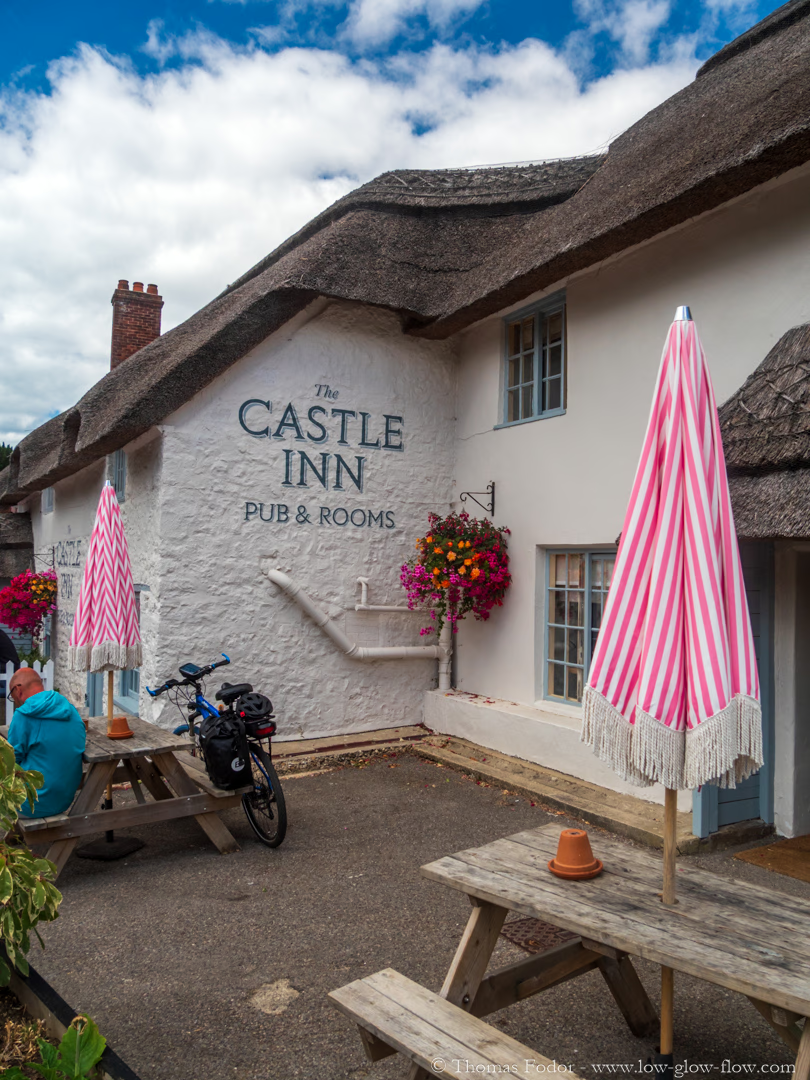
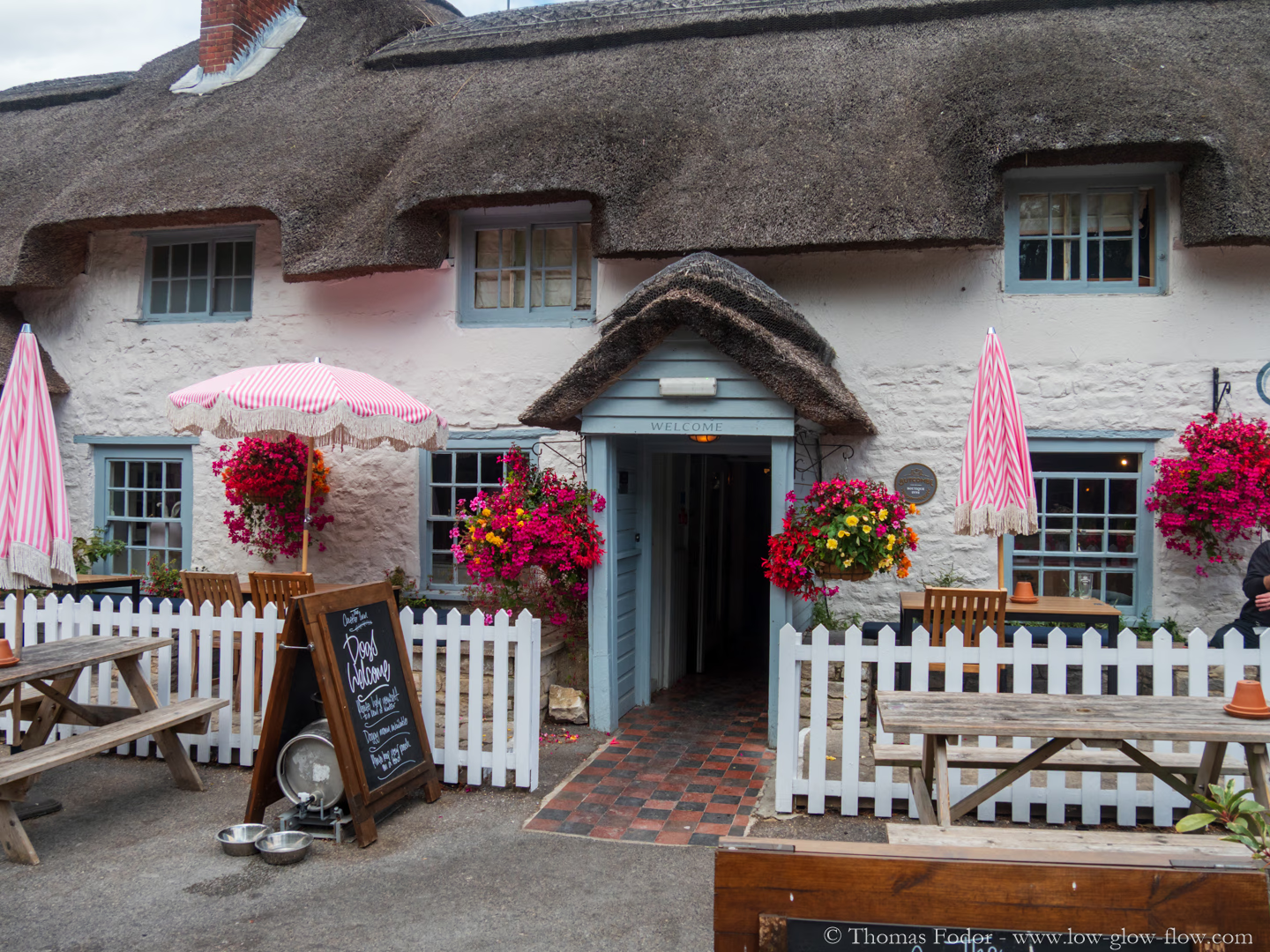
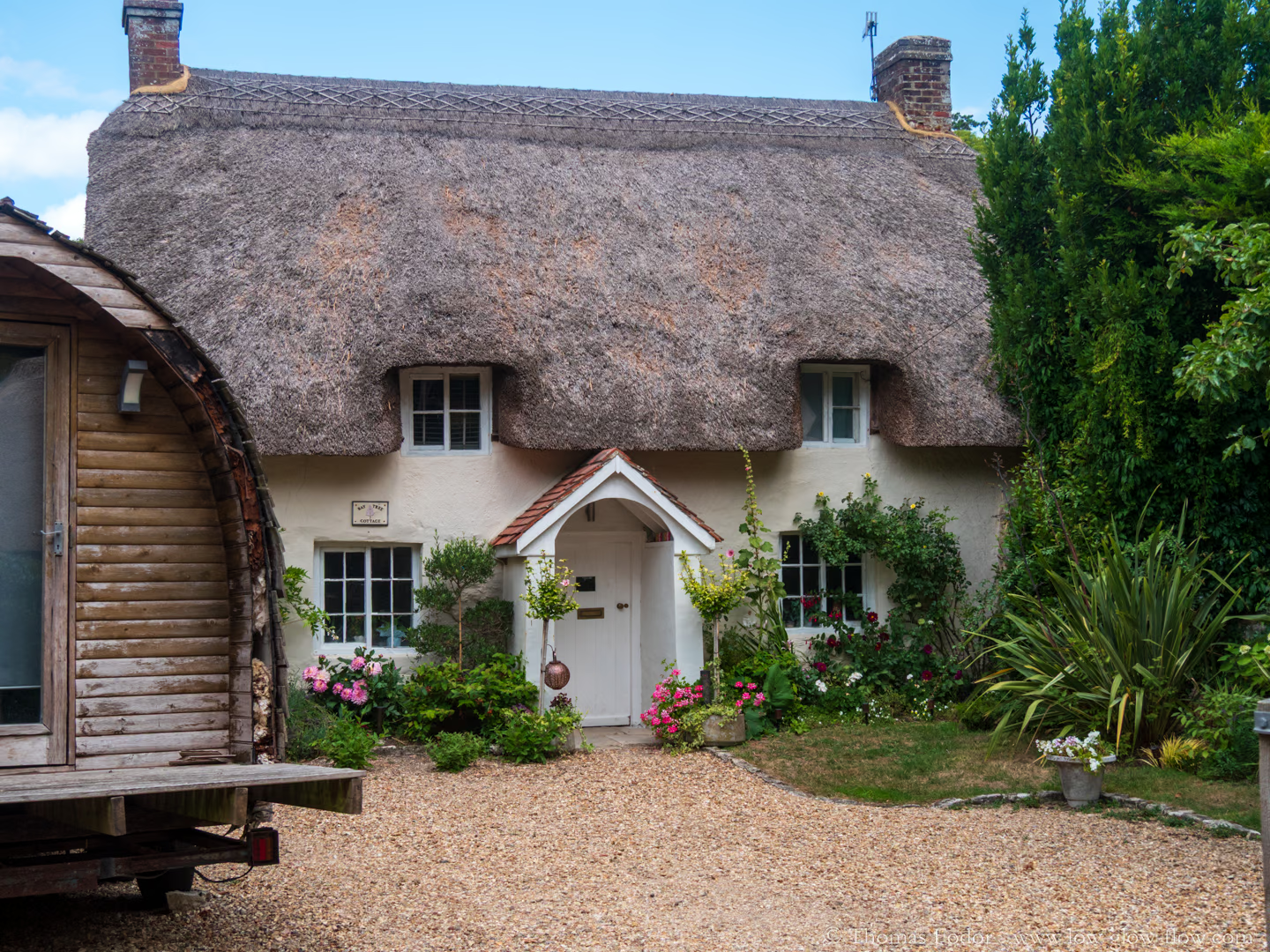
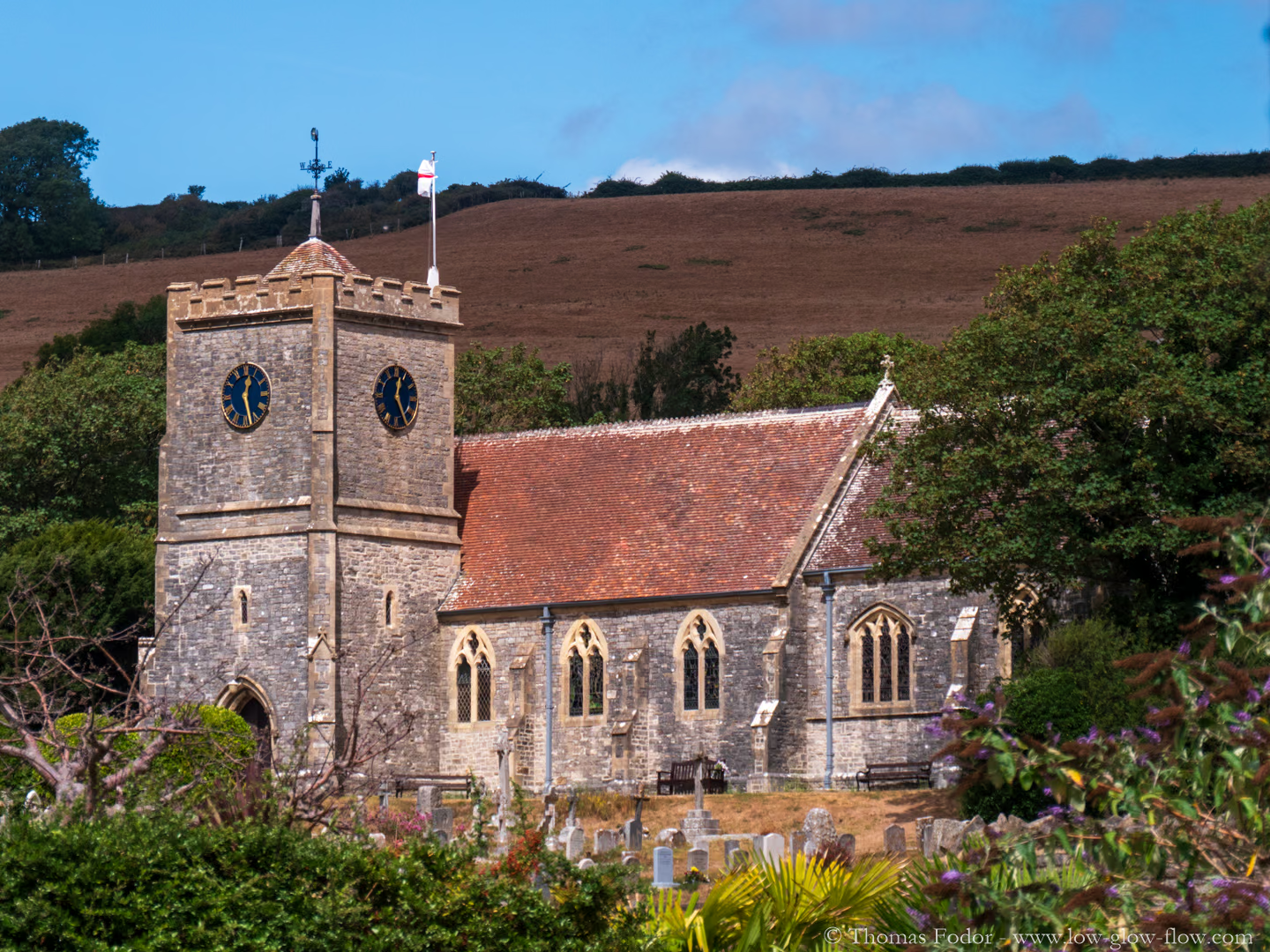
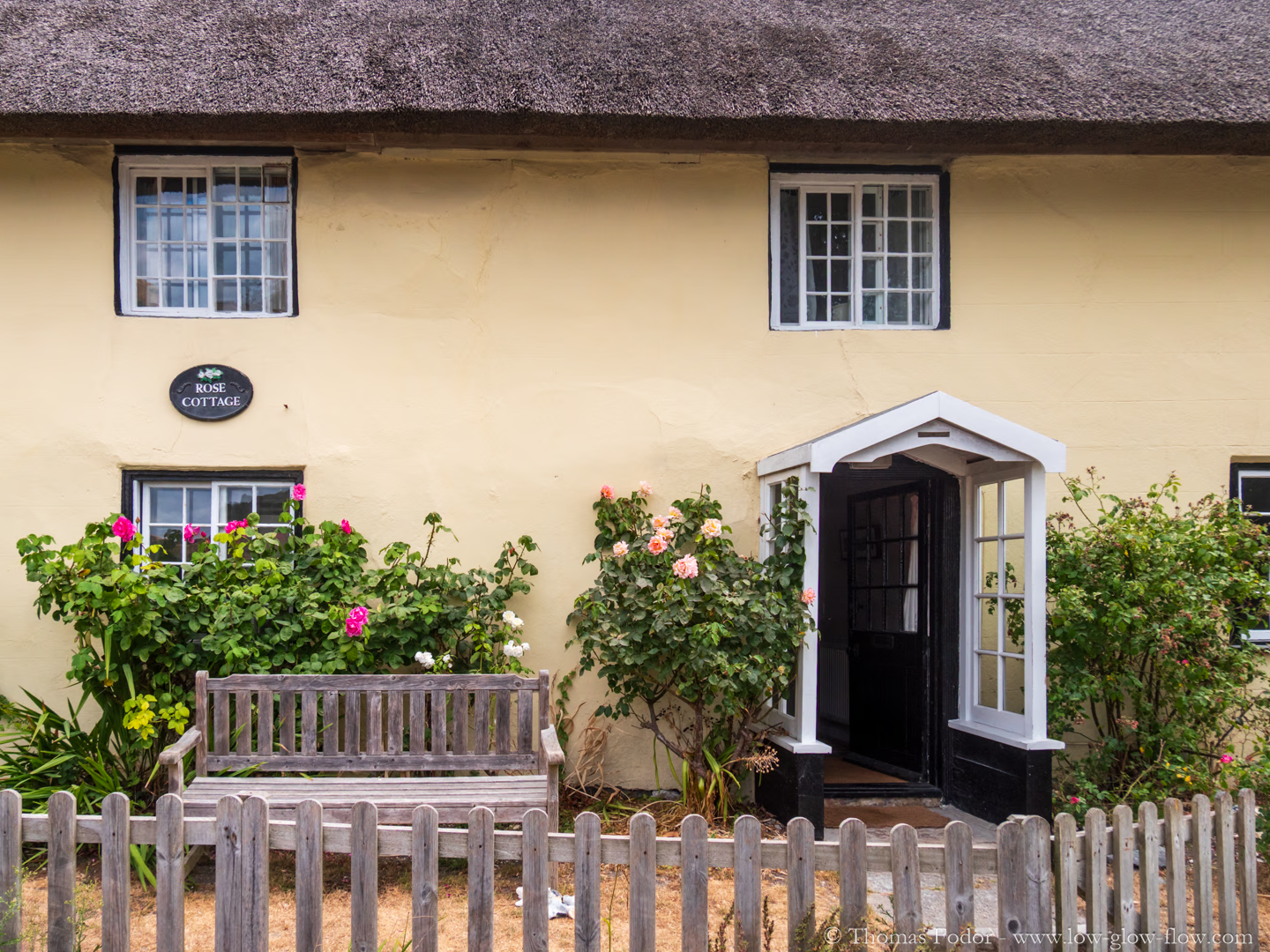
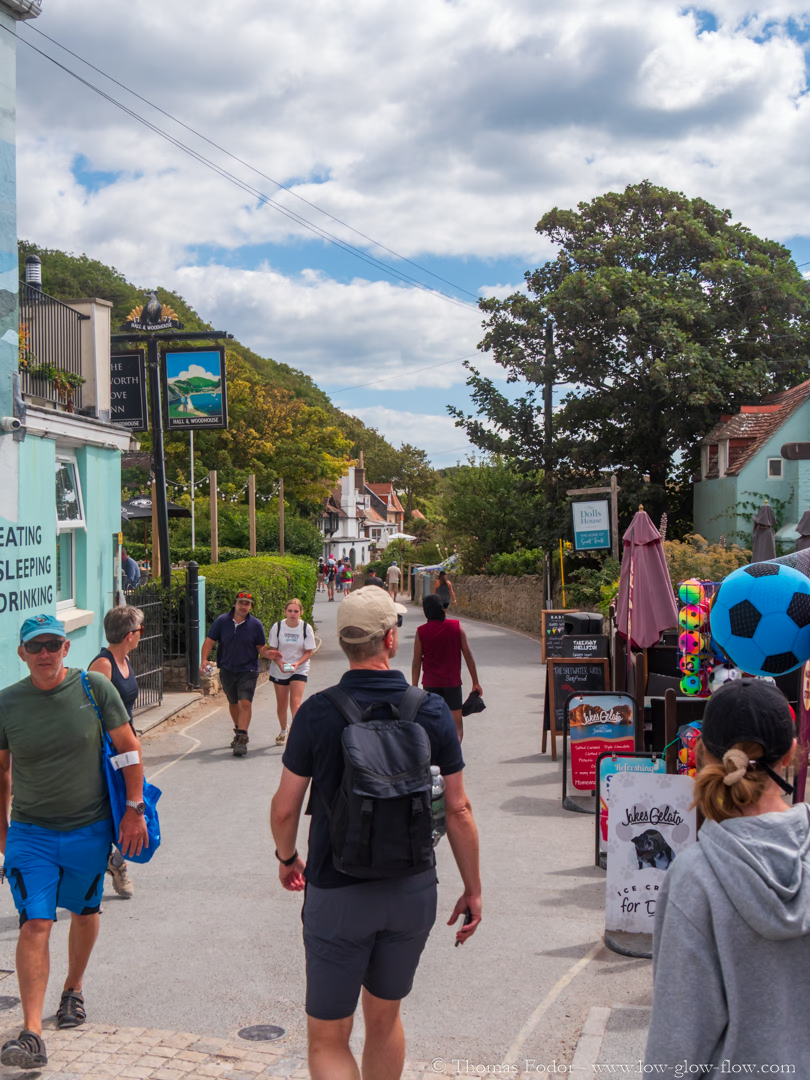
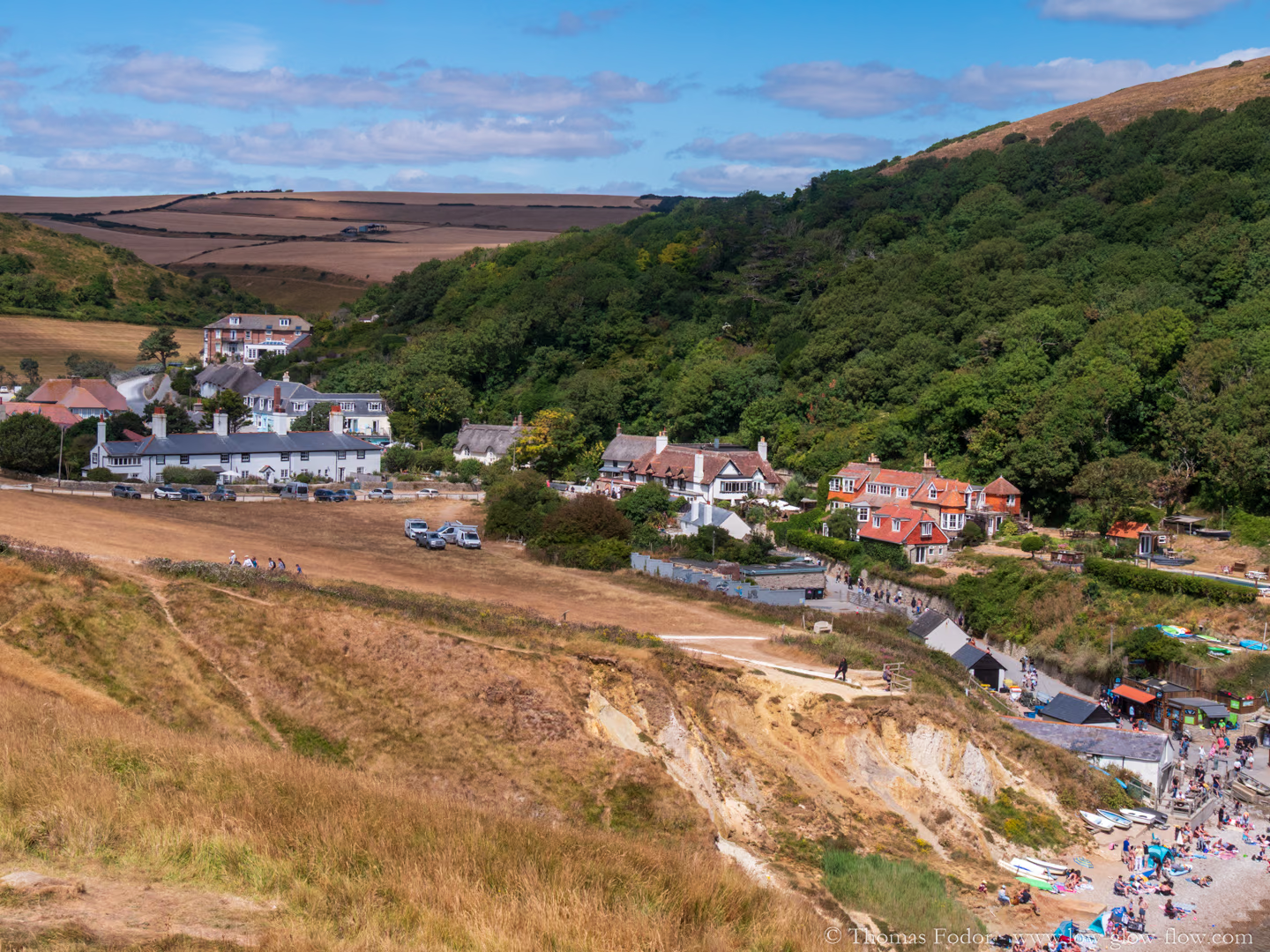
We parked in West Lulworth and walked down to the coast through the village.
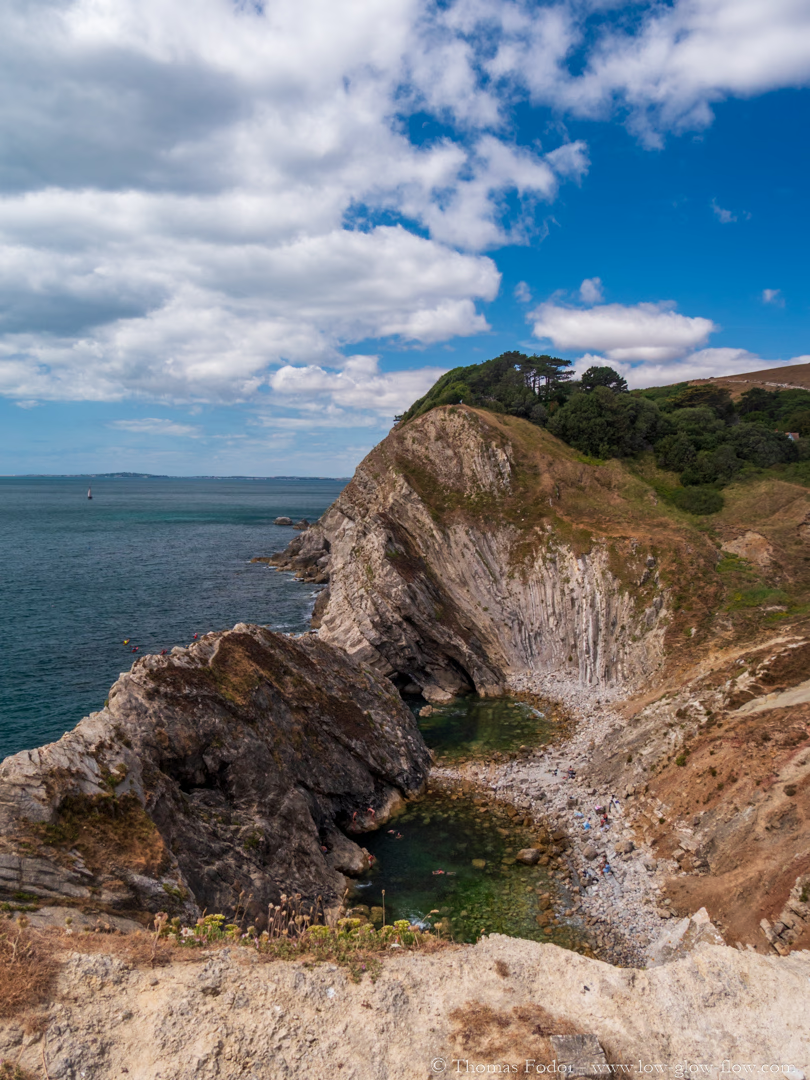
The south-west of England (Dorset) presents an almost complete series of rocks, 200-40 million years old (Triassic-Jurassic-Cretaceous). The oldest rocks (Early Jurassic) are in the west of the county, the youngest (Eocene) in the east. It has been a UNESCO World Heritage Site since 2001, with half a million visitors a year.
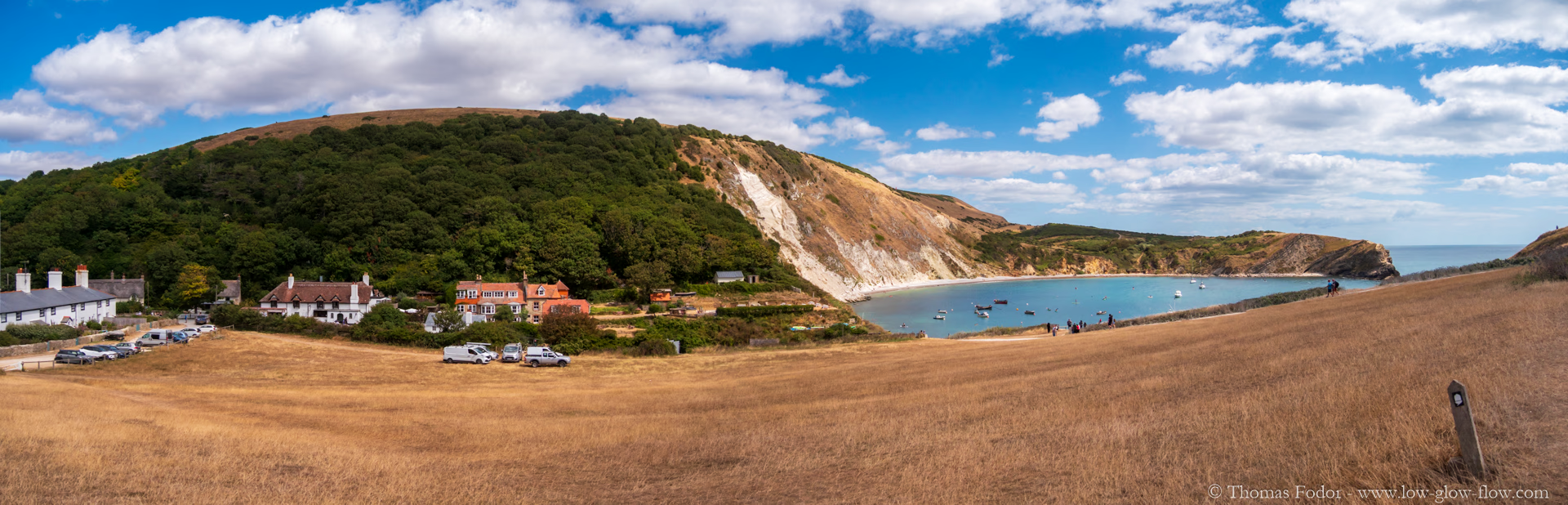
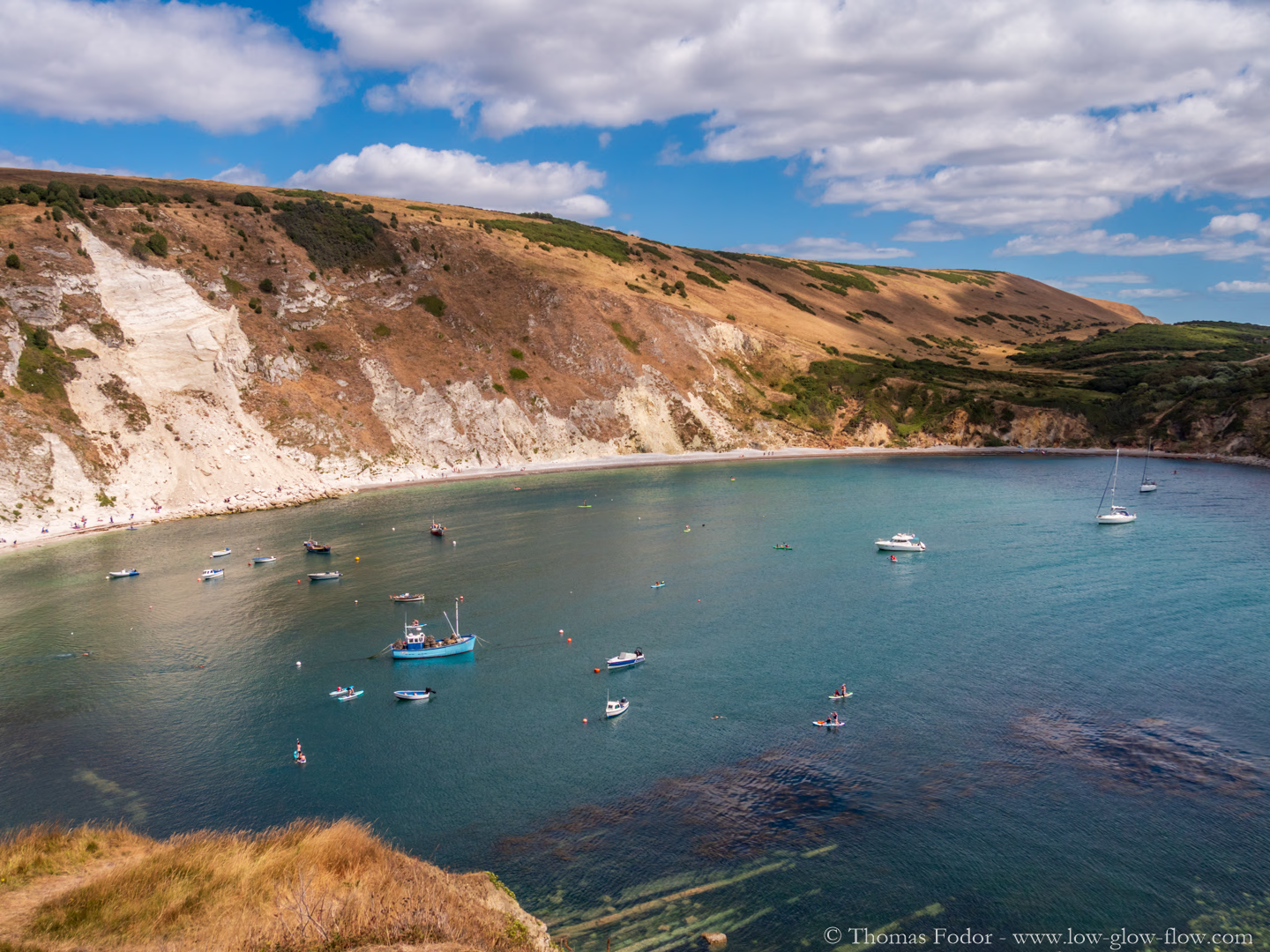
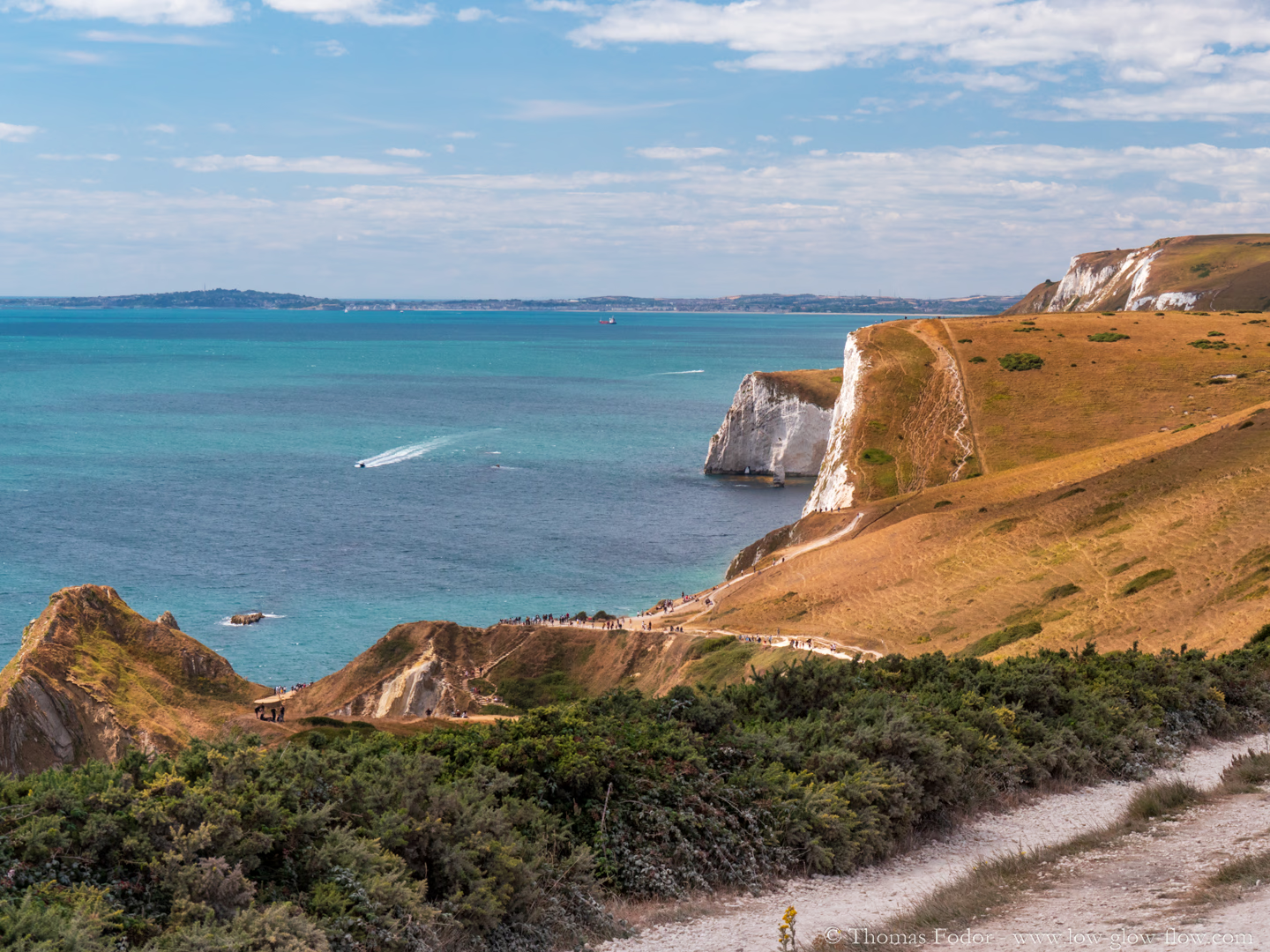
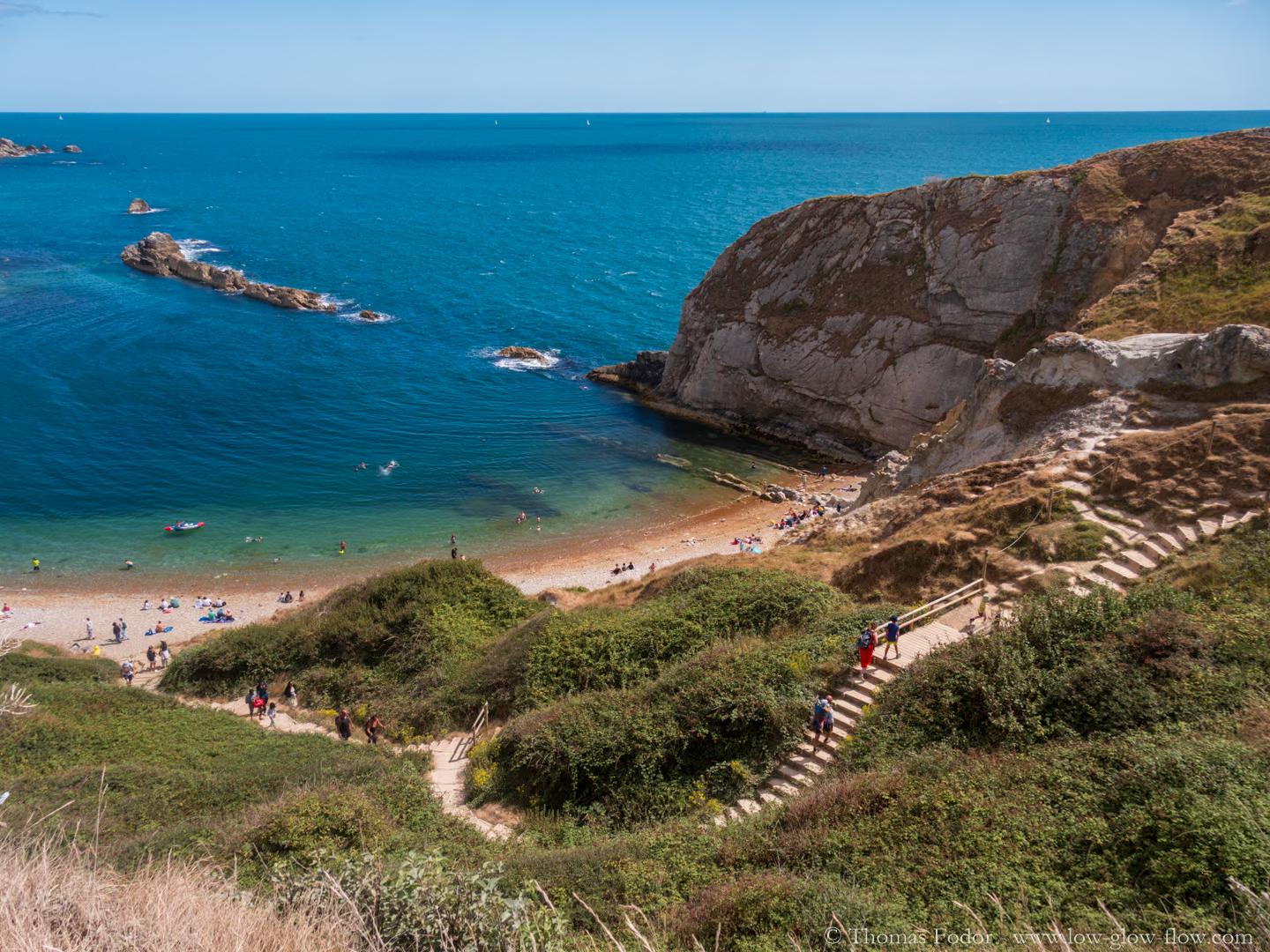
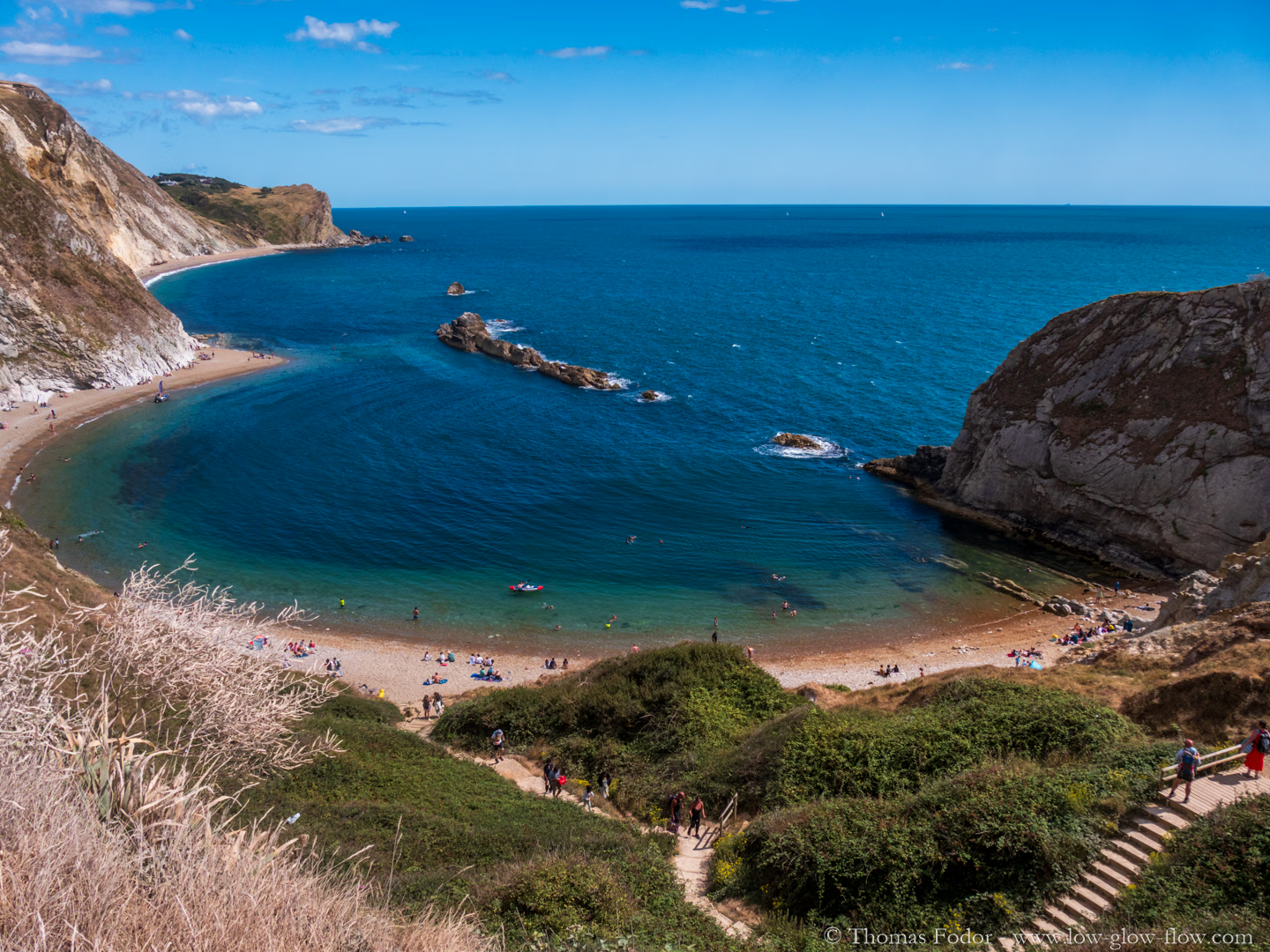
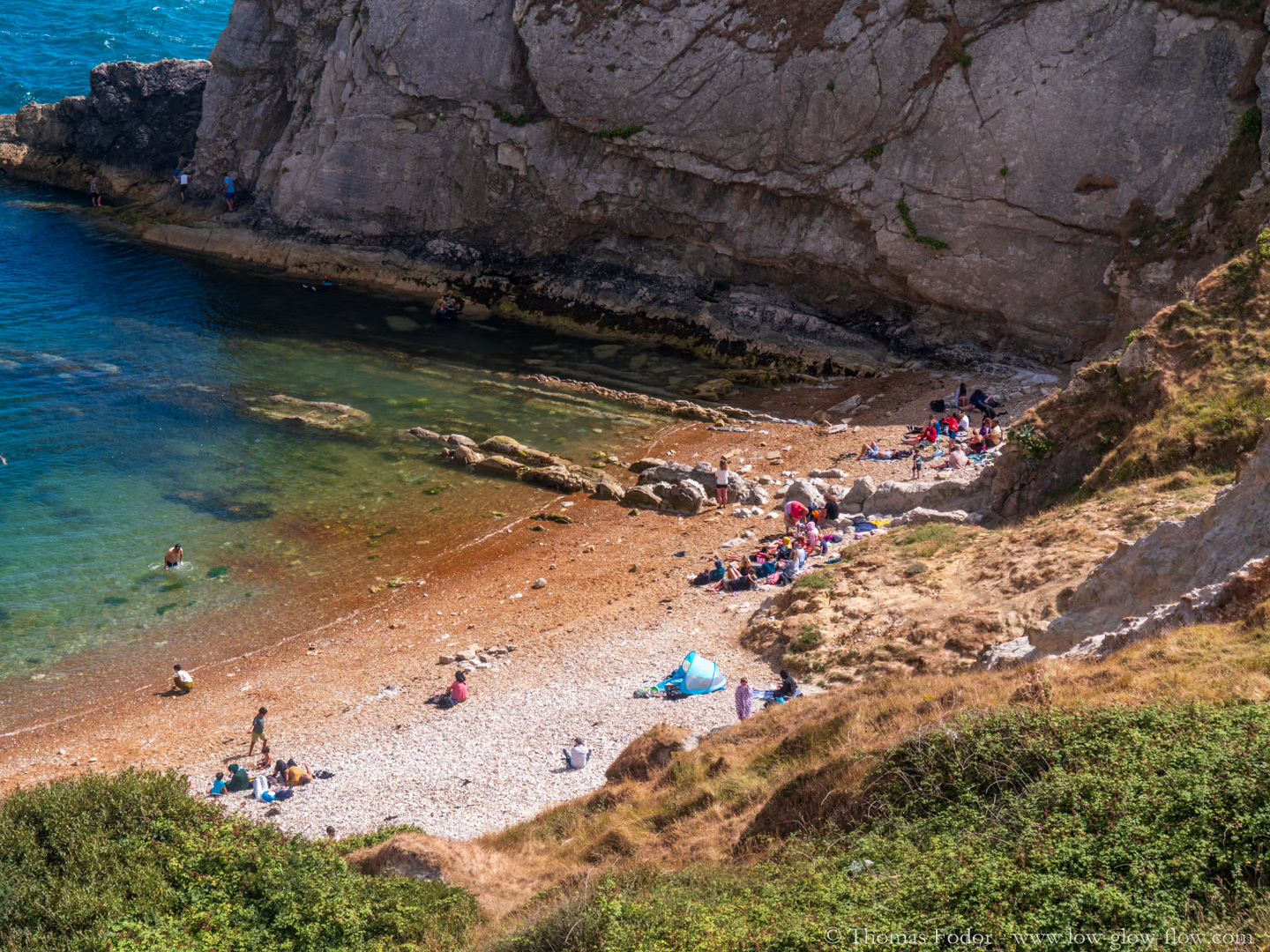
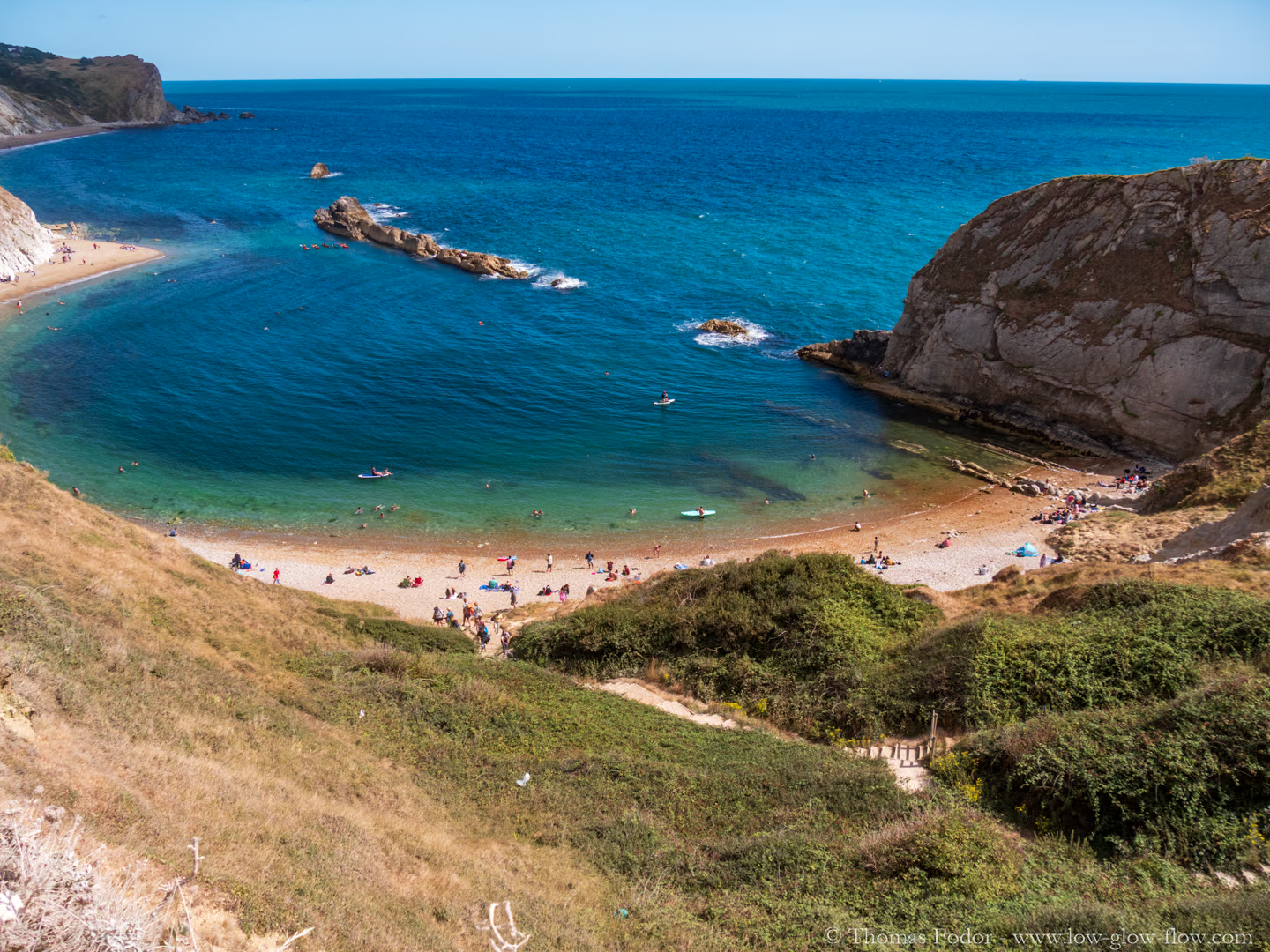
The entrance to Lulworth Bay is made up of harder Portland limestone (about 30 m wide) and Purbeck limestone (about 50 m), and the 300-500 meters behind it are much less resistant clay and greensand. These are eroded, which is why the bay was formed.
The bay’s characteristic semicircular shape is created by wave diffraction: waves entering the narrow entrance spread out in an arc.
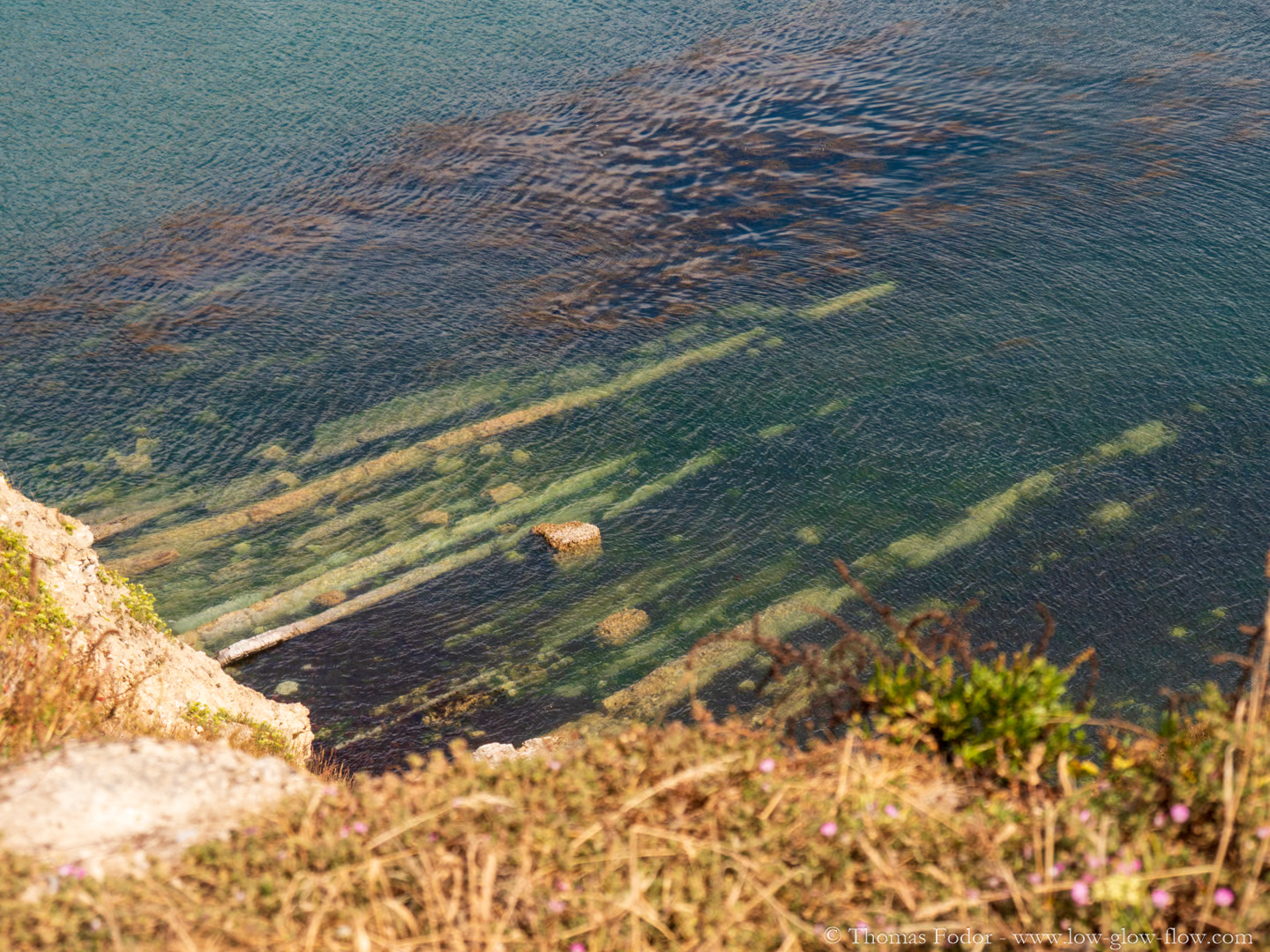
The bay is the result of a concordant coastline: it was formed by the erosion of parallel, differently resistive rock bands. The area has been explored since the 19th century; many students still come here for geological fieldwork.
We had lunch on the hillside next to the bay.
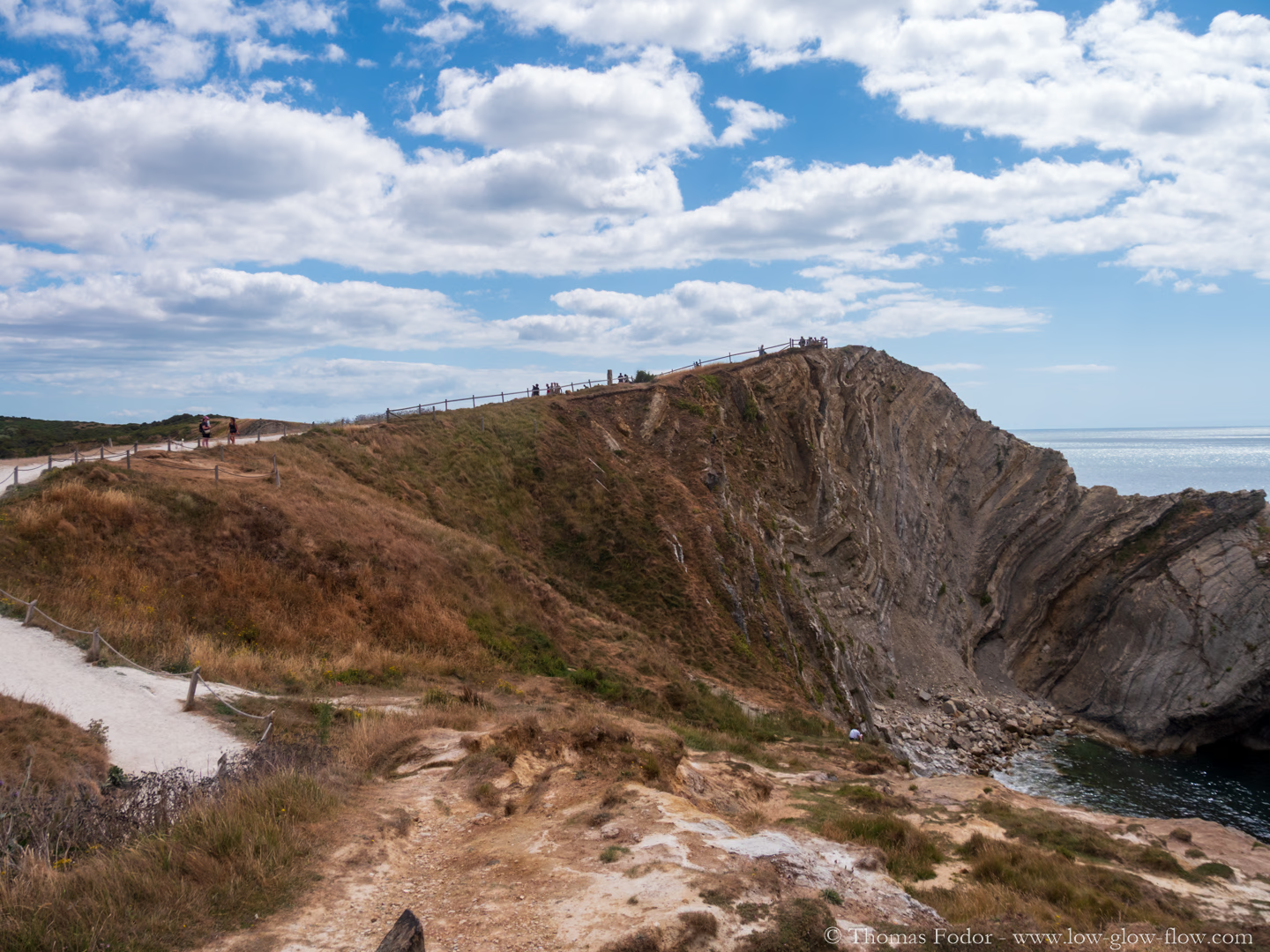
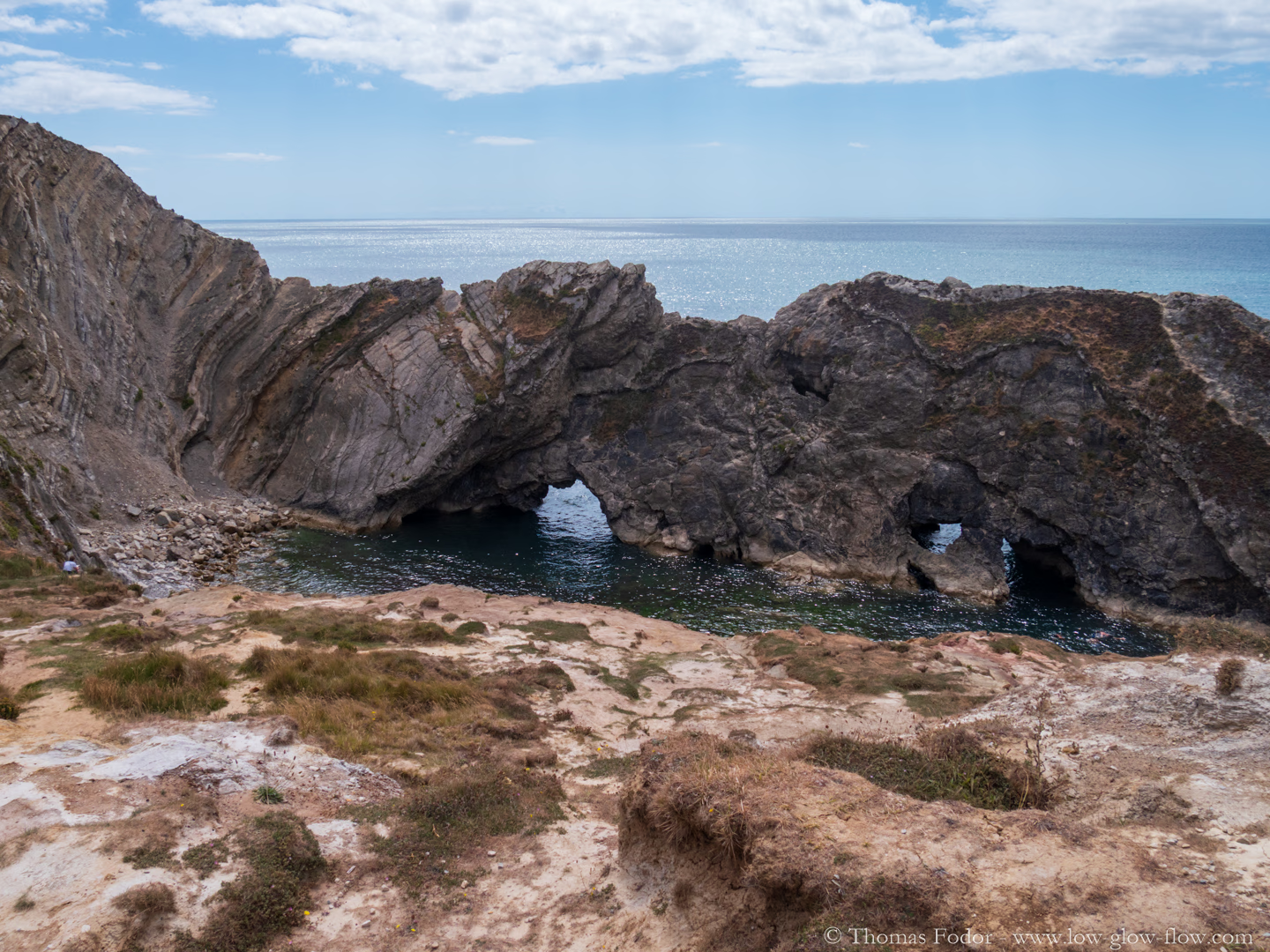
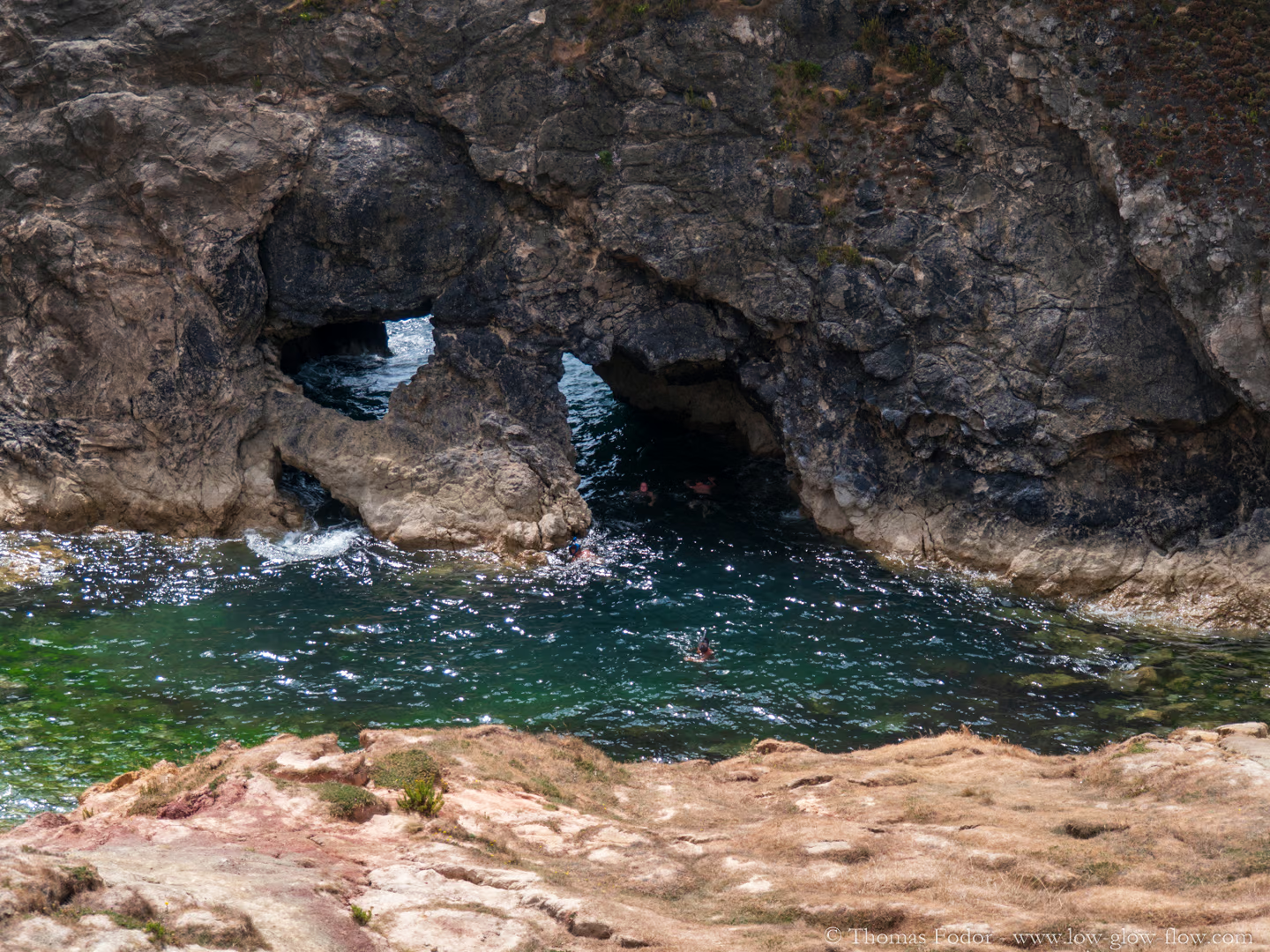

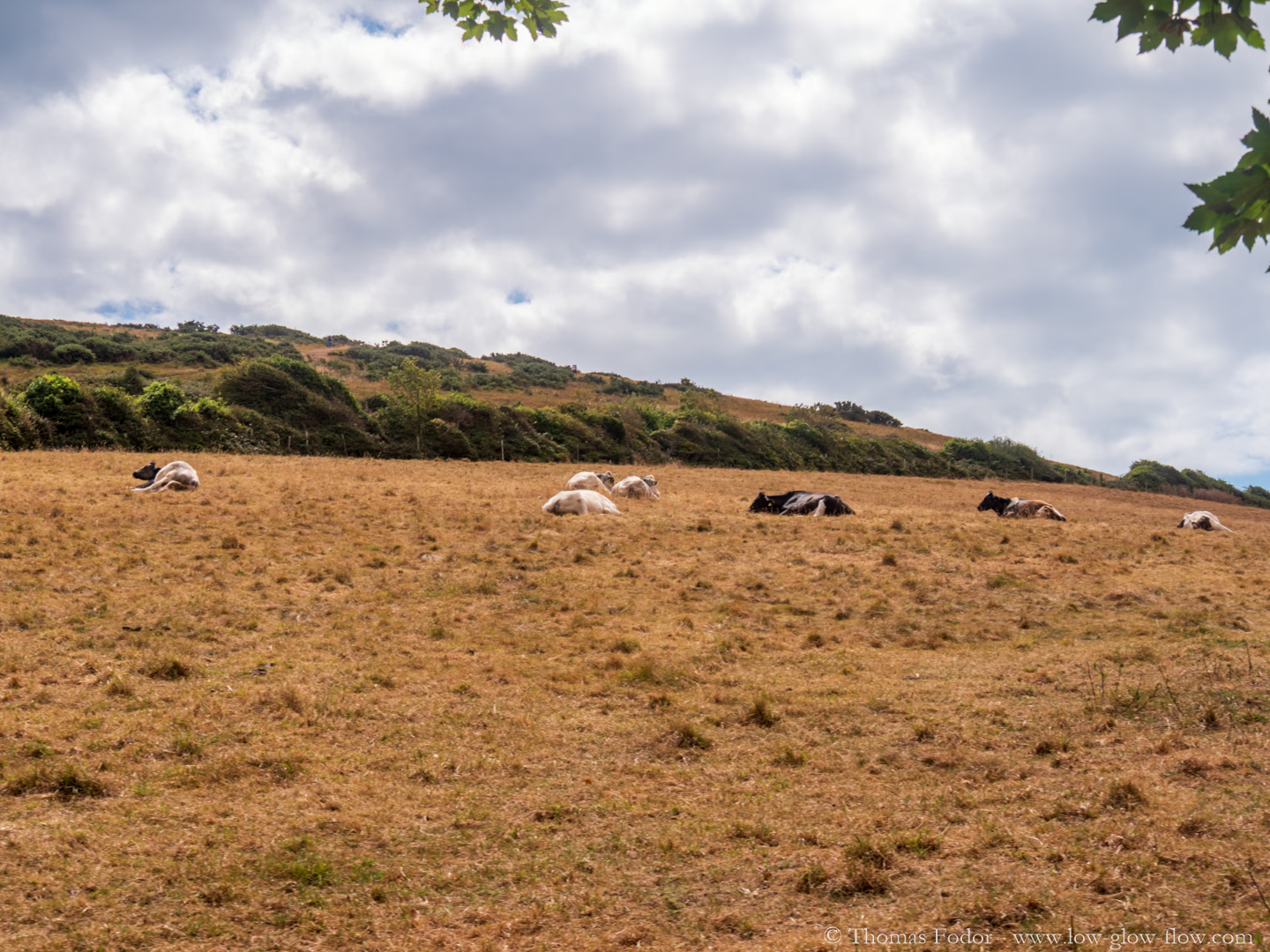
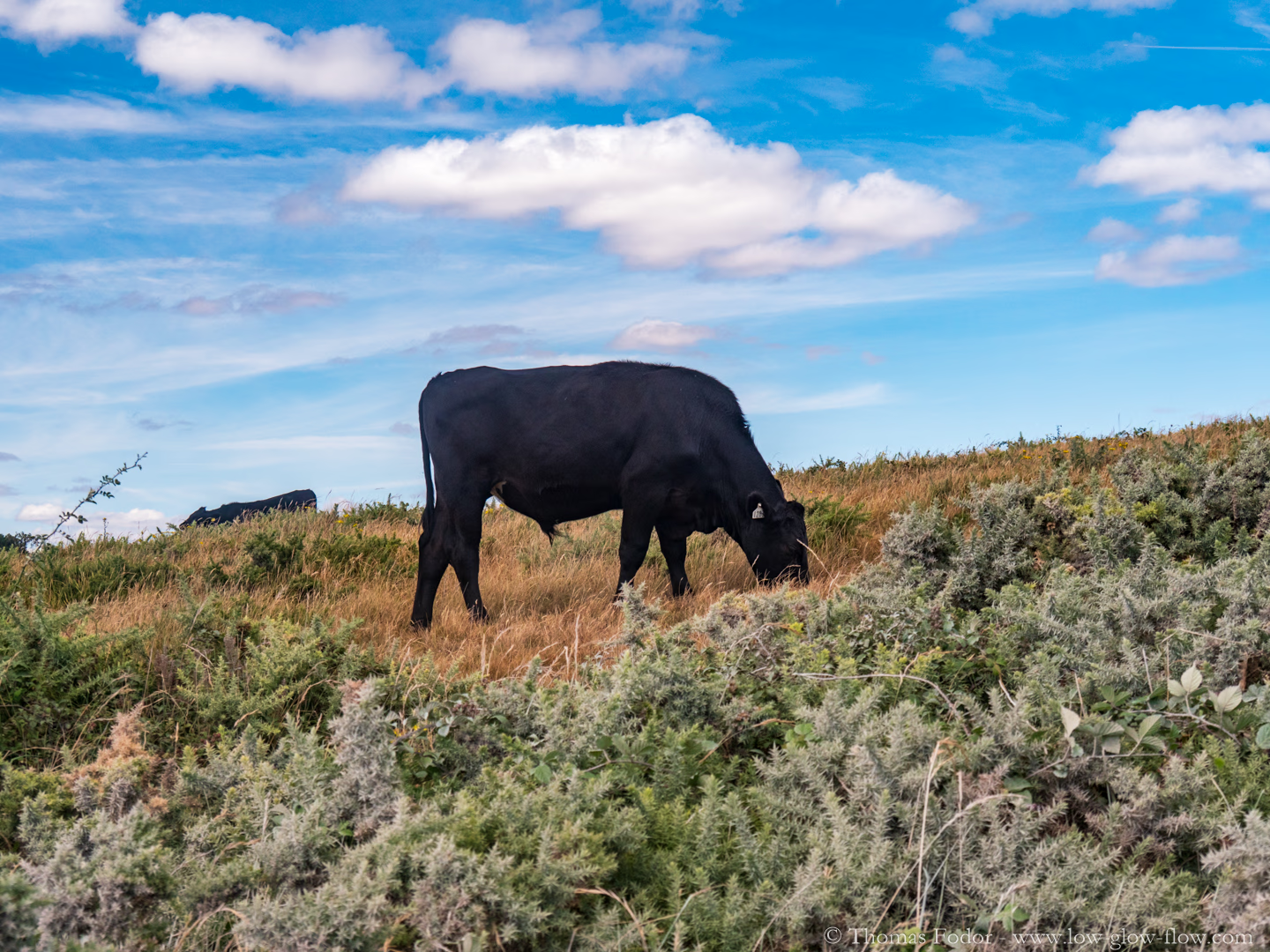
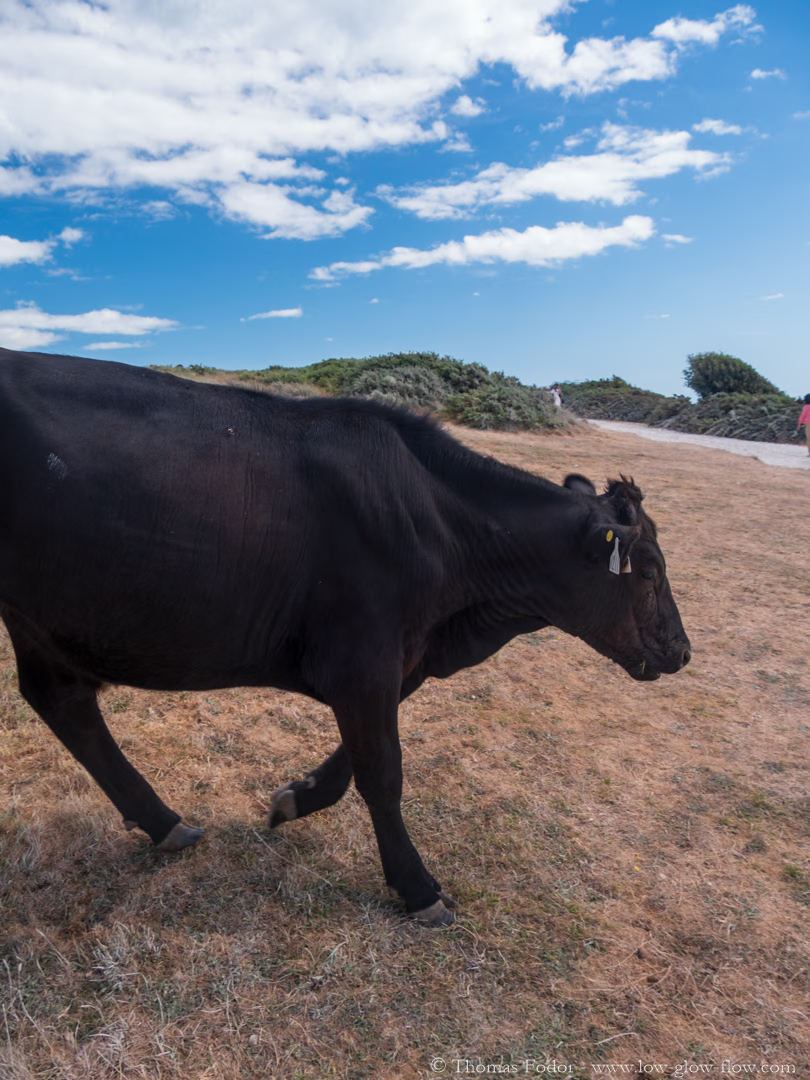
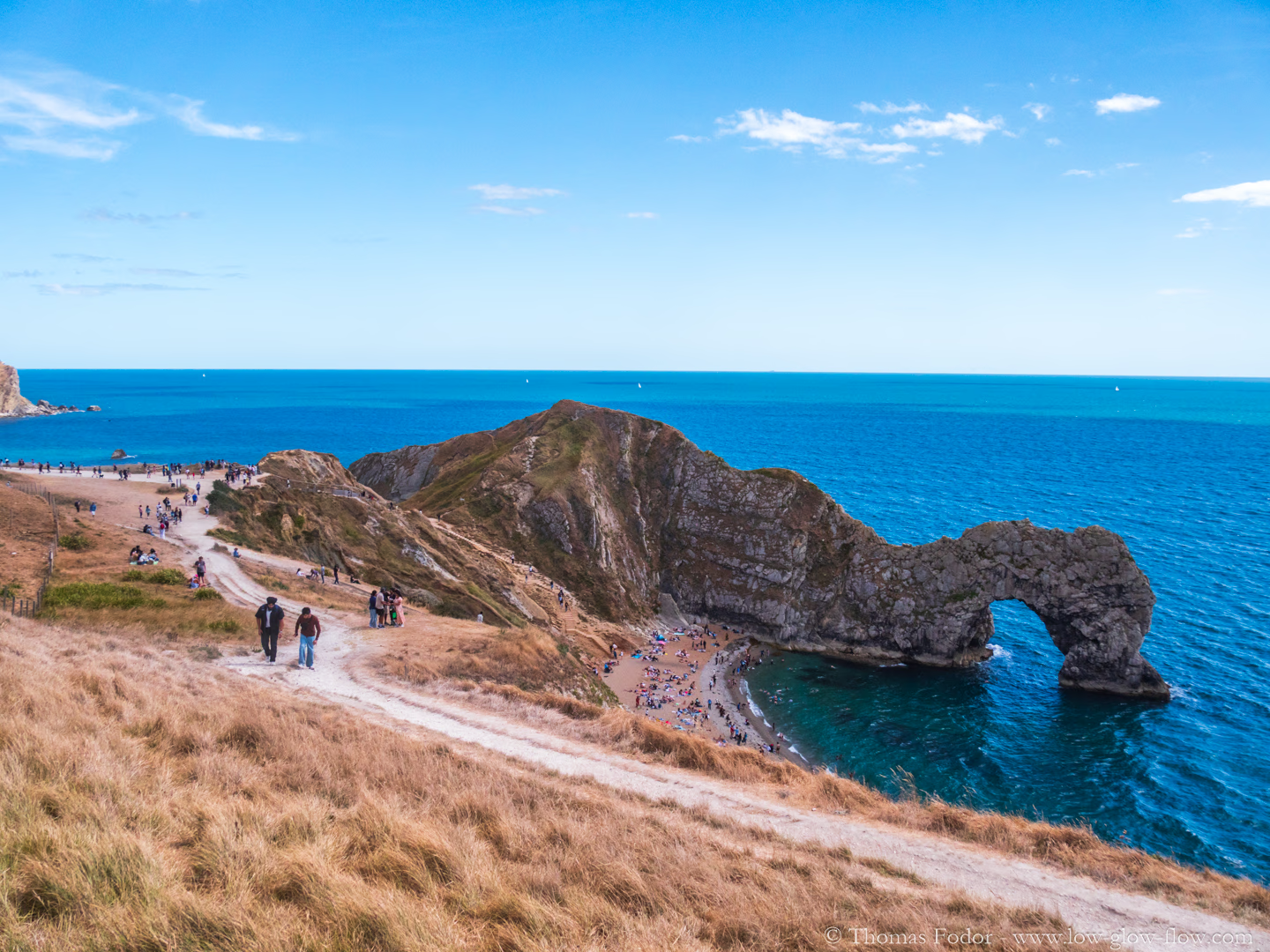
You can continue with a short hike to Durdle Door among meditating cows.
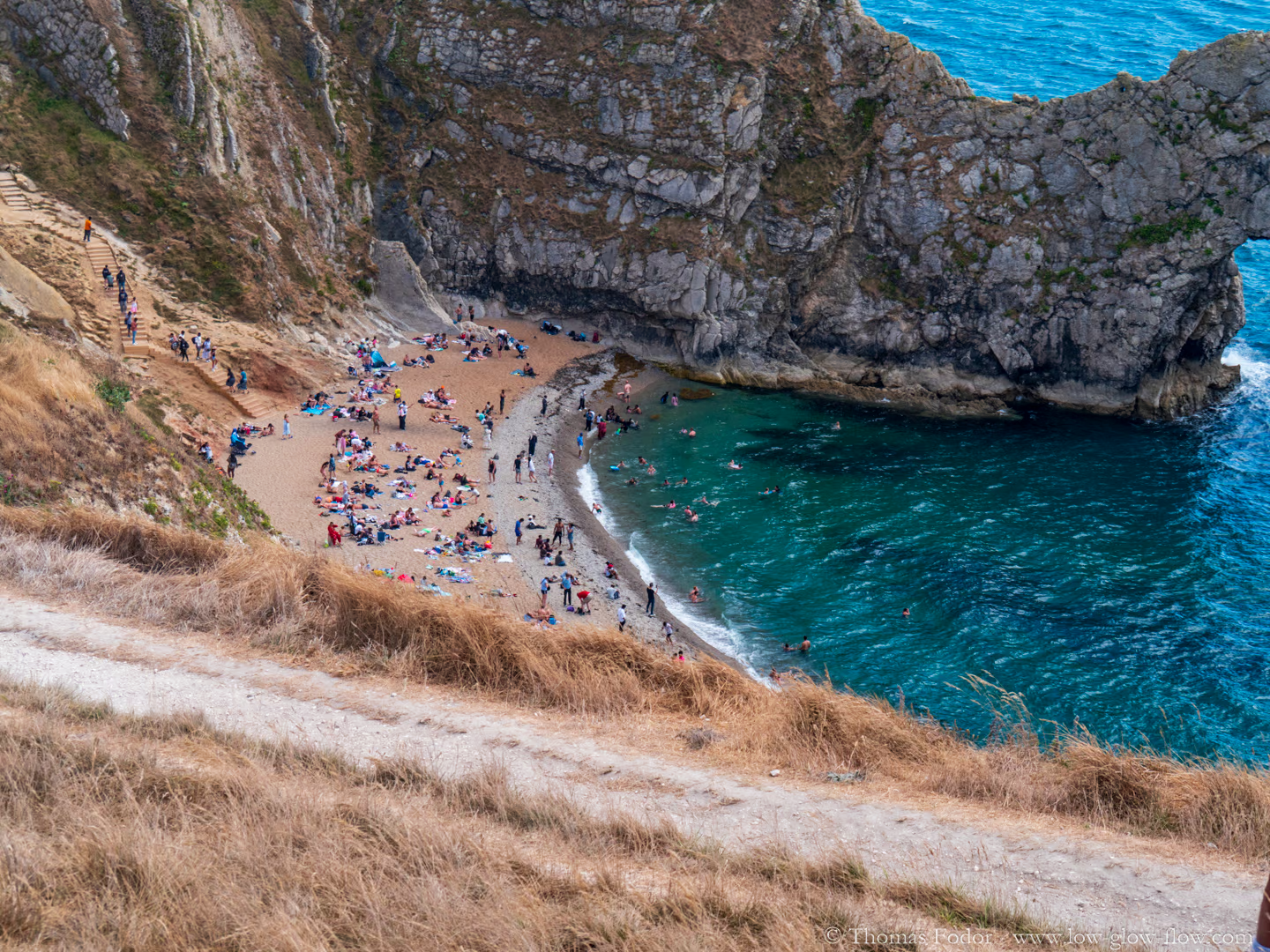
The Door could be a reflection of the Azure Window in Malta, which collapsed in 2017, but this door is 15 times older and still stands today precisely because it was created from harder limestone.
If you belong to my MTV generation, you have already seen this rock gate 😊
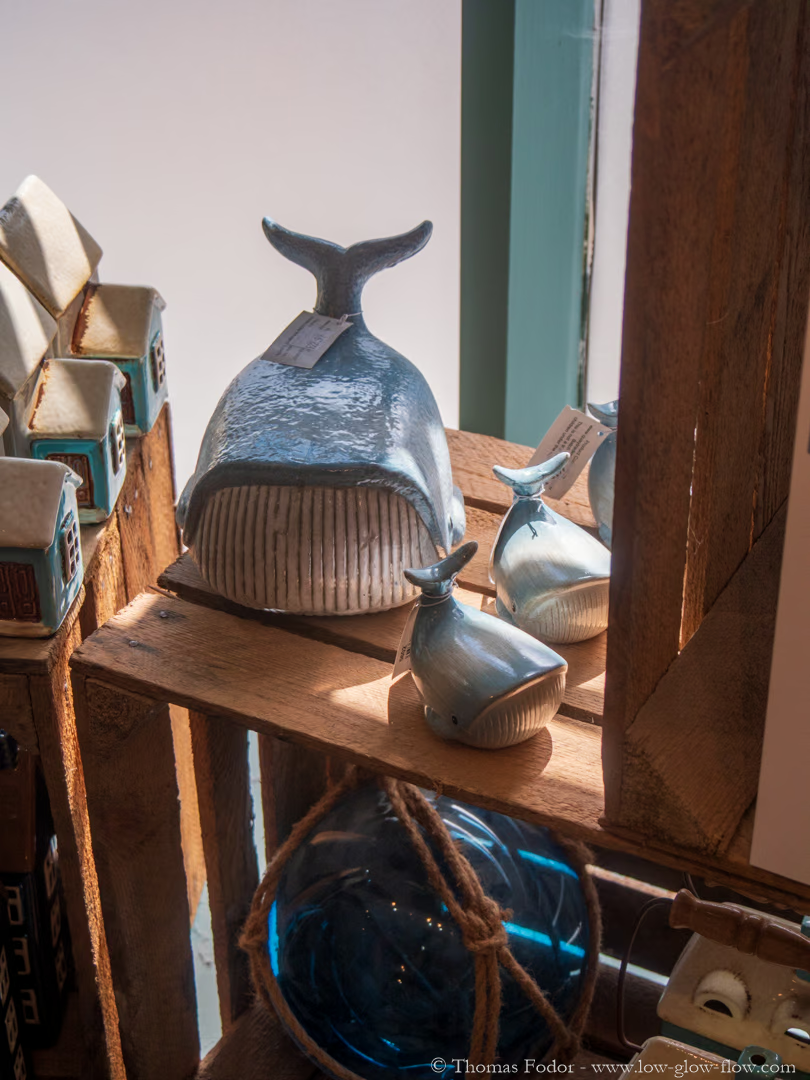
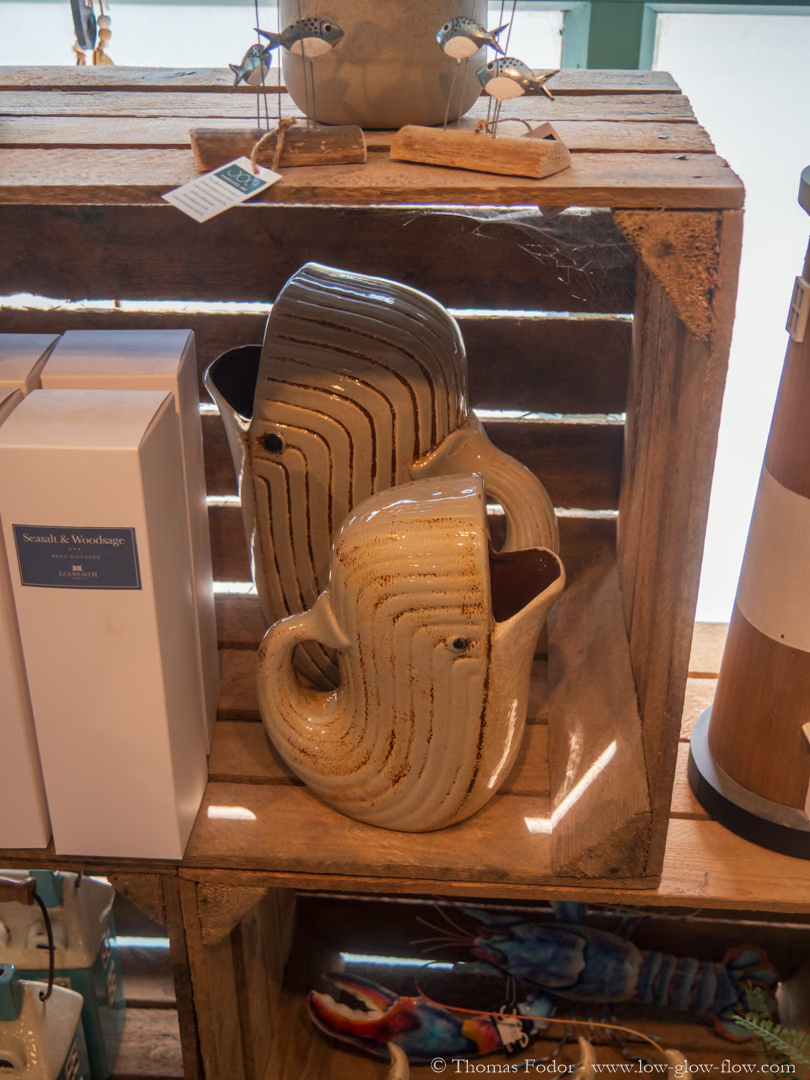
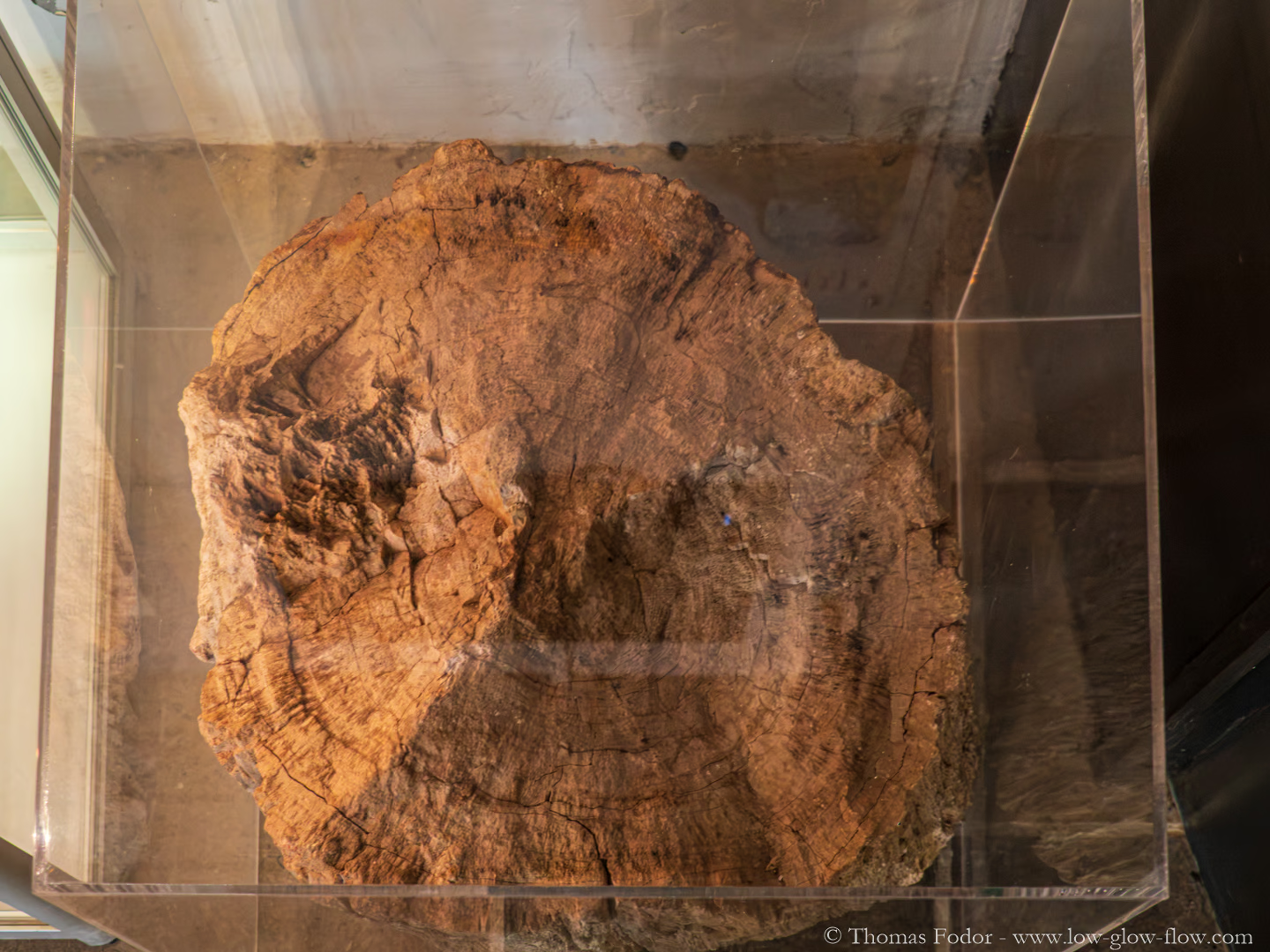
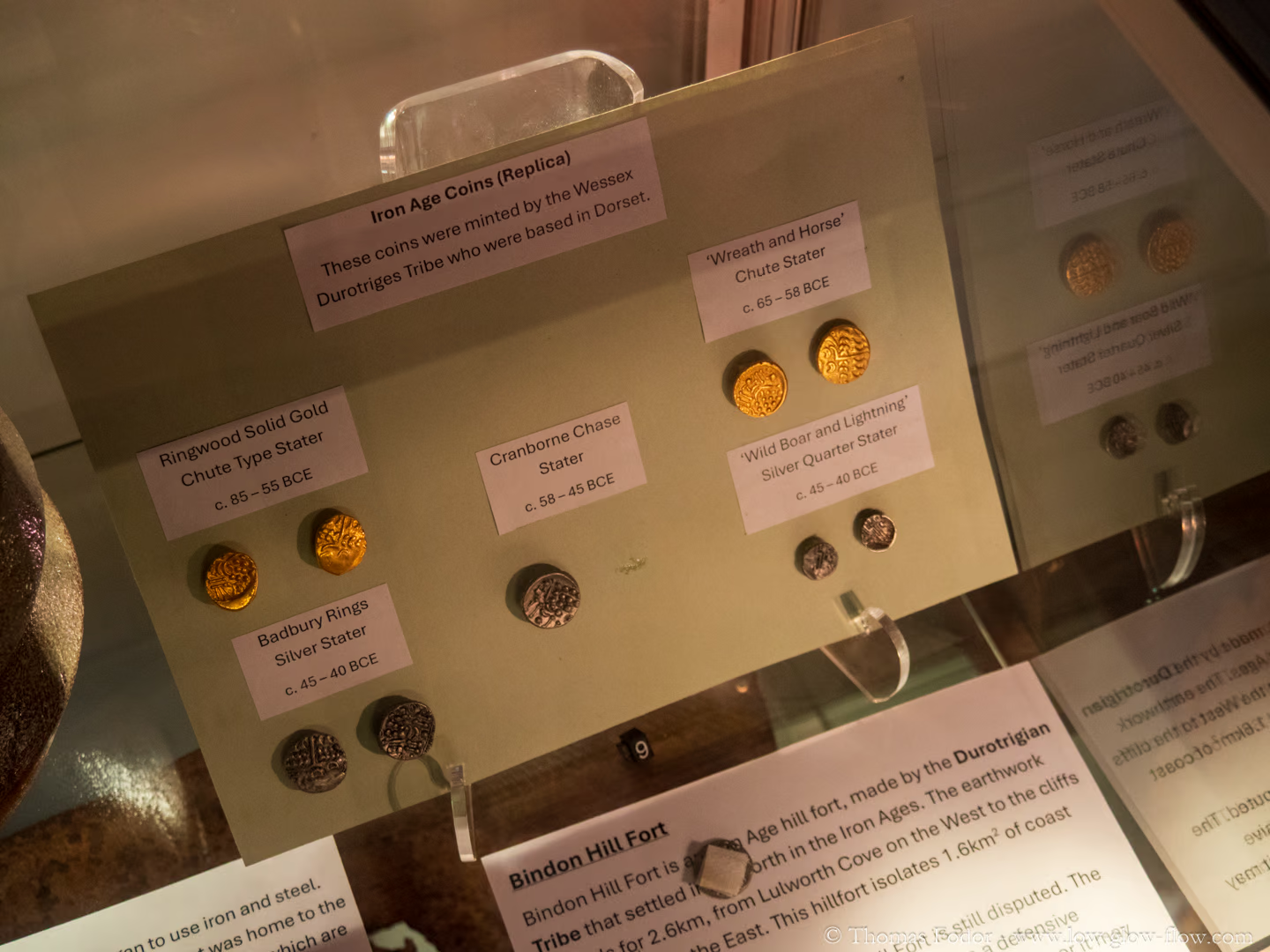
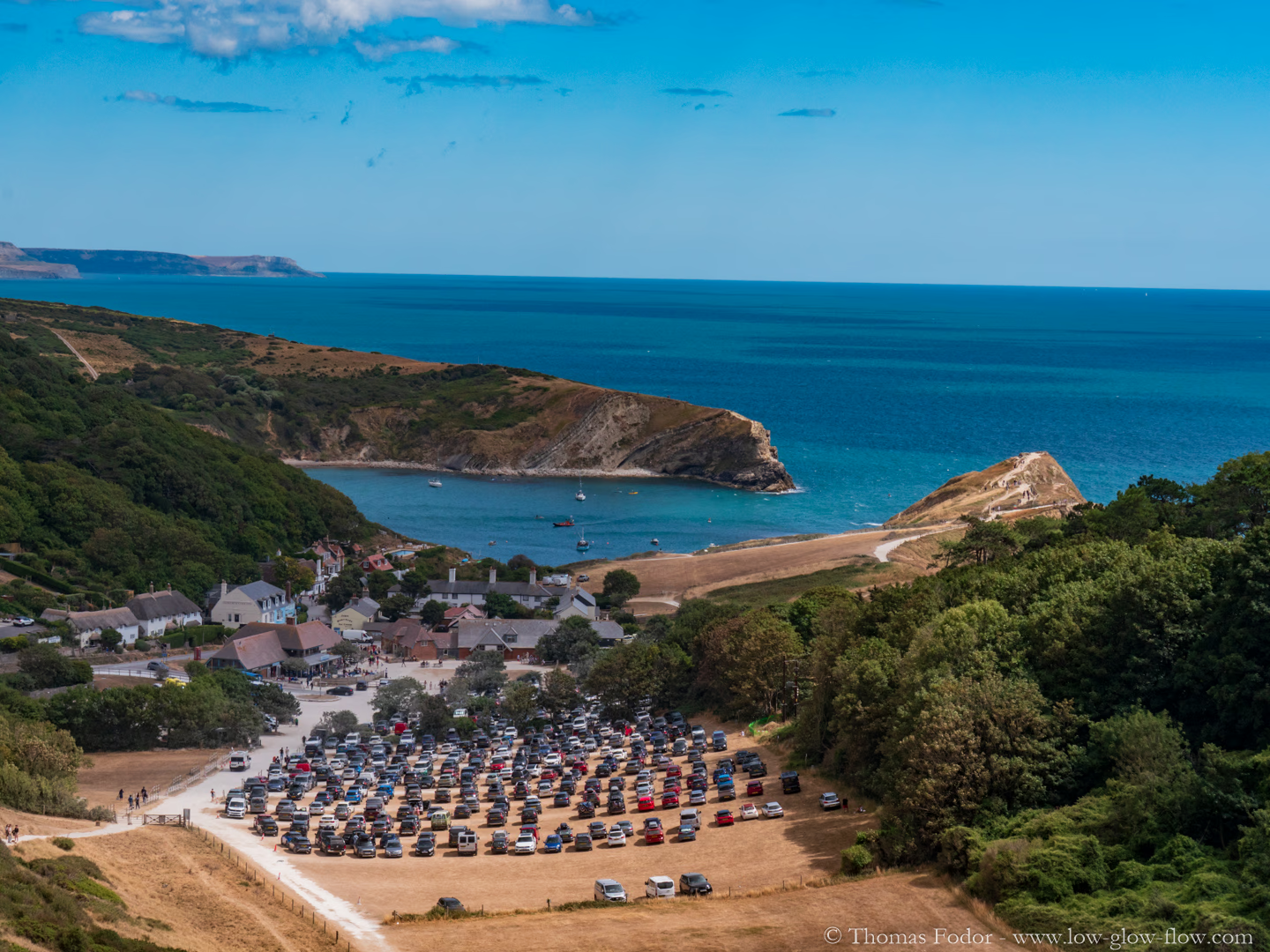
Of course, there is a gift shop next to the local car park, and a small geological exhibition.