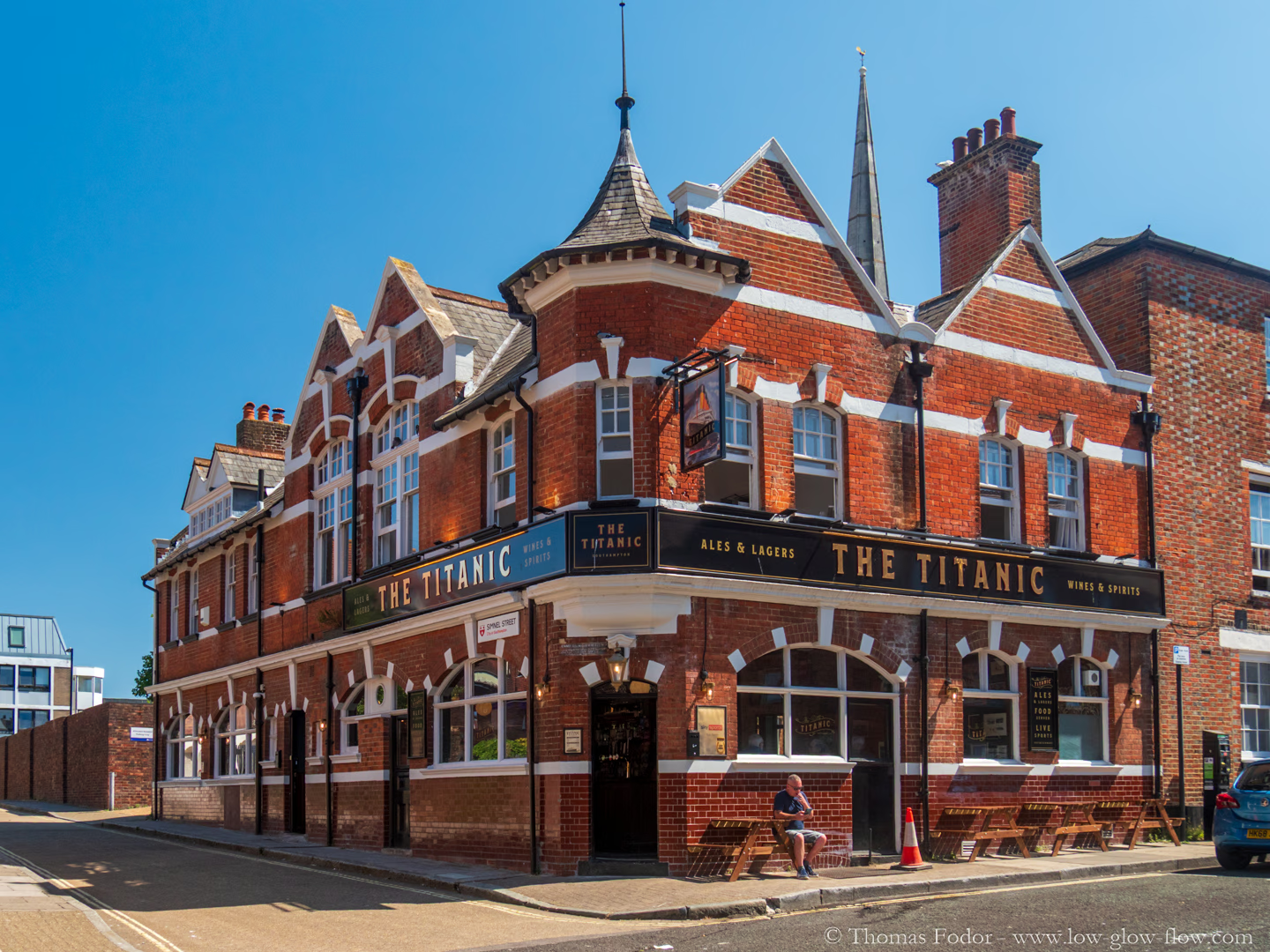
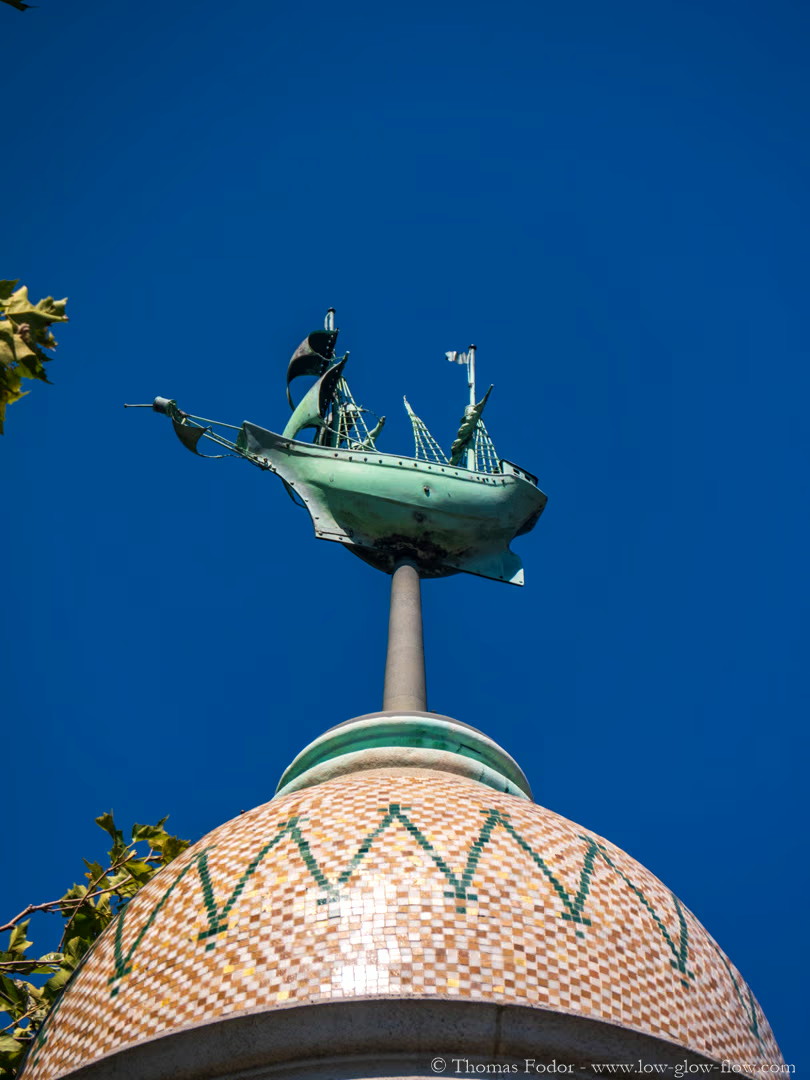
On the third day, we visited the Titanic exhibition at Southampton’s SeaCity museum and the city’s historic quarter.
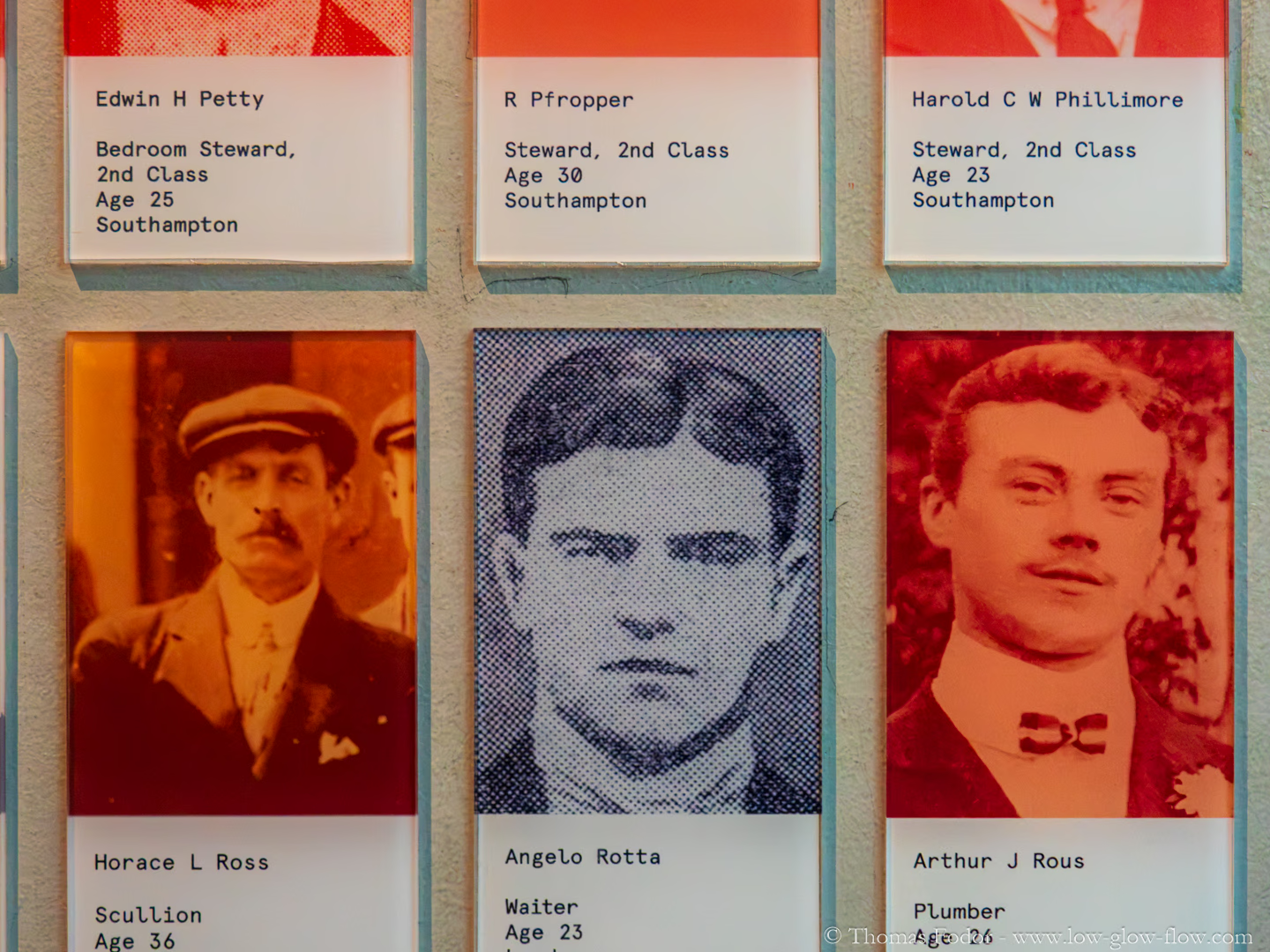
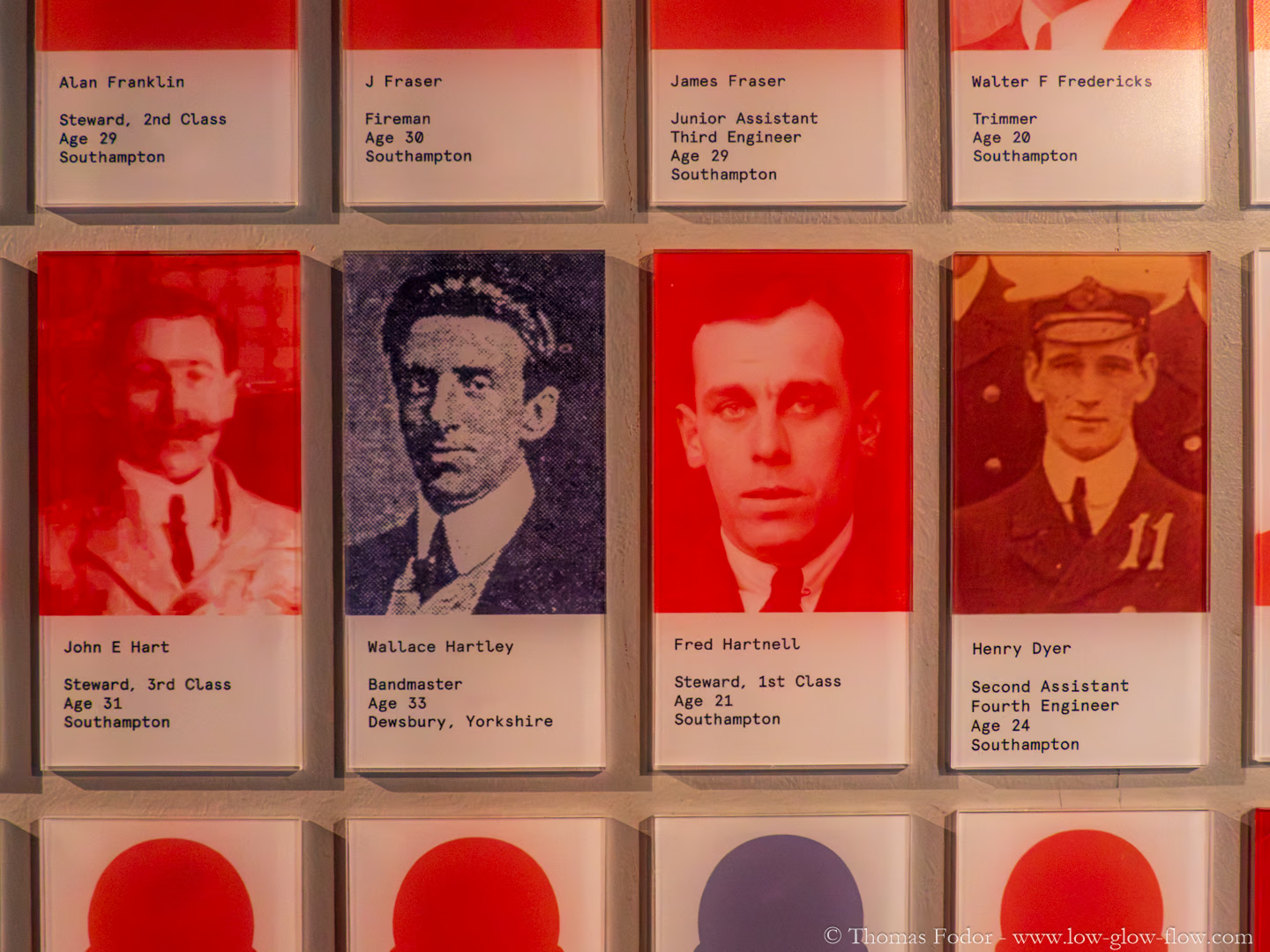
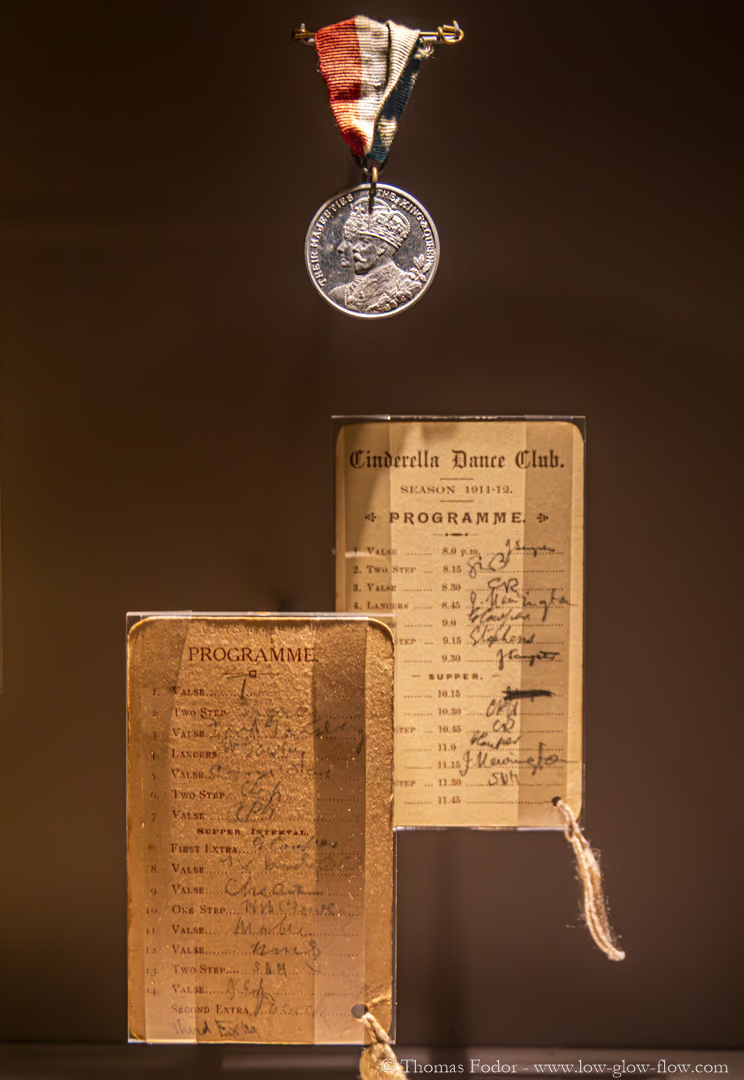
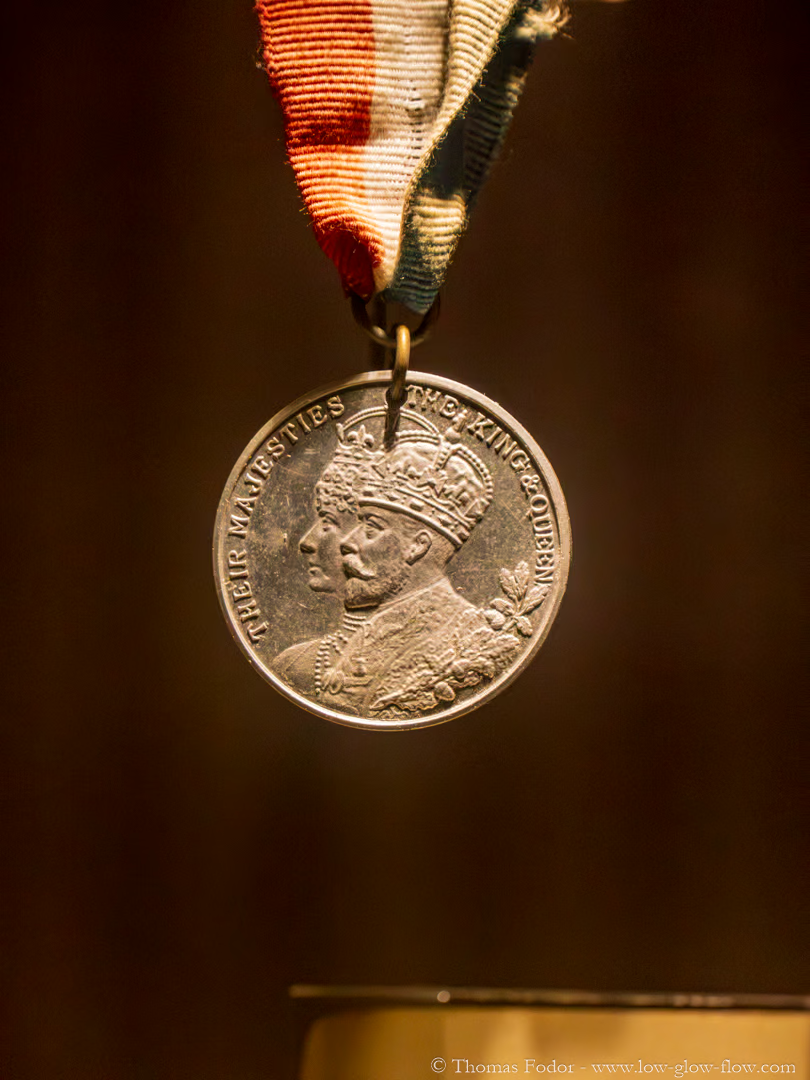
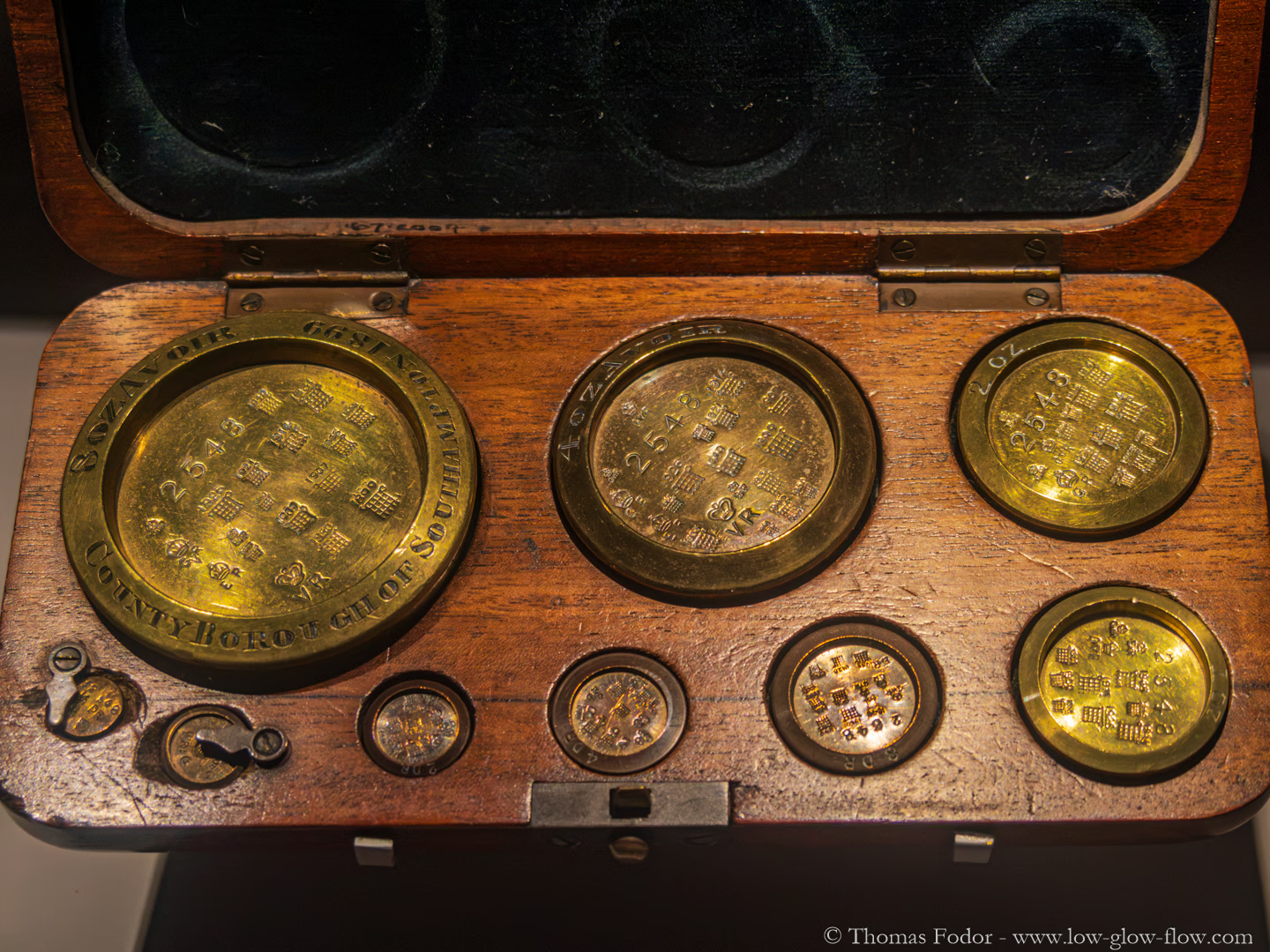
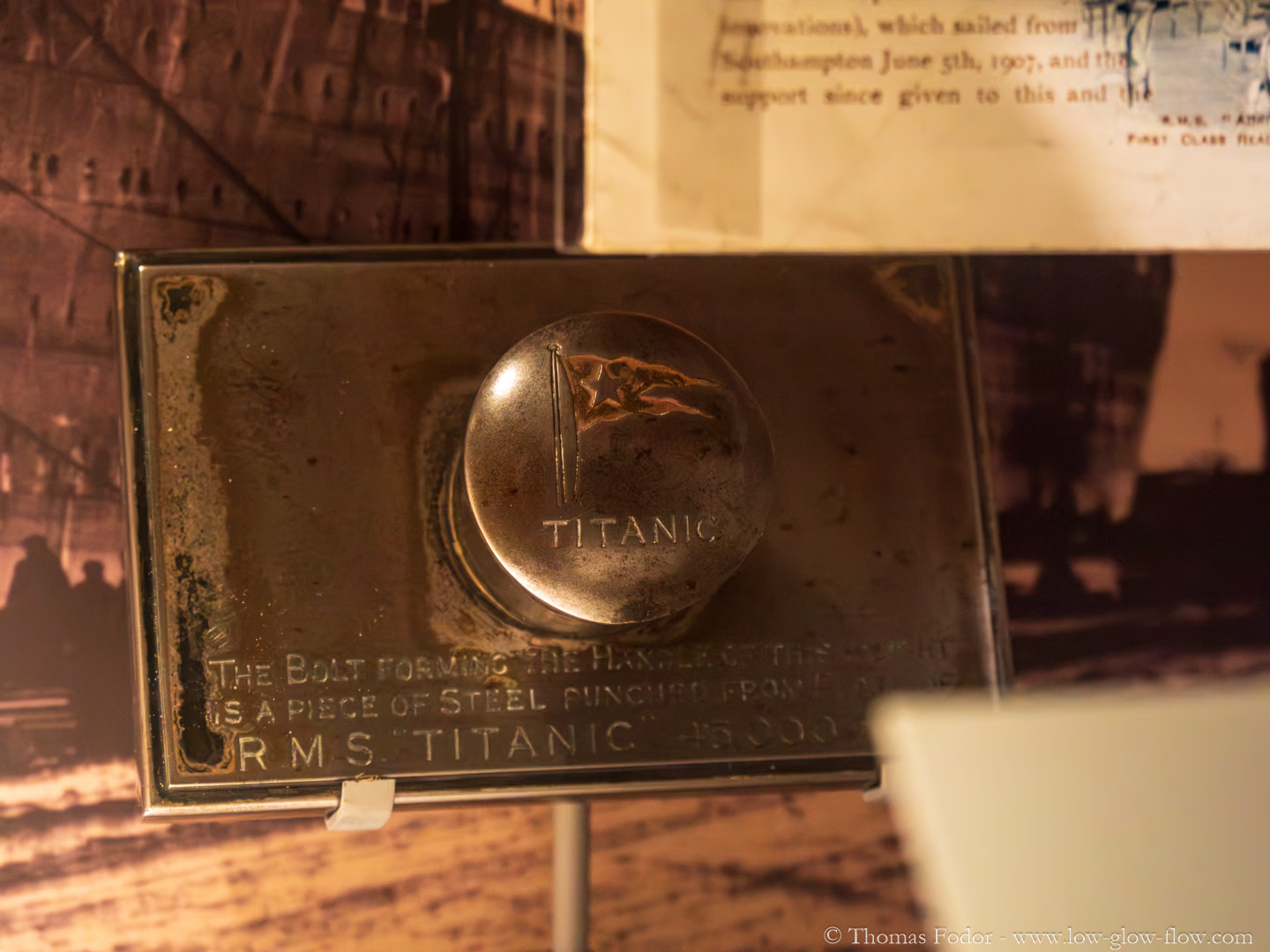
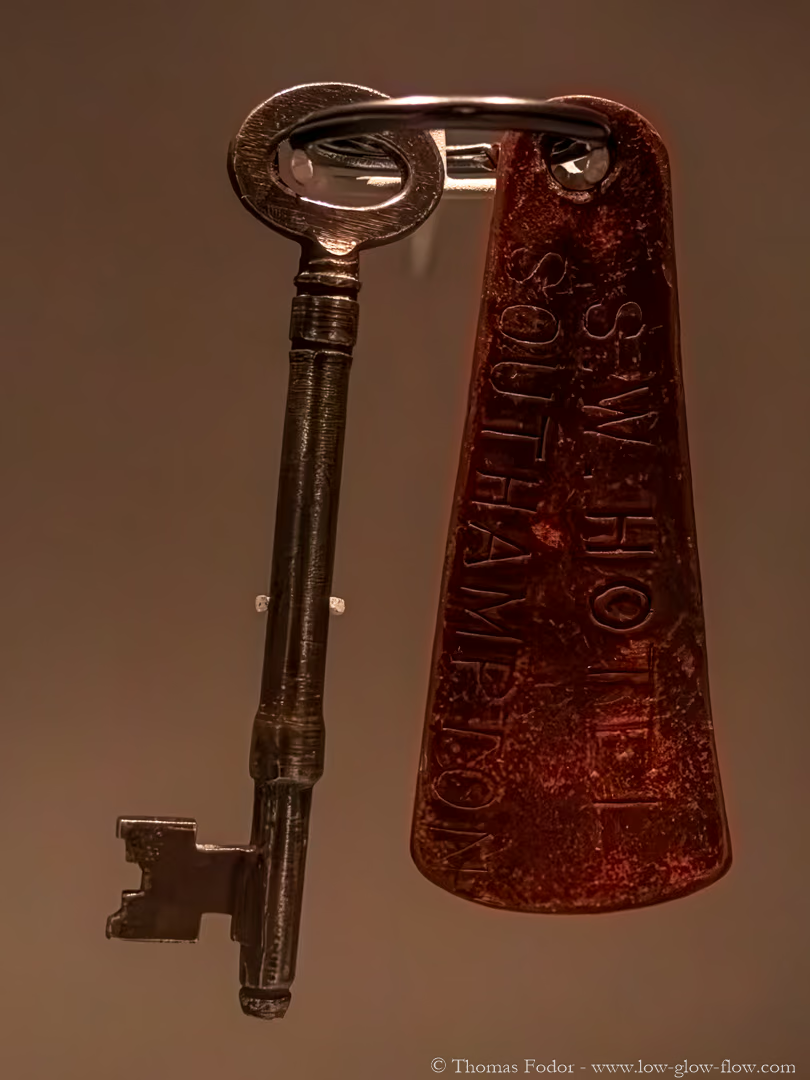
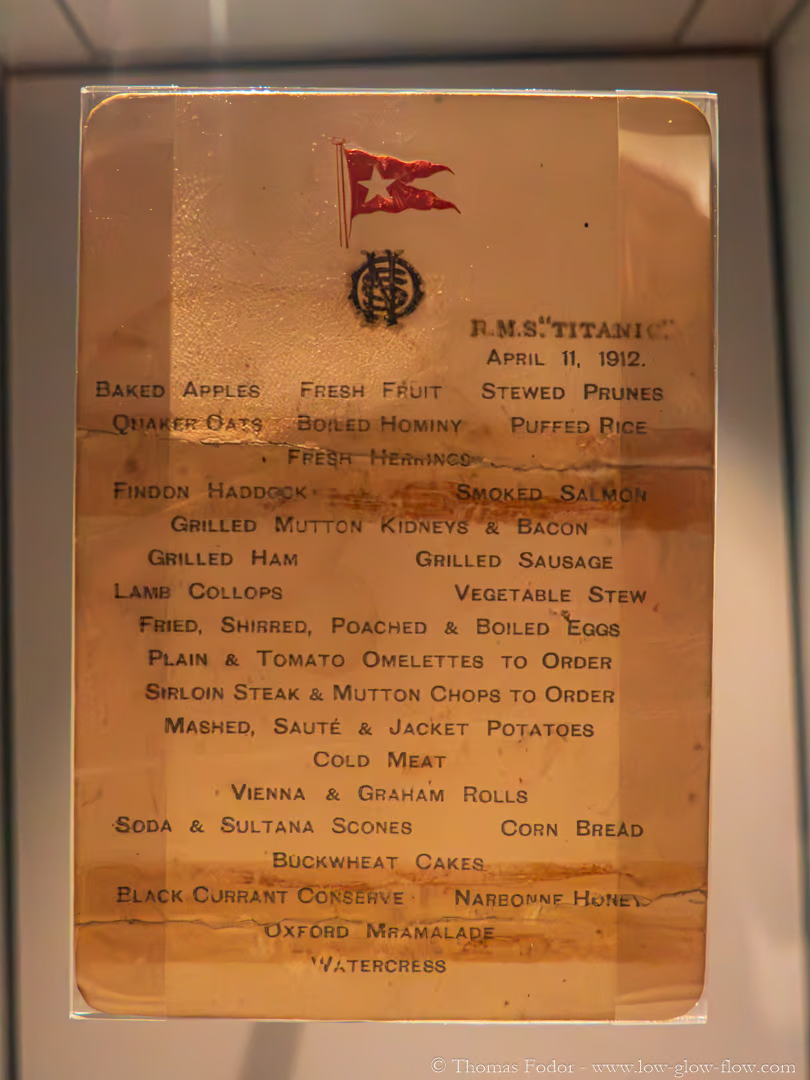
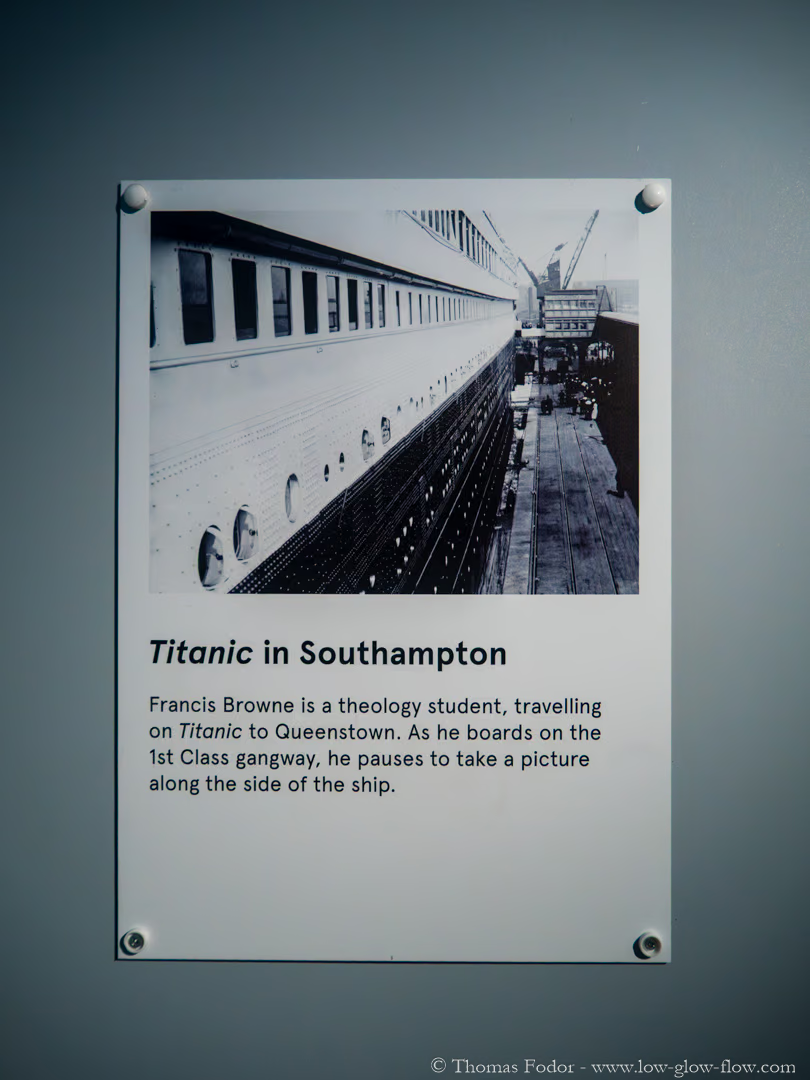
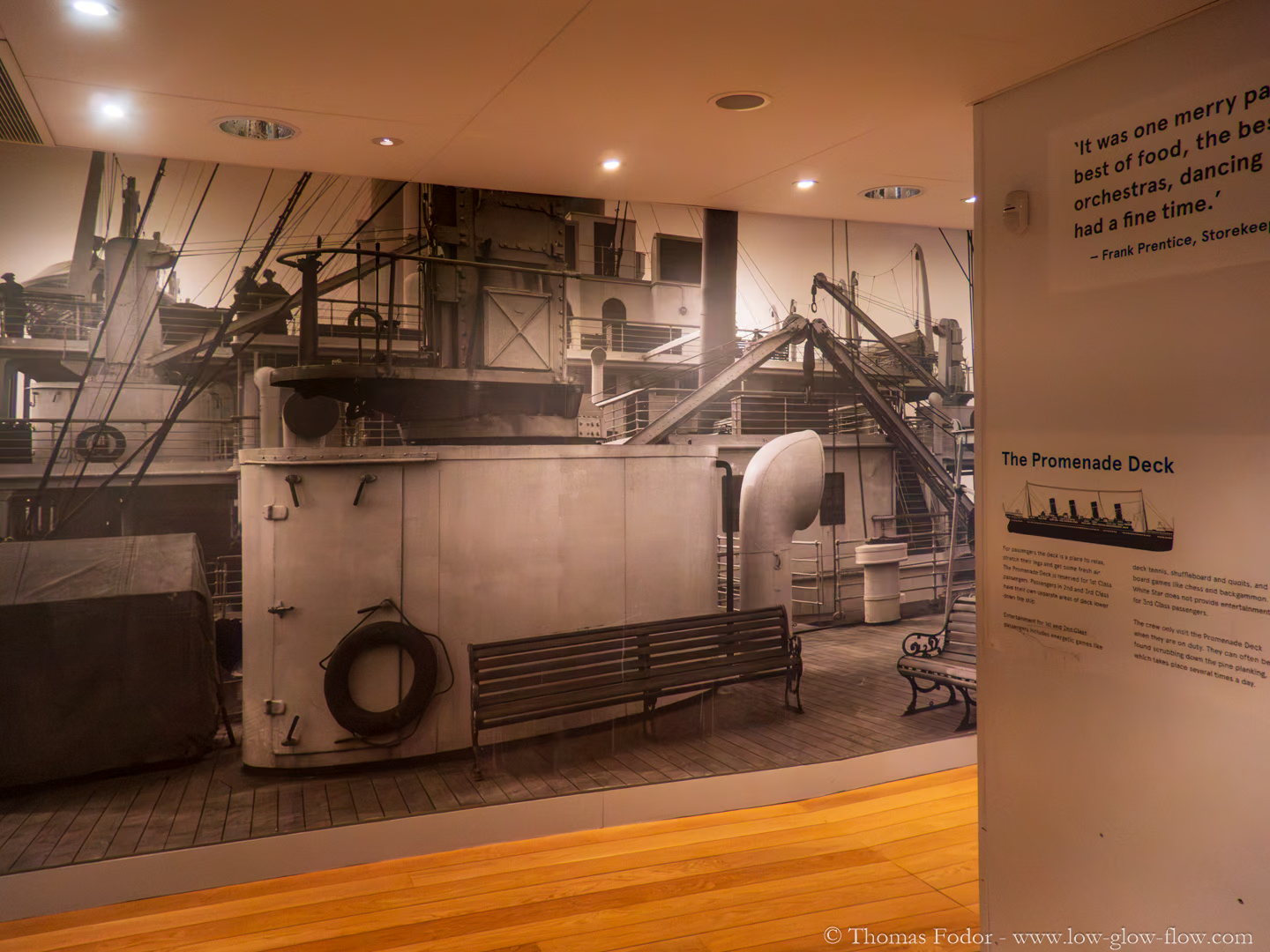
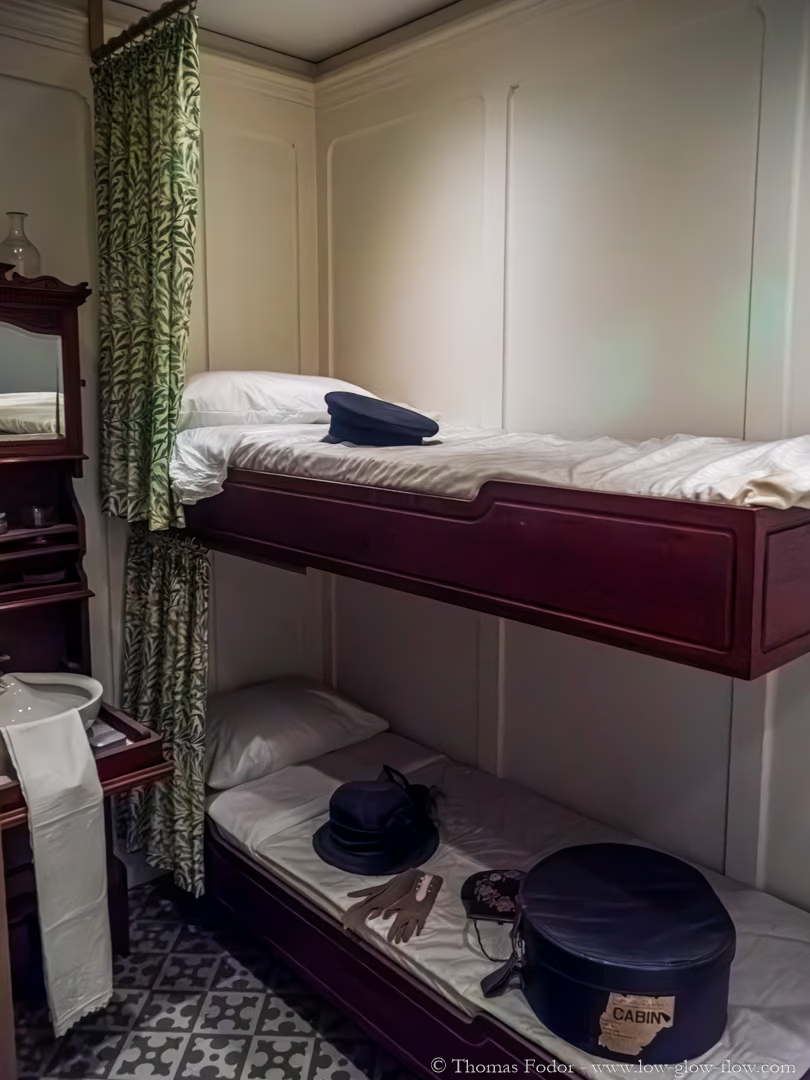
The exhibition’s website is not very informative, but everyone knows the story. The exhibitions feature over 200 objects and documents, neatly categorised and organised, showing the ship’s features and functions, from the lives of the crew to the time spent by first-class passengers.
The ship was built at the Harland and Wolff shipyard in Belfast, Northern Ireland, and arrived in Southampton on its first 12-hour trial voyage. The ship is also important to the city because nearly five hundred Southampton residents worked on it and lost their lives.
On her maiden voyage (from Southampton, England, to Cherbourg, France, then Queenstown, Ireland, and then to New York, United States), the ship struck an iceberg at 11:40 p.m. on Sunday, April 14, 1912, and broke in two on Monday, April 15, just over two and a half hours after the collision, sinking.
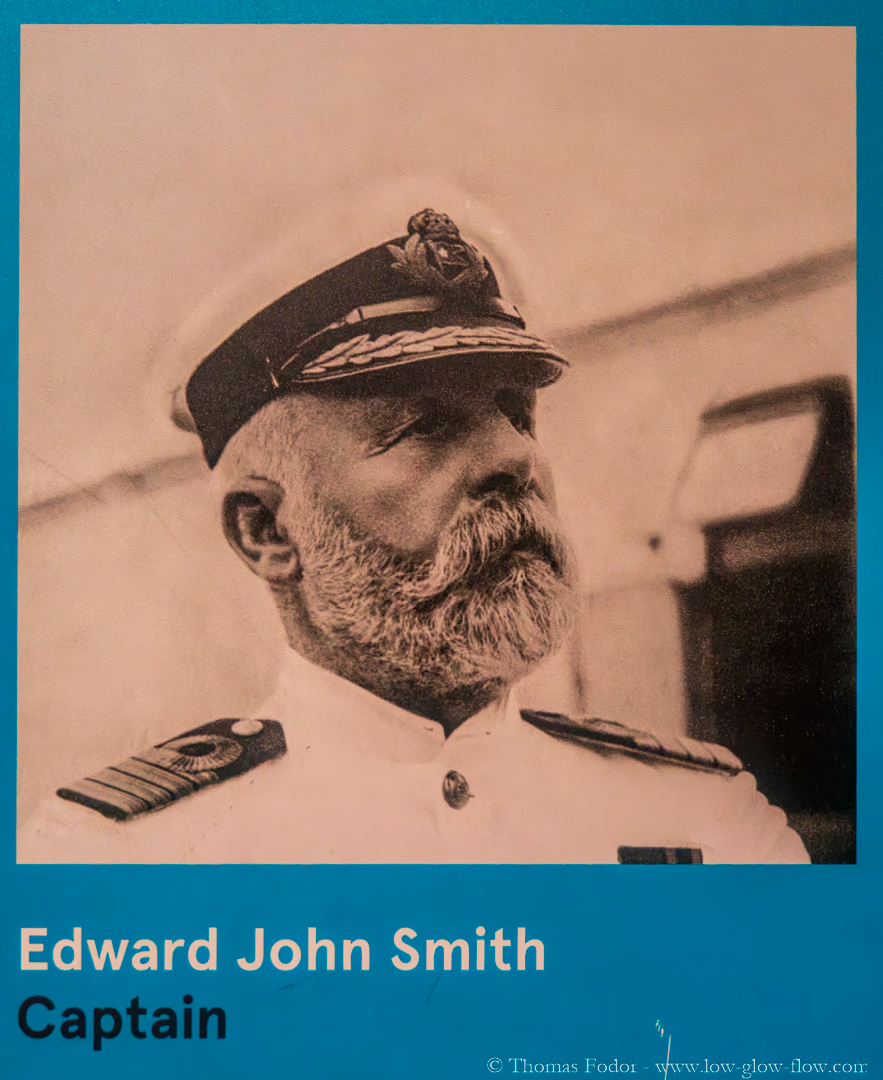
The ship’s captain was the best of his time, Edward John Smith, who had previously had an accident on the Olympic – which formed a class with the Titanic and the Britannic – and had then announced his retirement. He boarded the Titanic on April 10, 1912, on what would have been her last voyage, and unfortunately it was. Regardless of the accident, the Olympic was the only member of the trio that was not destroyed but scrapped.
The Titanic was originally designed to carry 64 lifeboats, but only sixteen were eventually carried. The reason given was that the ship was considered unsinkable and that the boats would have taken up too much space on the boat deck.
The regulations at the time did not require that there be room for every passenger in the lifeboats, as the regulations were based on displacement rather than the number of passengers. According to the rules of the British Chamber of Commerce, a 10,000-ton ship was required to carry 16 lifeboats, with a total capacity of 962 people.
The British ship’s doctor on the Carpathia, which rushed to the aid of the Titanic survivors, was Hungarian: Dr. Árpád Lengyel. He received a medal of gratitude from the rescued passengers, and his grave is located in the Kerepesi Cemetery in Budapest. At the time of the accident, Hungarian sailor Gusztáv Ráth was also serving on board the Carpathia.
The only confirmed passenger of Hungarian origin on the Titanic was Leopold Weisz, who was born in Veszprém as Lipót Weisz and later left the country. He was travelling with his wife; she survived the tragedy, but Weisz was lost at sea. His grave is in the Baron de Hirsch Cemetery in Canada.
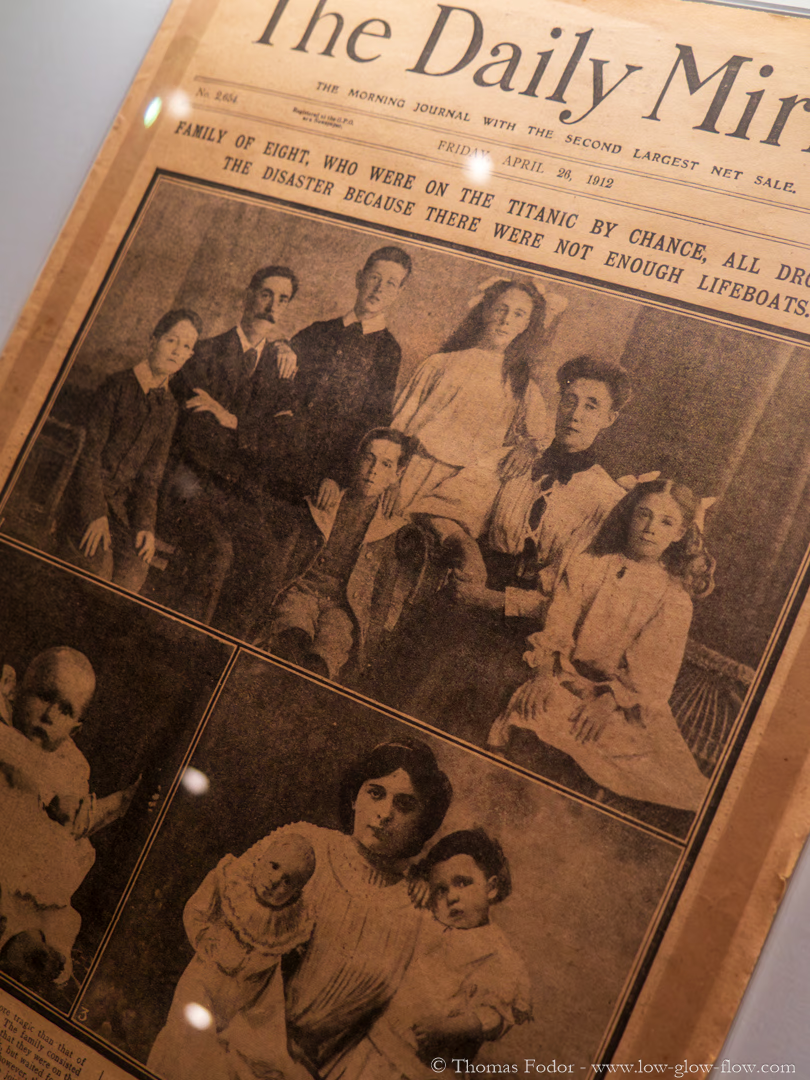
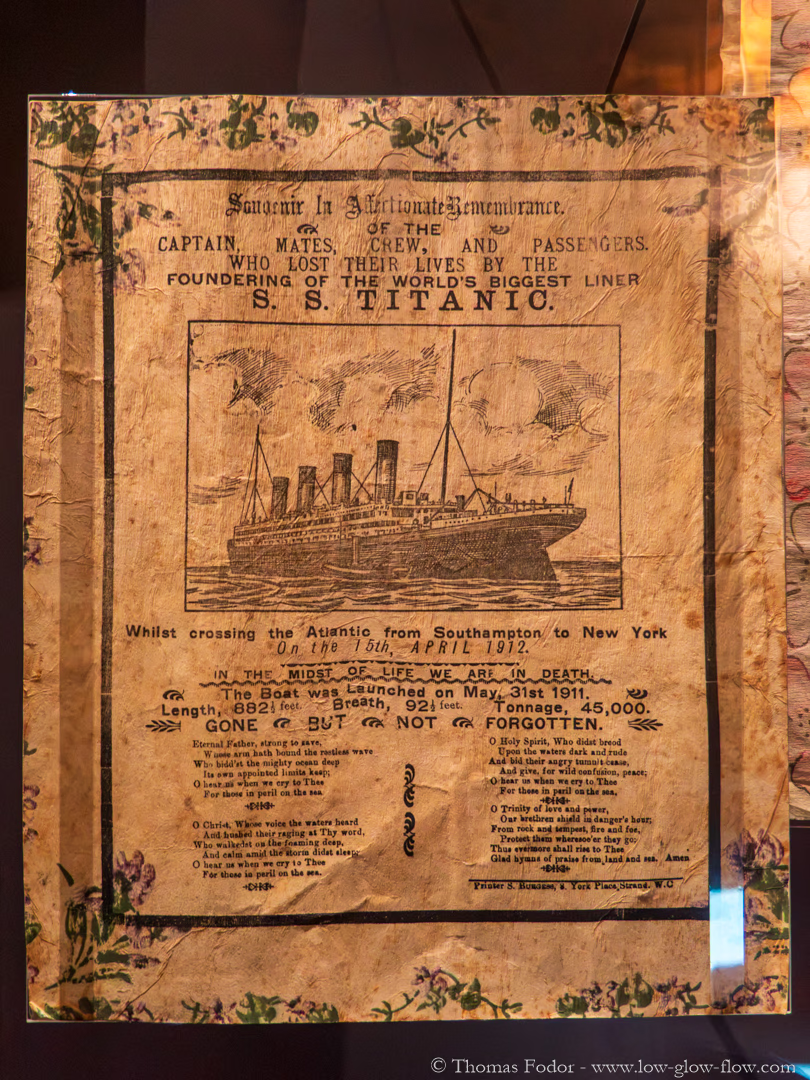
The last room of the exhibition is a stylised courtroom, where old newspapers reporting on the disaster are displayed, and an audio play presents the investigation in the United States, citing witness statements. After this, safety measures were introduced, such as lifeboats for all passengers, mandatory lifeboat drills, proper crew training, radio telegraph regulation, improved ship design and safety standards.
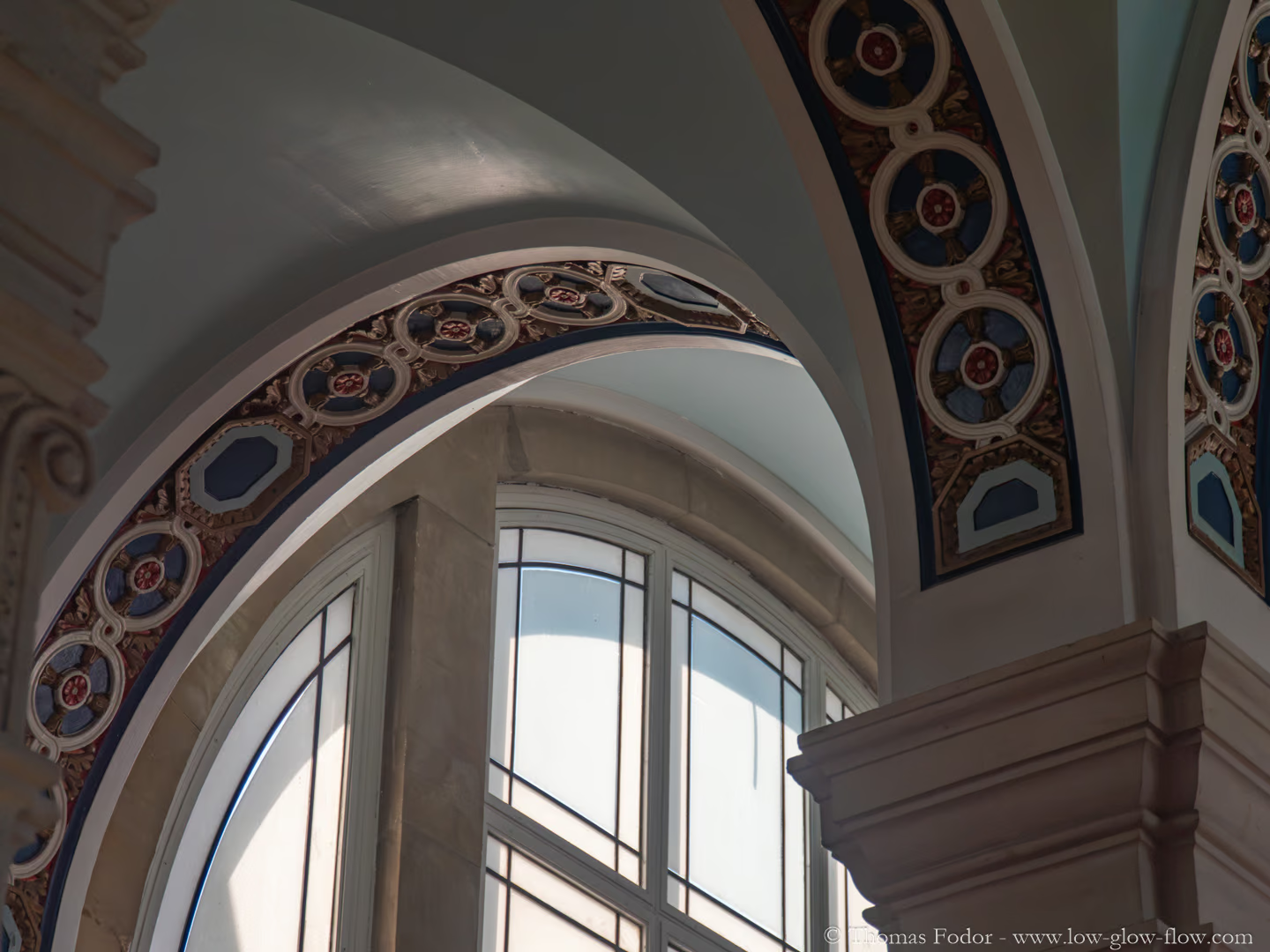
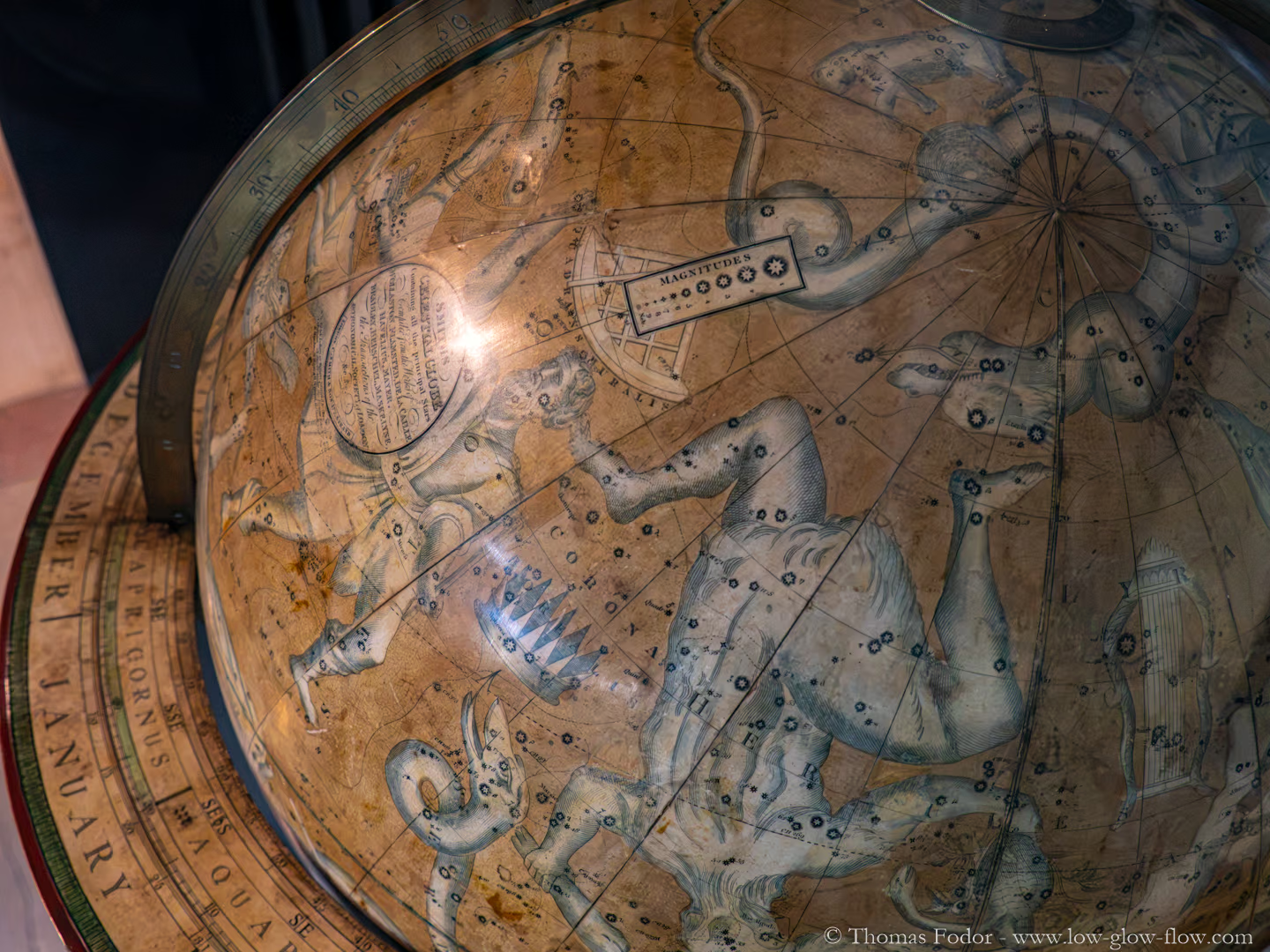
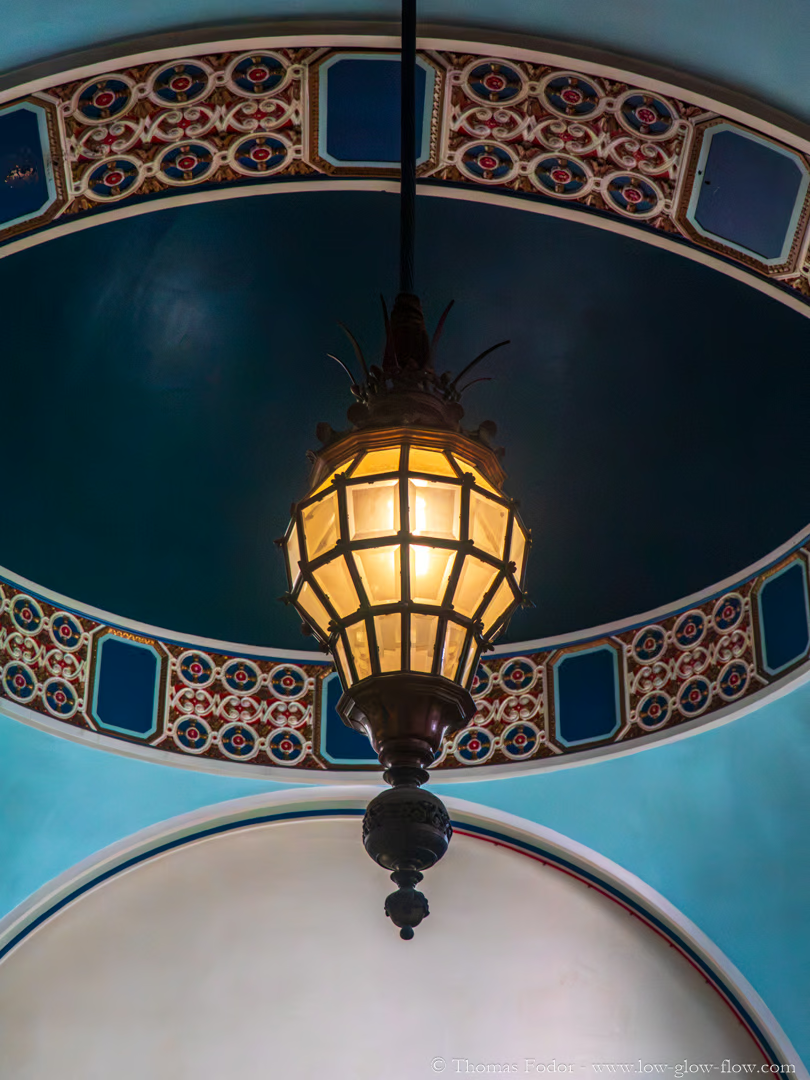
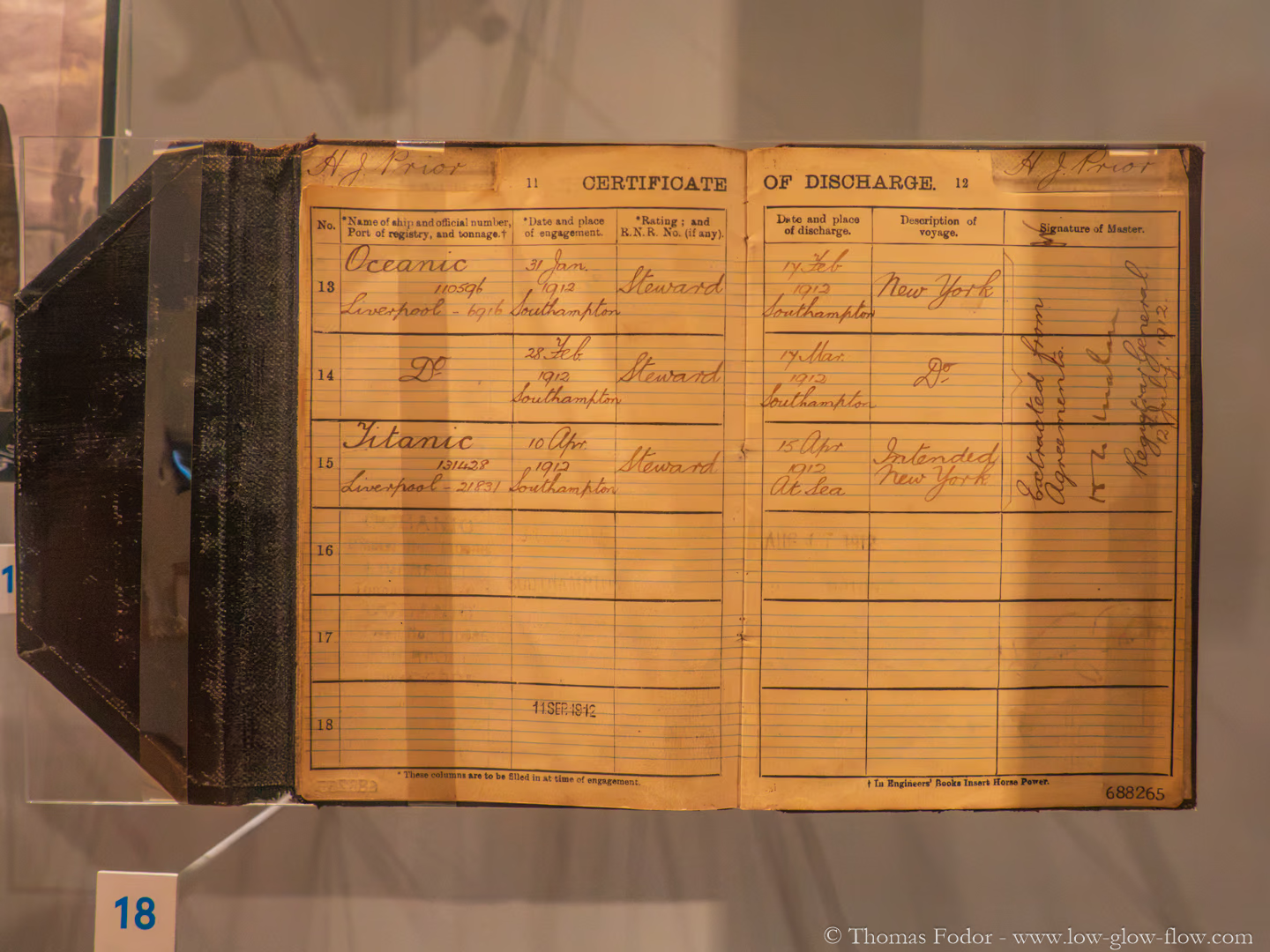
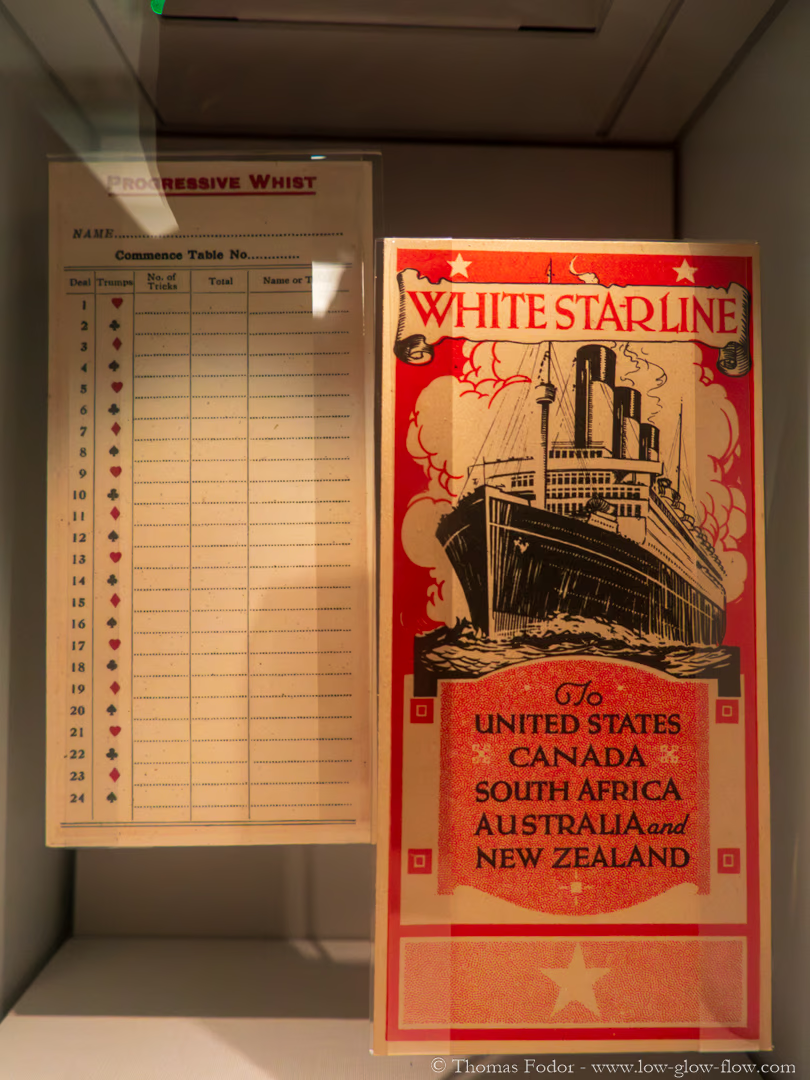
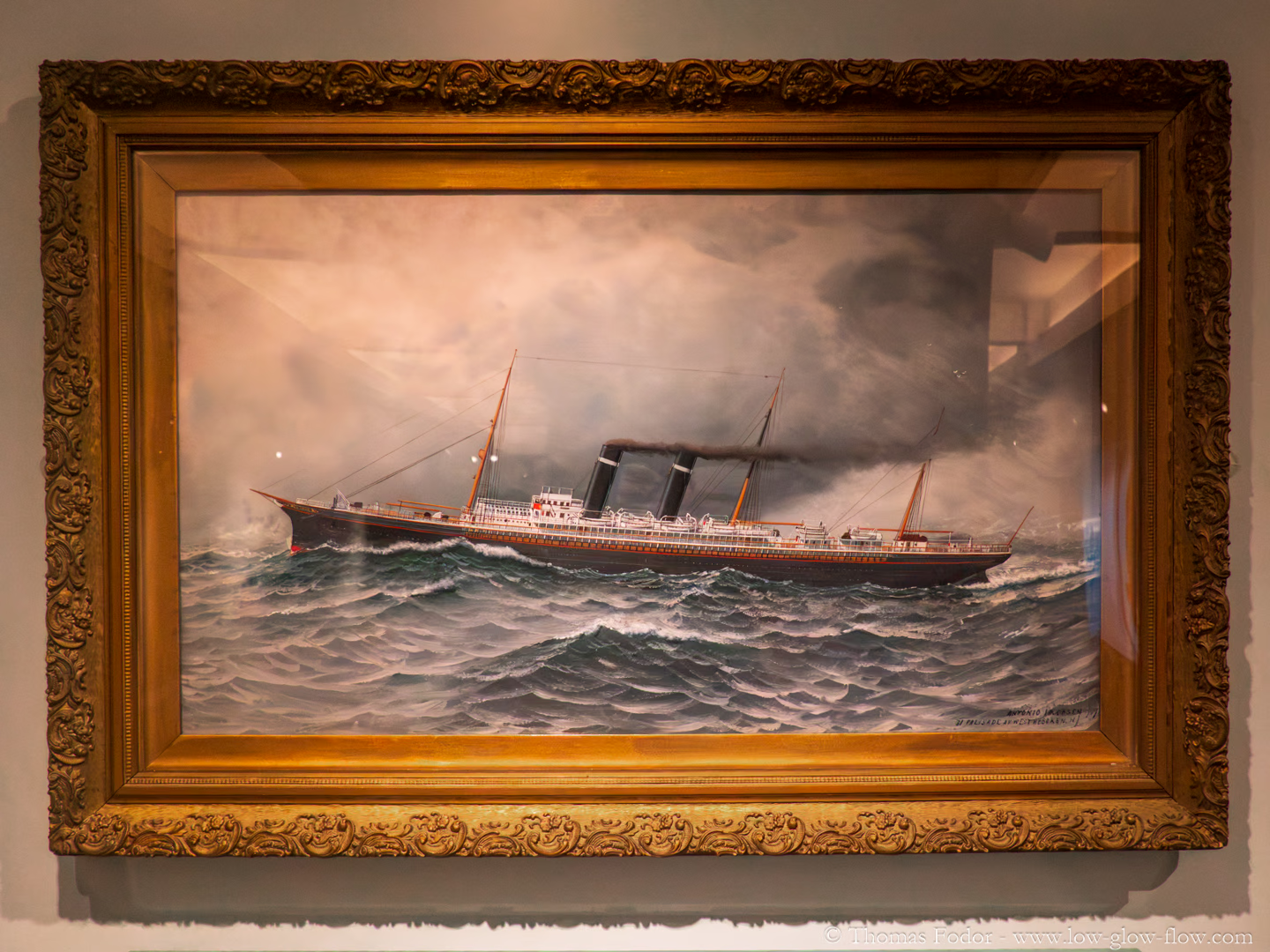
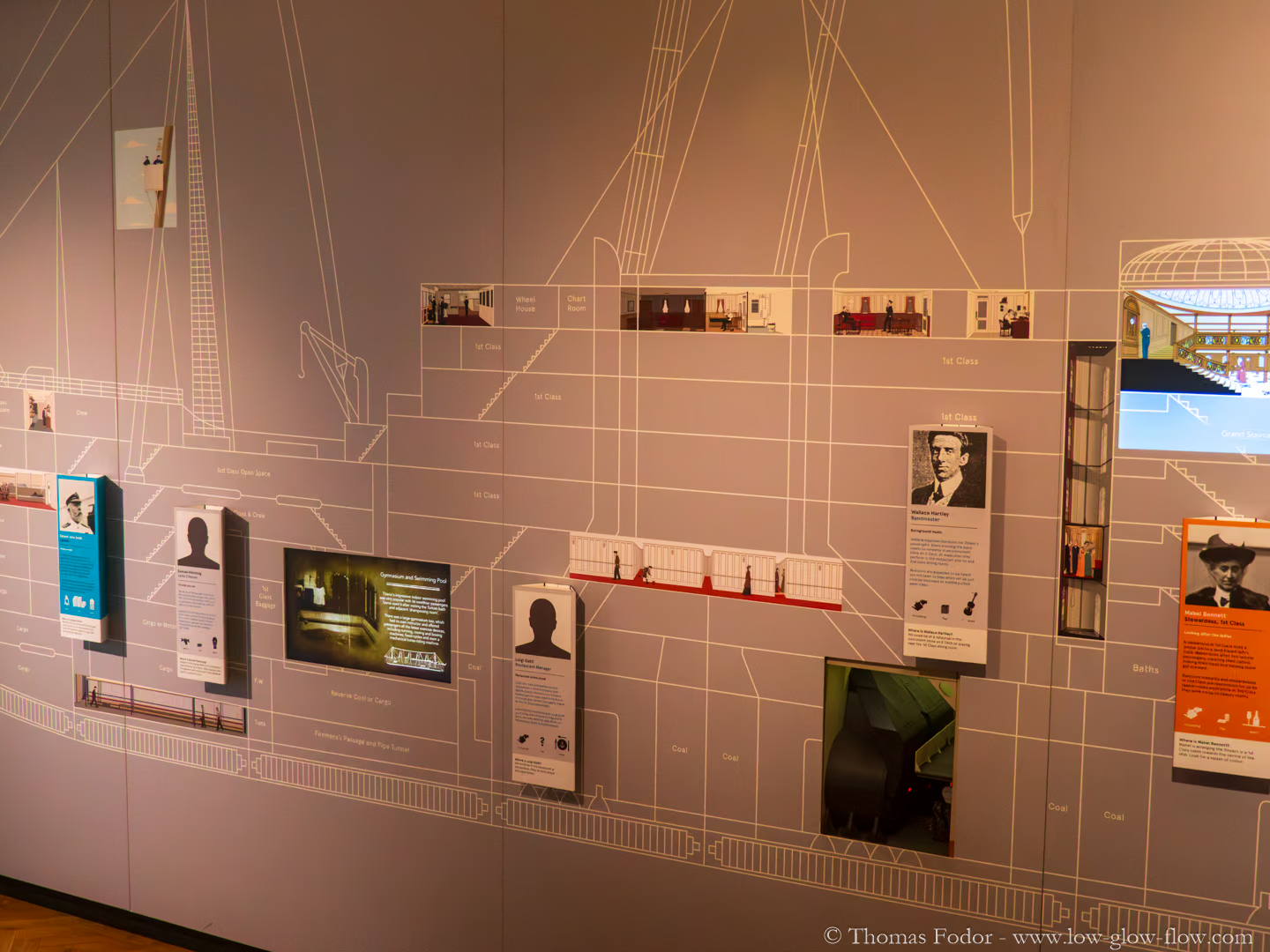


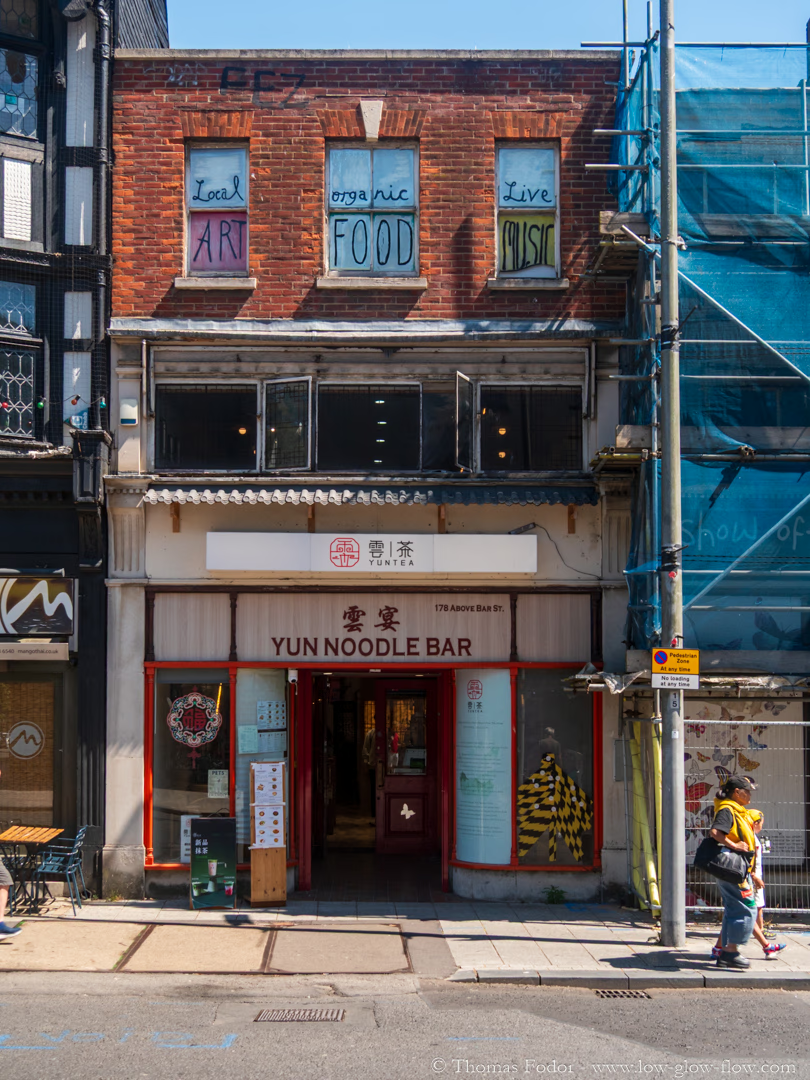
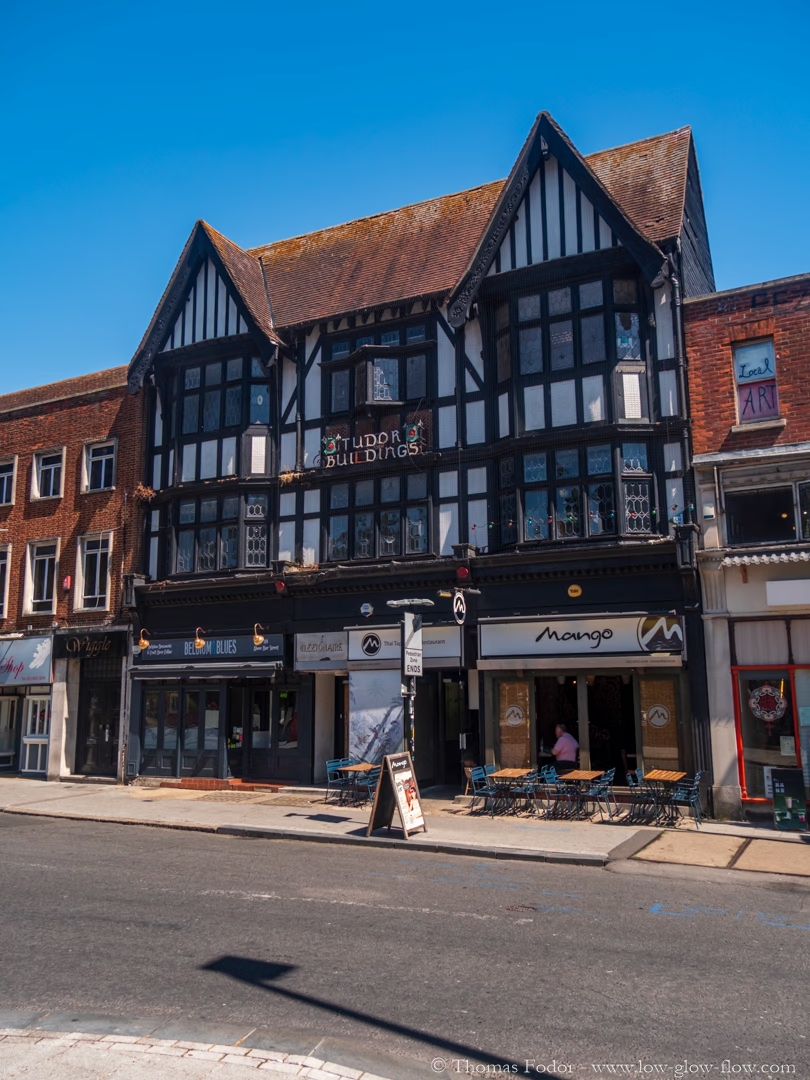
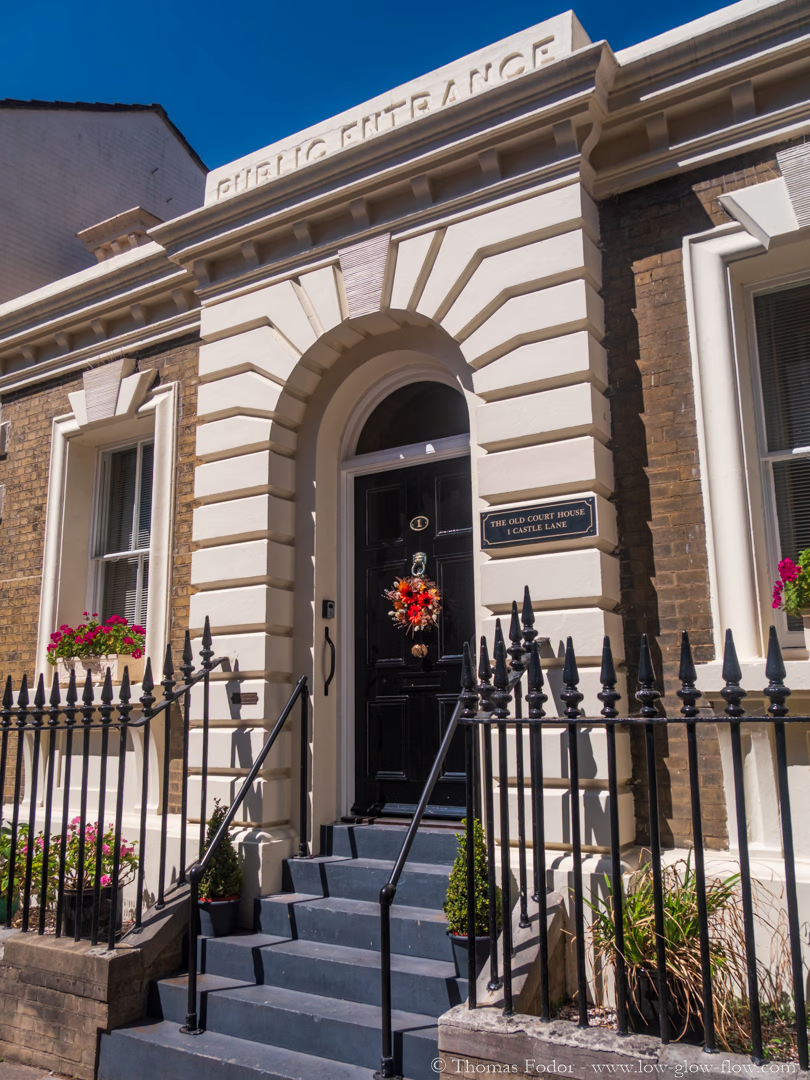
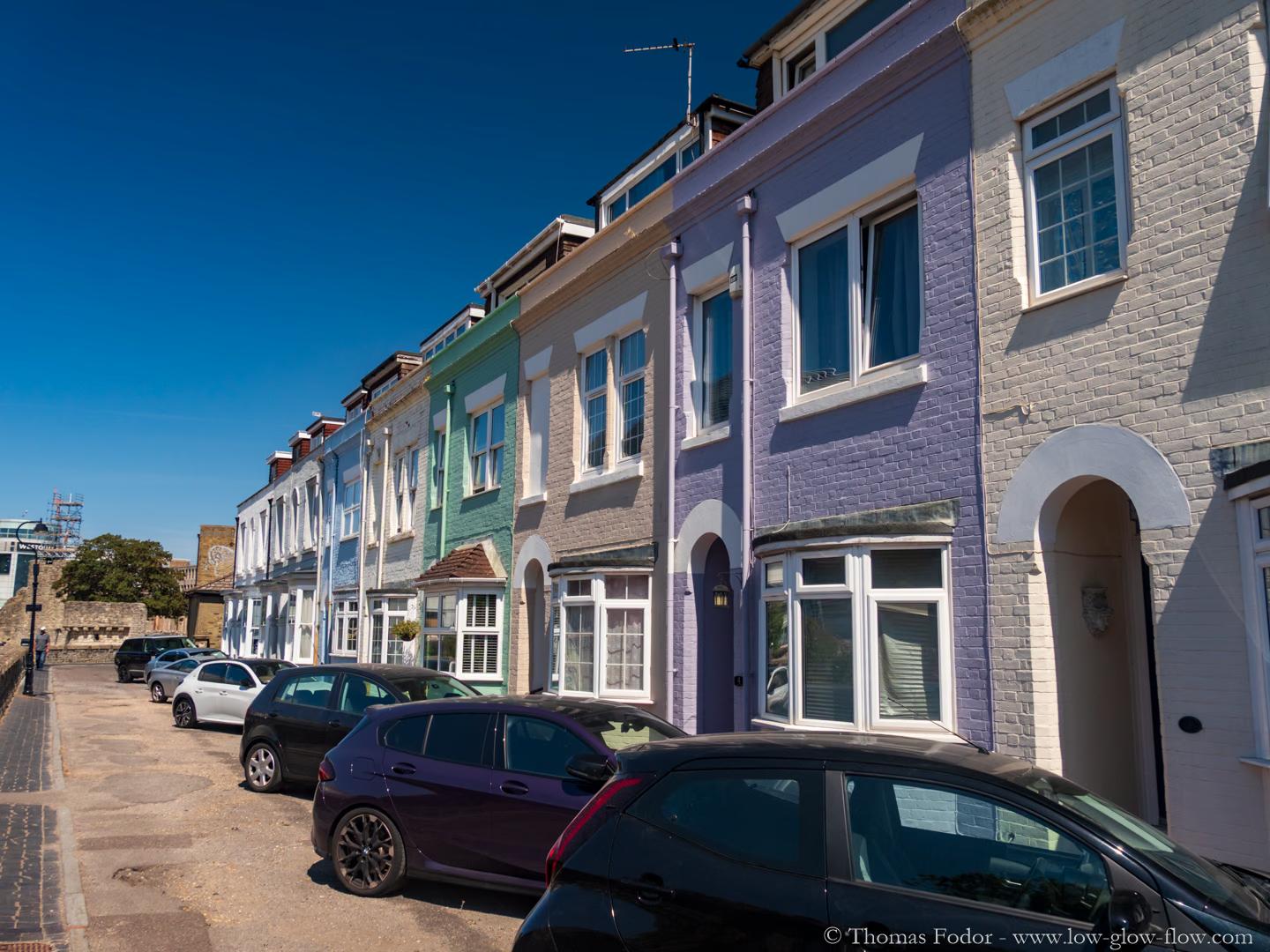
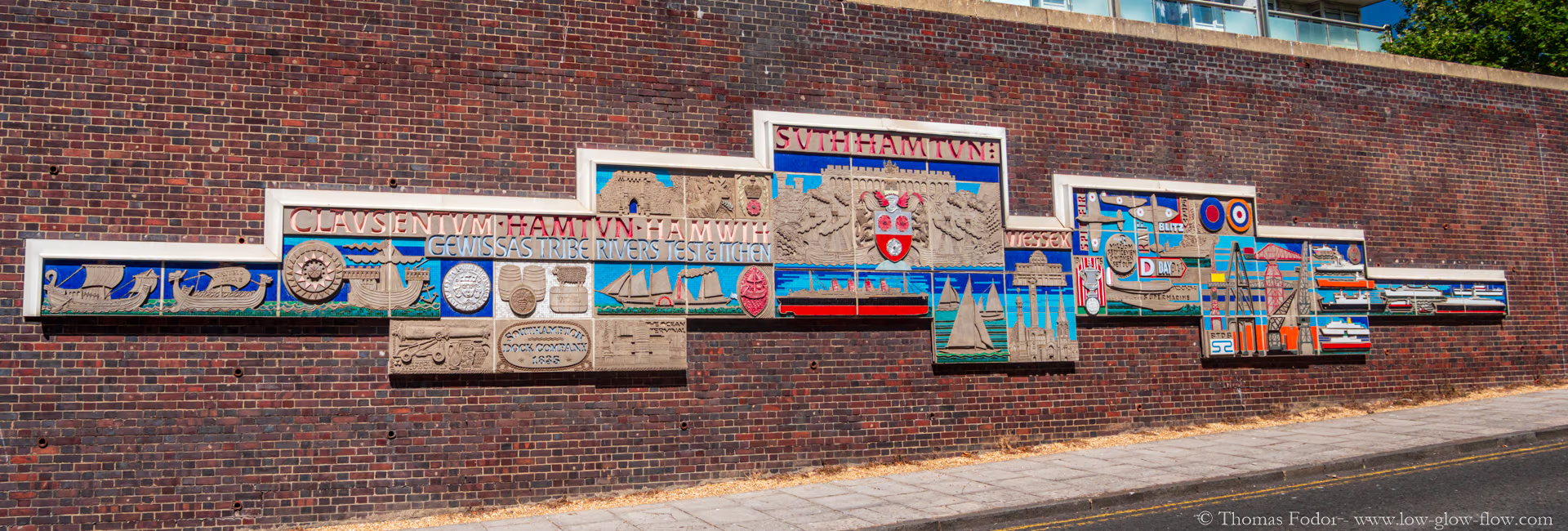
The historic quarter of the city is beautiful. But unfortunately all the attractions were closed. Apparently they don’t like Fridays…
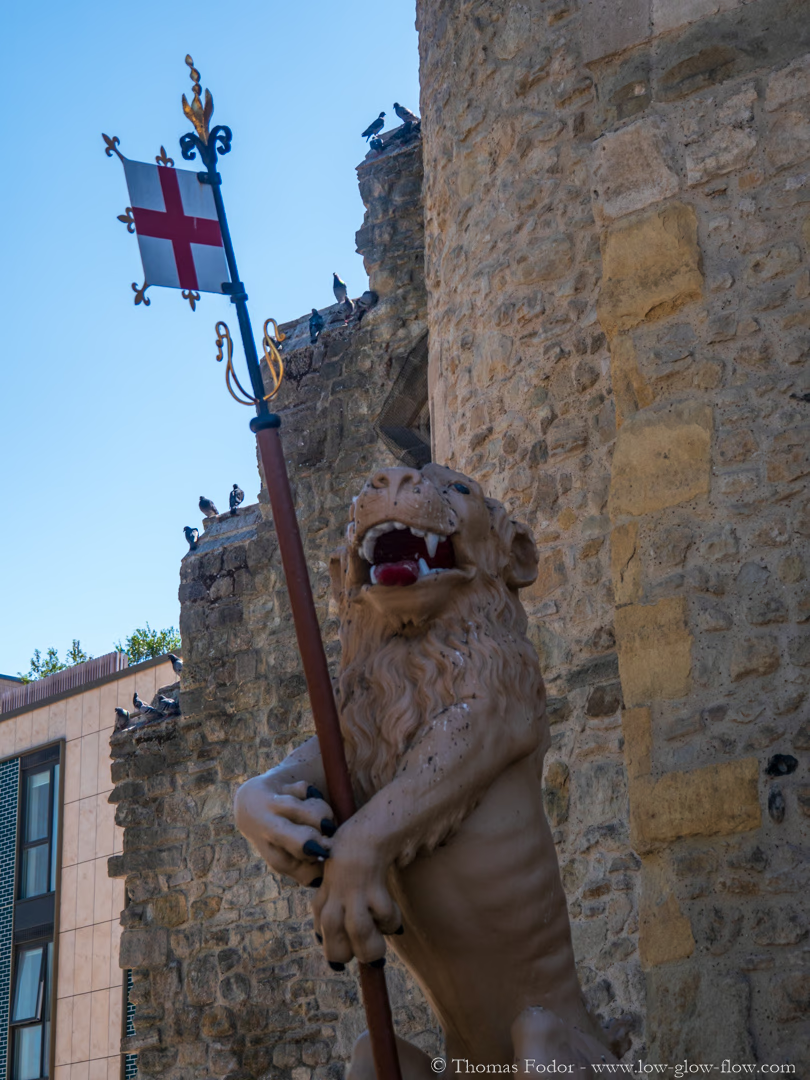
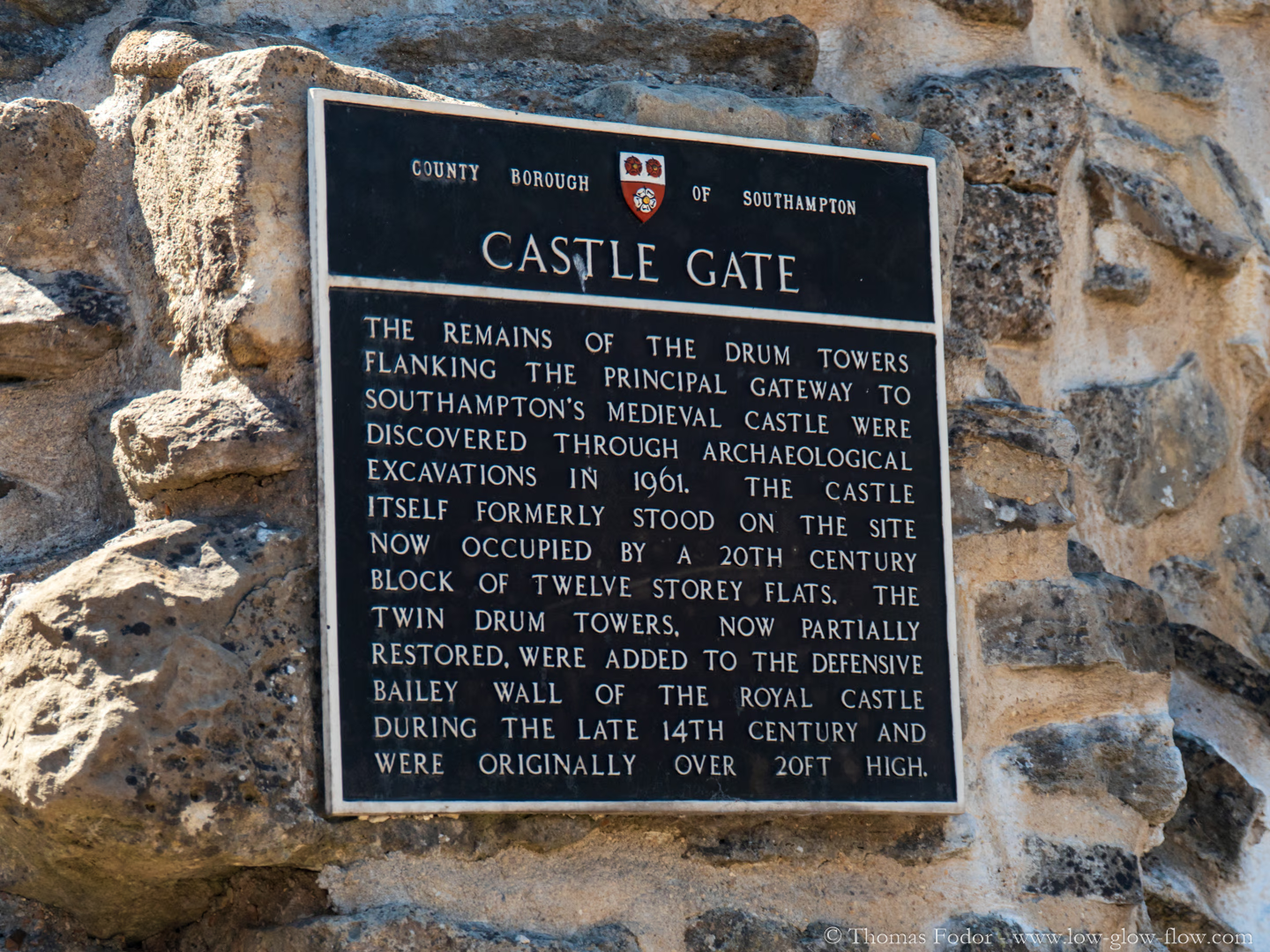
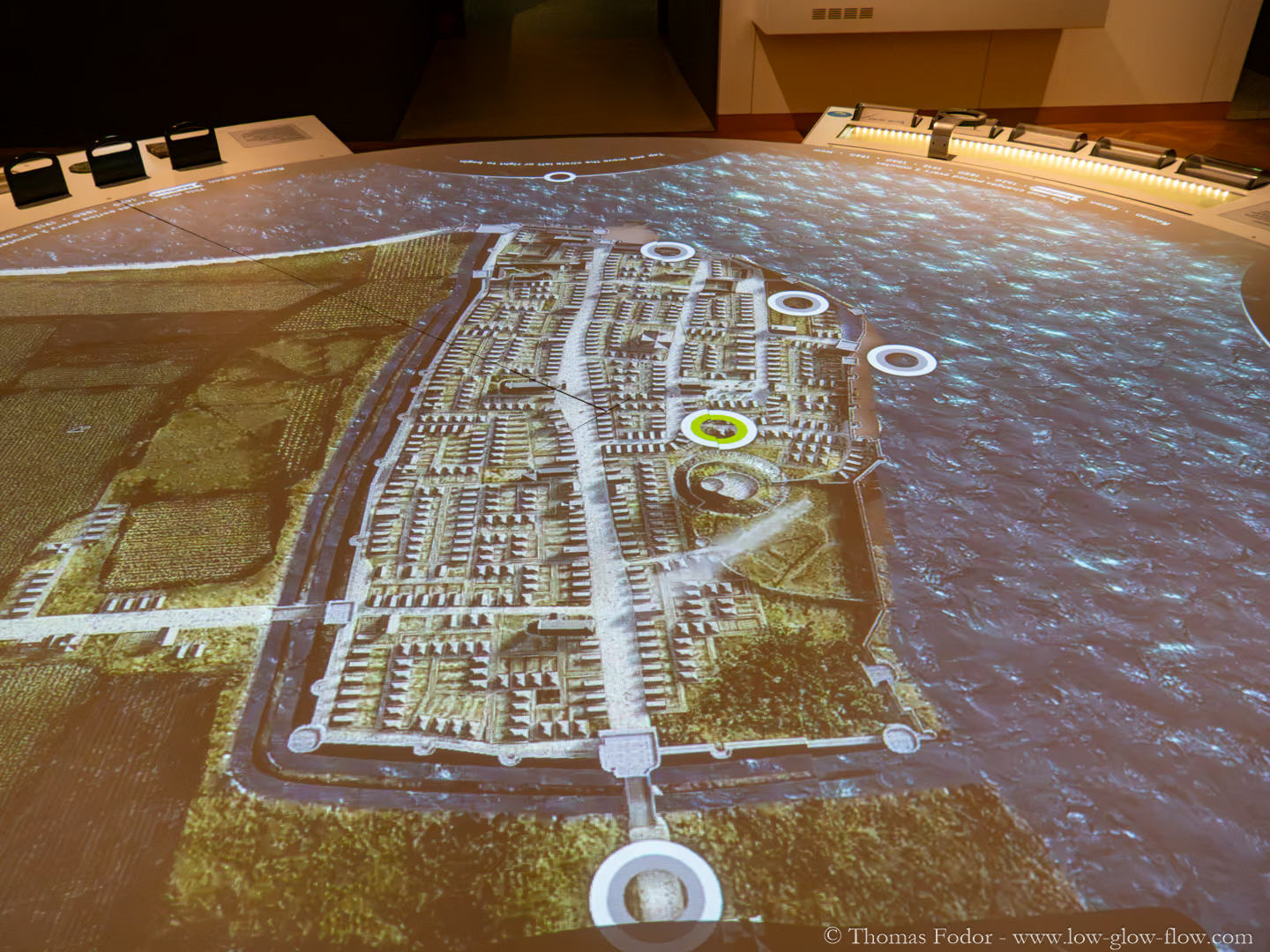
The city walls, built after the French raids in the 14th century, are among the best preserved walls in England and have been preserved all the way to the west side of the city.
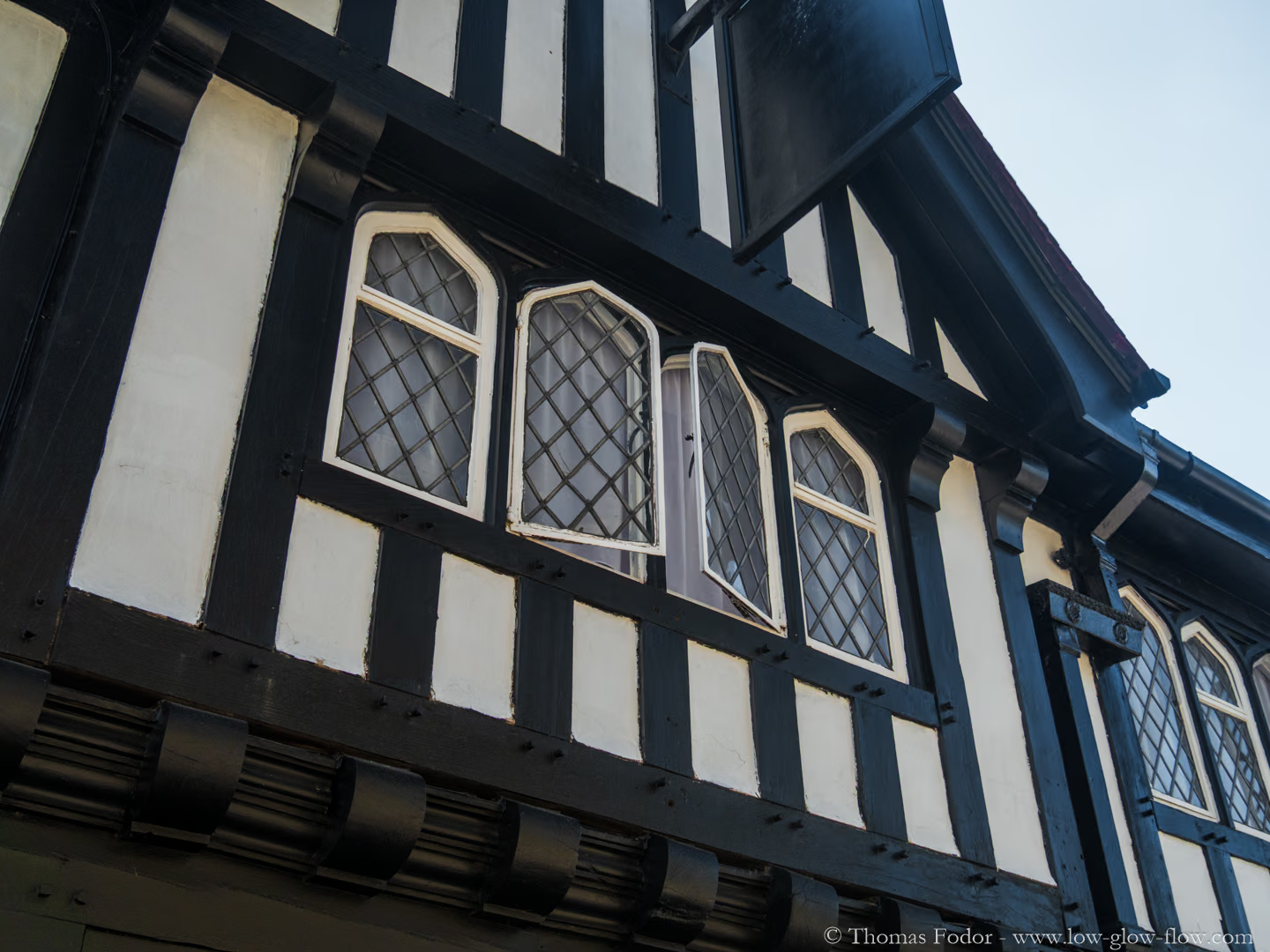
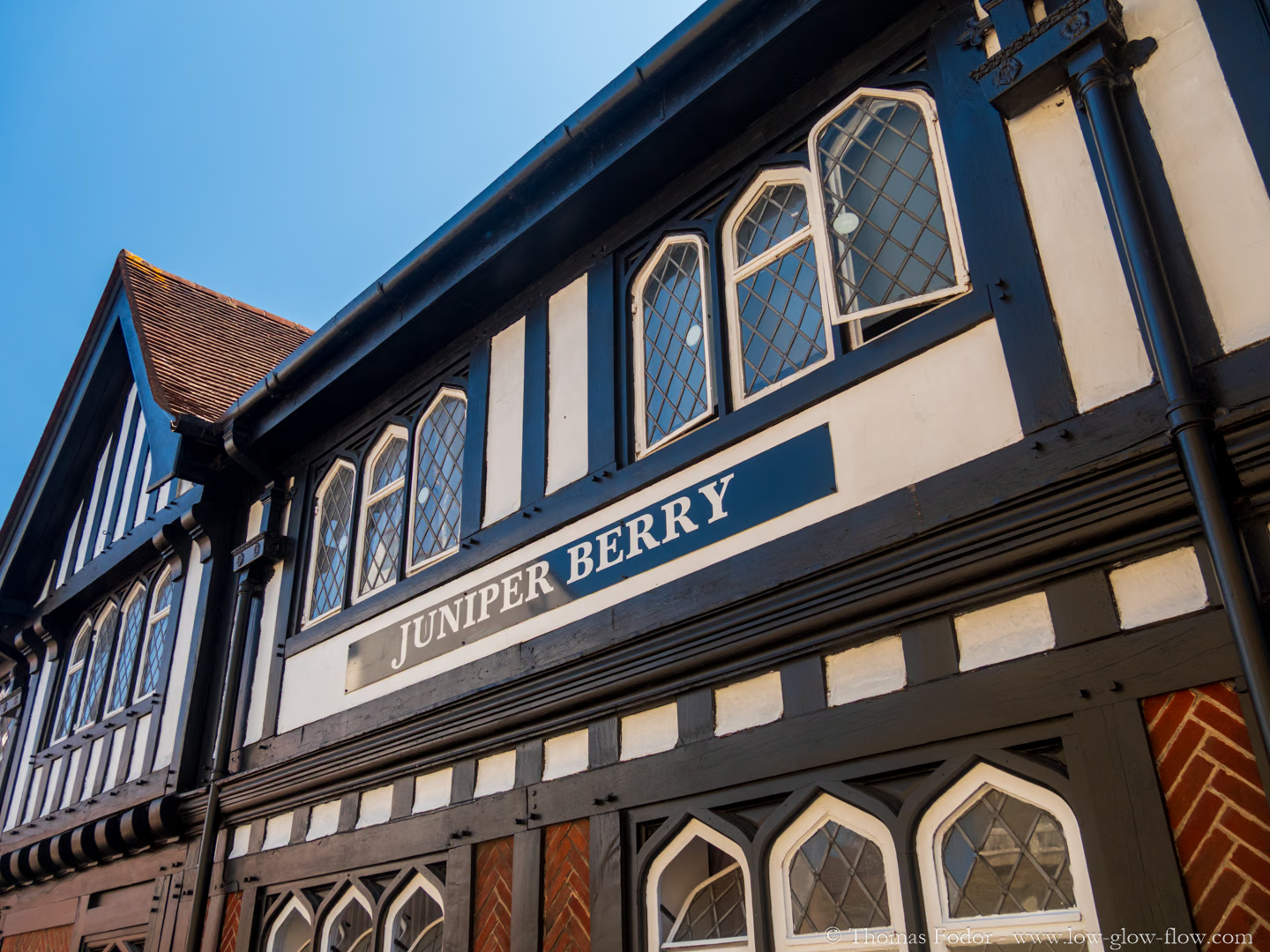
Southampton’s Old Town is a rare corner of English history, where medieval commerce, Tudor domestic life and the city’s later maritime identity coexist within a few easy-to-navigate streets.
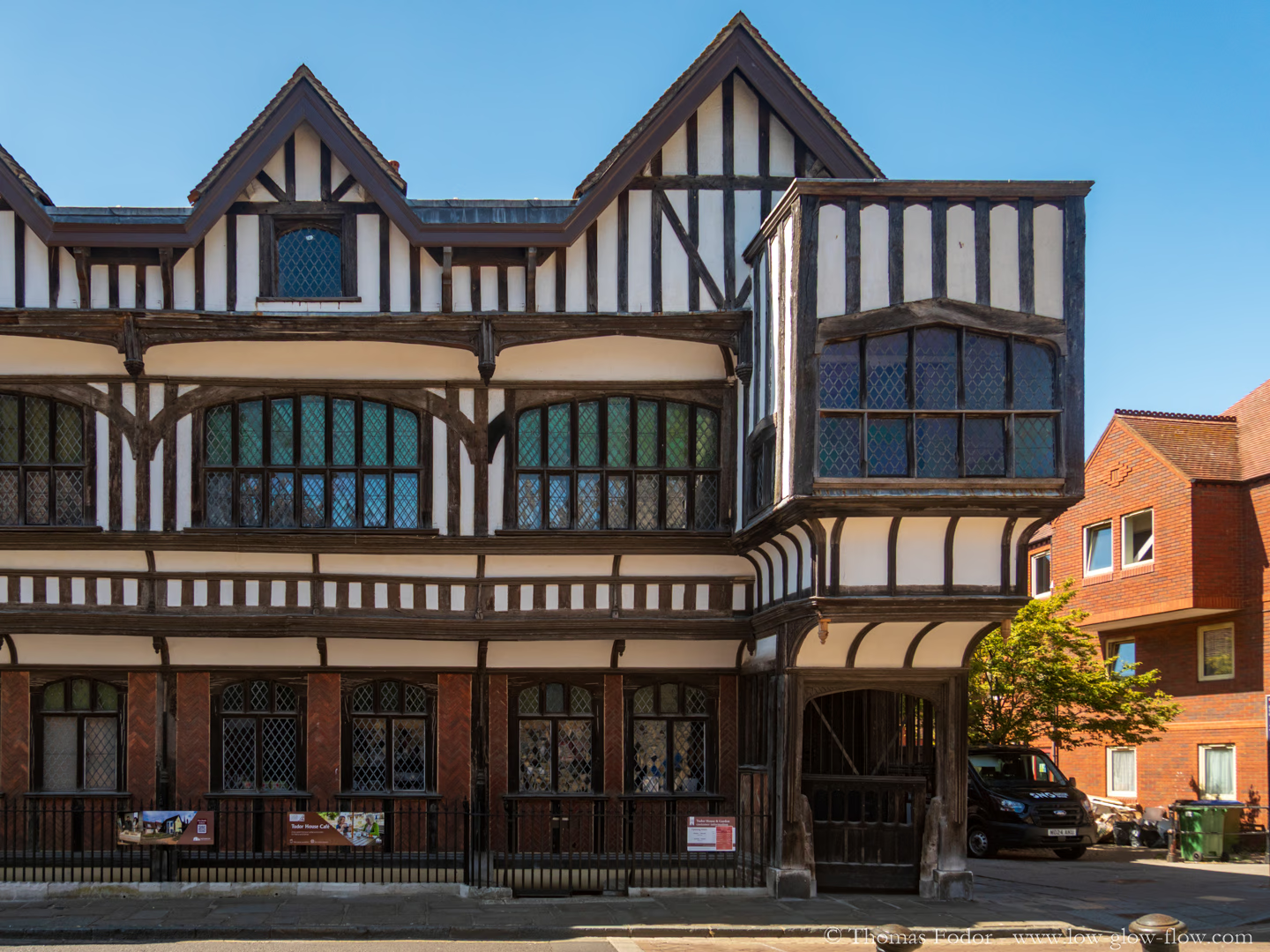
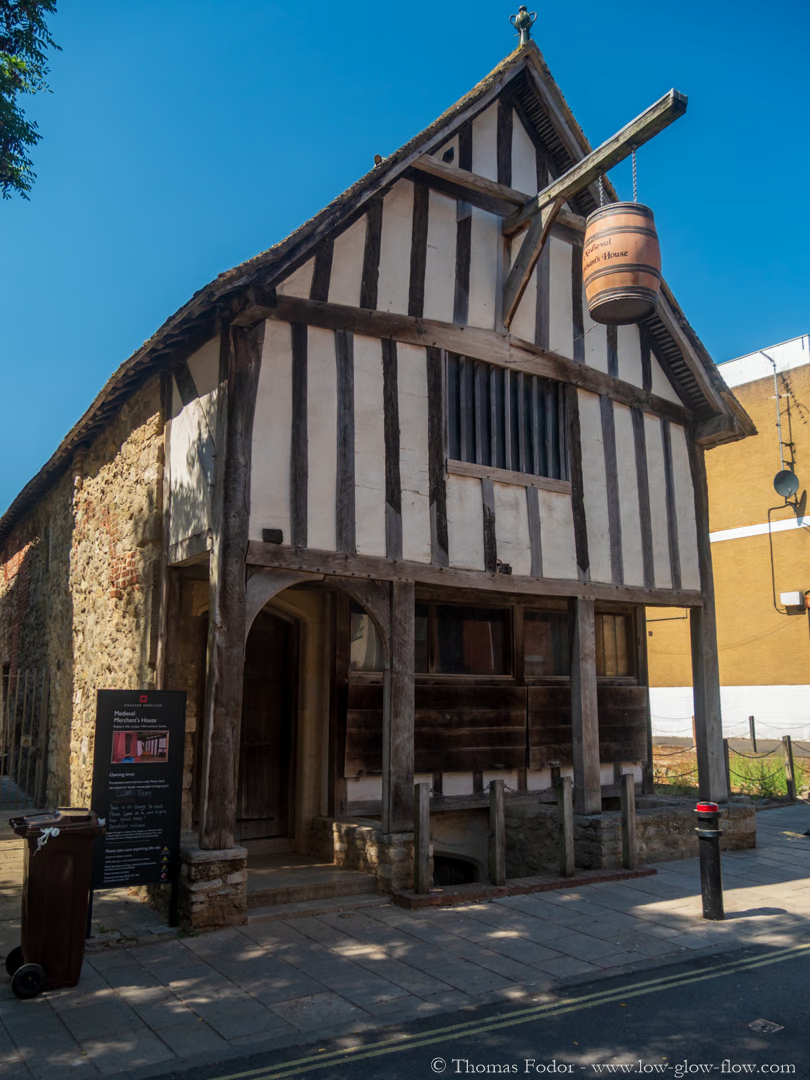
At its heart are two remarkable buildings: Tudor House and Gardens, the city’s oldest museum, and the medieval Merchants’ House, a beautifully preserved example of 13th-century town architecture.
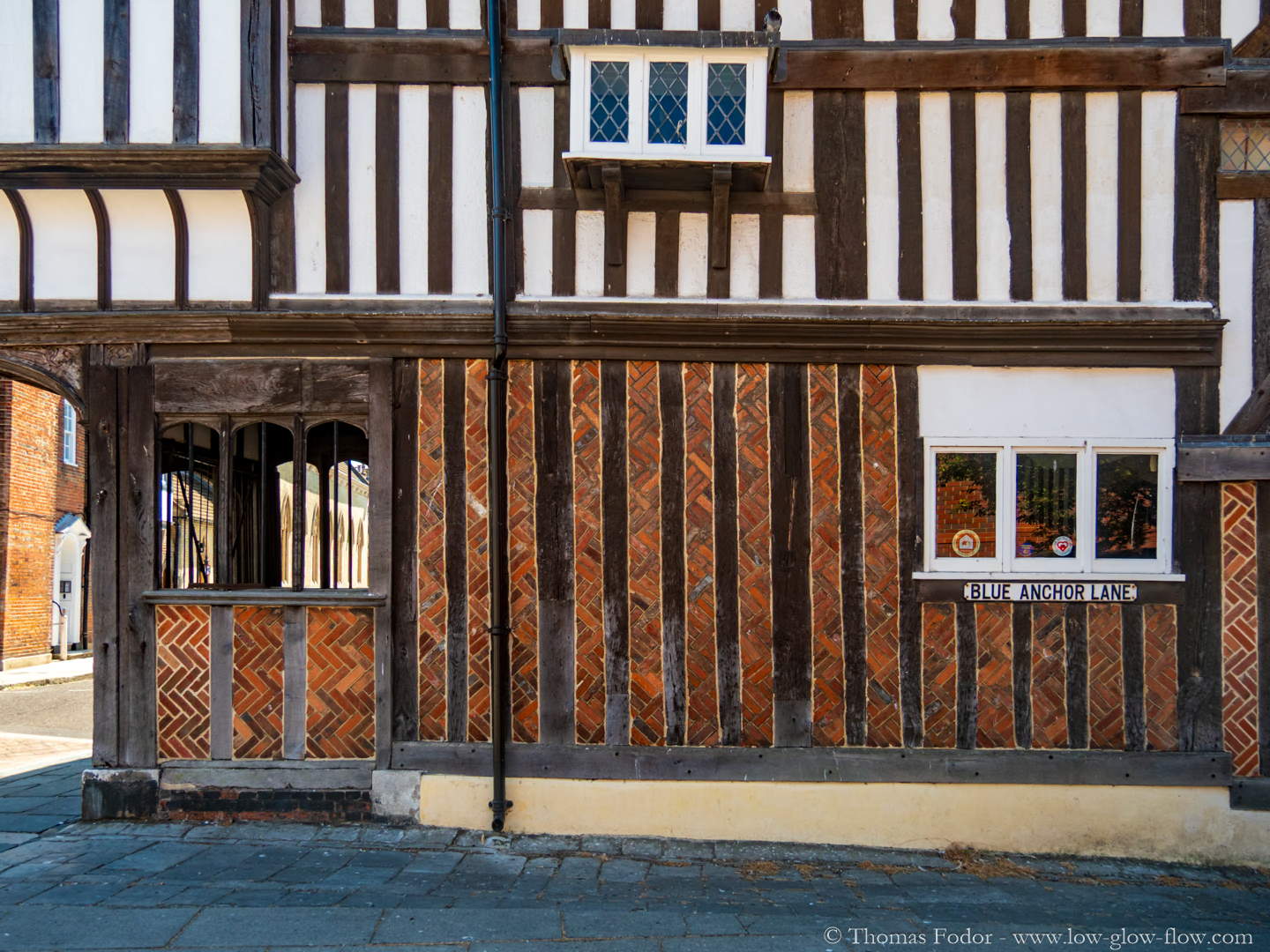
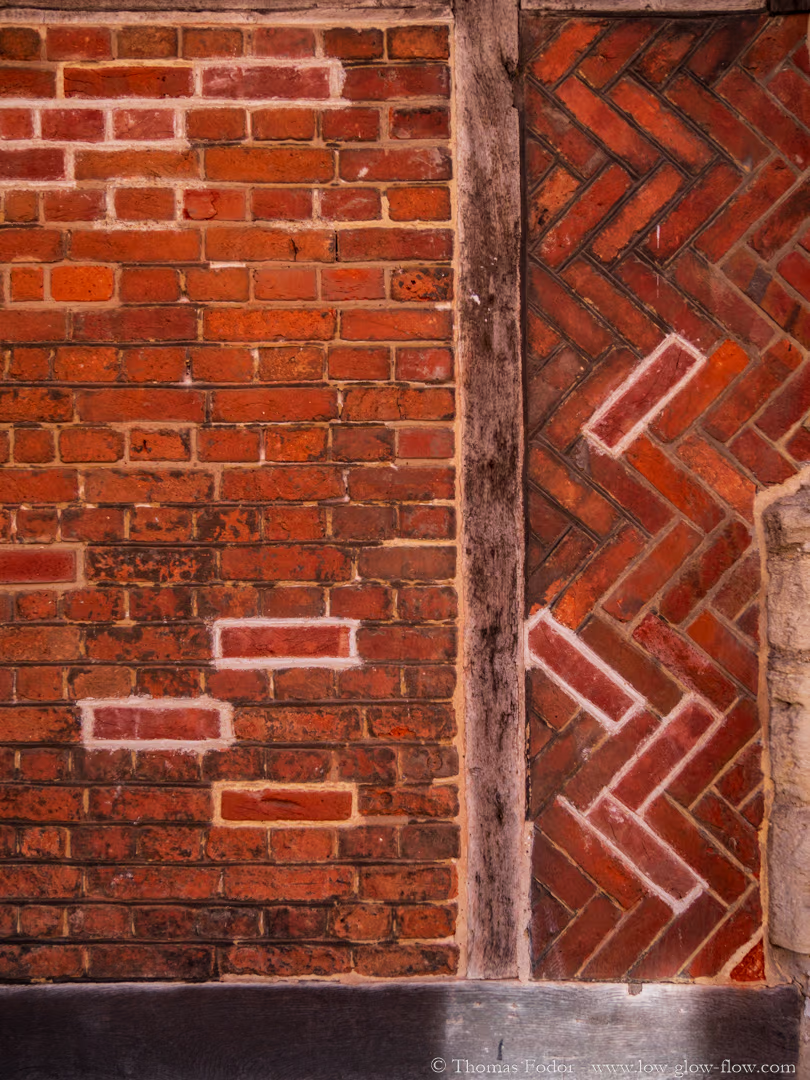
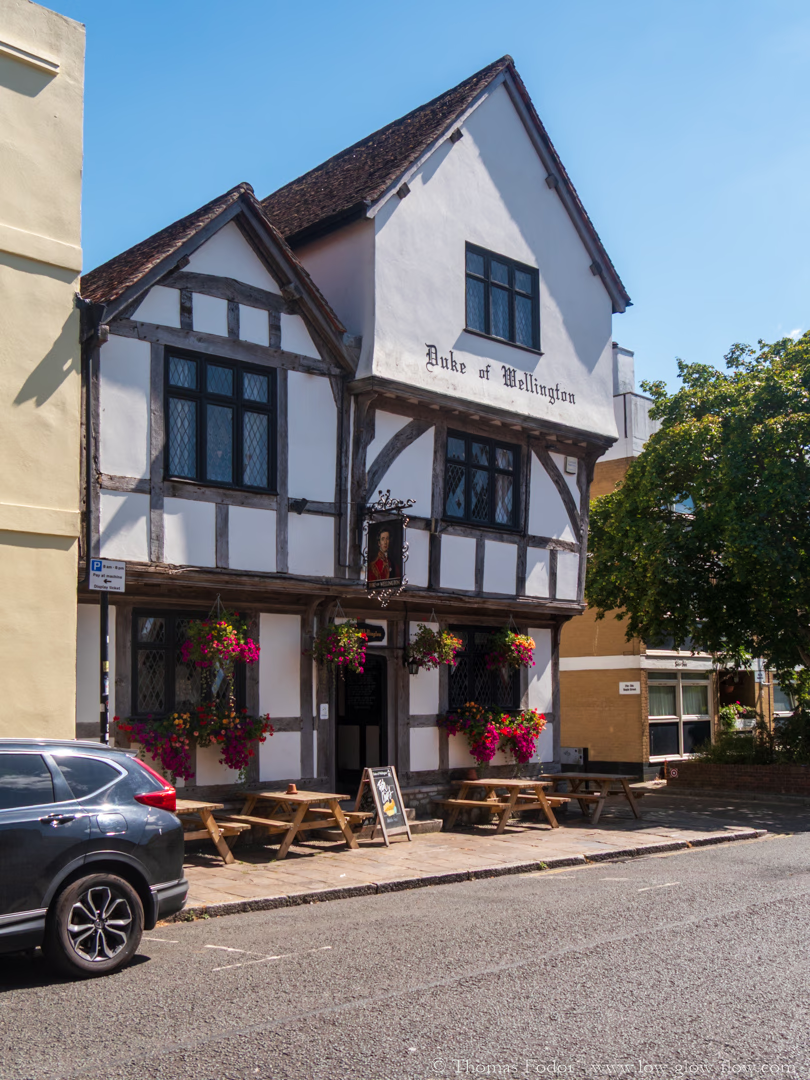
Tudor House and Gardens is Southampton’s most important historic building. Its timber-framed façade dates from the late 15th century, but the site’s history dates back more than 800 years.
Inside, visitors can experience centuries of domestic life: Tudor kitchens, Victorian rooms, war stories and modern interactive exhibitions. The medieval walled garden offers a quiet retreat in the middle of the Old Town.
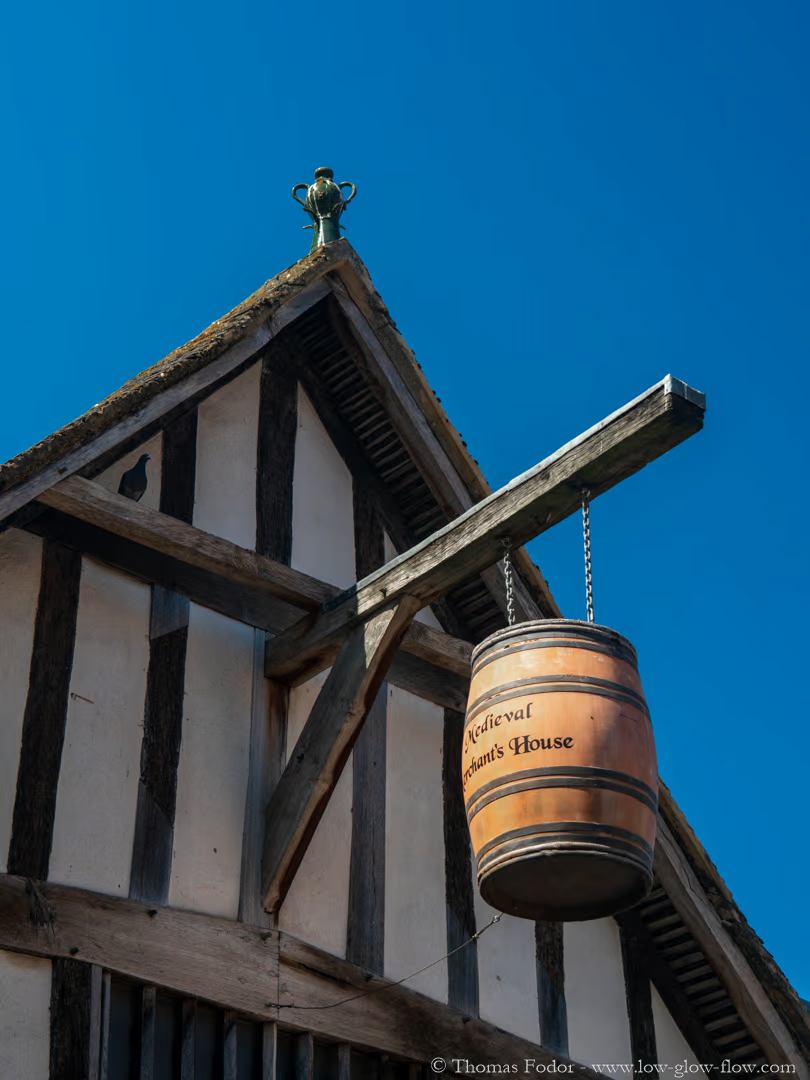
A short walk away is the medieval Merchant’s House, built around 1290 and one of the best-preserved medieval town houses in England. It was probably owned by a wealthy wine merchant and the layout of the house reflects the commercial life of the time: a shop facing the street, cellars and living quarters above.